
Not long ago, a palpable sense of dread known as the “SaaSpocalypse” permeated the tech industry, a narrative predicting that generative artificial intelligence would automate creative and technical tasks so effectively that it would render traditional Software-as-a-Service platforms obsolete. This vision of AI as a disruptive replacement, however, has collided with a powerful and altogether different reality. Instead of destroying the SaaS model, AI integration has emerged as its most significant growth catalyst, transforming potential existential threats into unprecedented opportunities. The ability to strategically embed AI into core workflows is no longer a luxury but a pivotal, make-or-break moment for the entire industry. This analysis dissects the market data fueling this transformation, showcases real-world examples of successful integration, analyzes future trajectories, and provides a conclusive outlook on the new SaaS paradigm.
The AI Powered SaaS Boom: Evidence and Application
The initial fear that AI would cannibalize the user bases of established software platforms is being systematically dismantled by hard data. In its place, a new trend is solidifying: AI integration is not just a defensive maneuver but an offensive strategy that accelerates growth, deepens user engagement, and expands market share. Companies that have embraced this shift are outperforming expectations, demonstrating that the fusion of AI and SaaS creates a product far more valuable than the sum of its parts. This boom is evident not only in financial reports but also in the very way users interact with software, transforming specialized tools into collaborative hubs for entire organizations.
By the Numbers: Charting the AI Integration Surge
The financial performance of SaaS companies provides the most compelling evidence of AI’s positive impact. Both AI-native startups and traditional platforms that have successfully integrated AI are reporting accelerated revenue growth that defies earlier, more pessimistic predictions. For instance, some leading platforms have posted year-over-year revenue growth as high as 40%, significantly outpacing analyst expectations and signaling strong market confidence. This financial upswing is a direct reflection of the rapid adoption of AI-powered features by a growing user base.
This trend is further illuminated by user engagement metrics. The introduction of generative AI tools within existing platforms has led to explosive growth in adoption rates. Prototyping tools like “Figma Make” saw their weekly active users surge by over 70% in a single quarter following the launch of AI capabilities. Looking ahead, market reports project a massive expansion for the AI-infused SaaS sector, with an increasing percentage of enterprise software budgets being specifically allocated to AI-driven tools. This shift in spending indicates that businesses view AI not as an experiment but as a core component of their technology stack.
Pioneers in Practice: From Concept to Code
Figma’s strategic integration with Anthropic’s Claude AI serves as a prime case study in turning a perceived threat into a core advantage. The resulting “Code to Canvas” feature allows developers to generate user interface components with simple text prompts, which can then be imported into Figma as fully editable design files. This masterstroke positions Figma not as a tool that AI bypasses, but as the essential visual workbench for AI-generated content. The AI acts as an accelerator, but the human-led refinement, collaboration, and finalization all happen within the Figma ecosystem, reinforcing its indispensability.
This model of AI augmentation is being replicated across the industry, demonstrating the breadth of its application. Salesforce’s Einstein for CRM supercharges sales and marketing workflows with predictive insights, Adobe’s Firefly is revolutionizing creative suites with ethically sourced generative imagery, and Microsoft’s Copilot is embedding AI assistance across its entire suite of productivity tools. These integrations are not merely adding features; they are fundamentally expanding the total addressable market. For example, nearly 60% of new files in some AI-enhanced design tools are now created by non-designers like product managers and developers, transforming a niche application into a central collaboration platform for entire product teams.
Insights from the Industry Frontline: Expert Perspectives
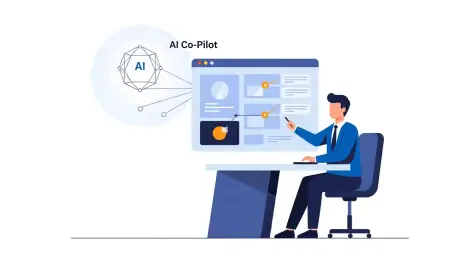
Across the industry, a consensus is forming among thought leaders: AI’s primary role within the SaaS ecosystem is one of augmentation, not replacement. The most successful integrations position AI as a co-pilot, an intelligent assistant that handles tedious, repetitive tasks, thereby freeing human users to focus on higher-level strategy, creativity, and problem-solving. This symbiotic relationship enhances productivity and creativity rather than making the user obsolete, a reality that directly refutes the early fears of mass redundancy. The technology serves to amplify human capability, leading to better outcomes and more efficient workflows.
This technological shift is compelling a necessary evolution in business models. Experts note the strategic imperative of moving away from a purely seat-based subscription model toward a hybrid approach that incorporates consumption-based pricing for resource-intensive AI features. Companies like Figma are already planning this transition, intending to introduce pay-as-you-go plans for AI credits. This dual model allows companies to maintain a stable recurring revenue base while capturing additional value from high-volume AI usage, creating a new and significant monetization stream as adoption scales.
Furthermore, industry analysts point to strong customer metrics as definitive proof that AI is enhancing, not cannibalizing, SaaS revenue. A Net Dollar Retention (NDR) rate of 136%, for instance, indicates that the existing customer base increased its spending by a remarkable 36% over the course of a year. Such a figure is a powerful testament to customer satisfaction and demonstrates that organizations are finding immense value in new AI features, leading them to expand their use of the platform rather than curtail it. This data directly contradicts the narrative that AI would lead to reduced software spending and seat counts.
The Future Trajectory: Charting the Next Wave
The current wave of AI integration is only the beginning. The next frontier for SaaS involves the development of hyper-personalized user experiences, where the software anticipates user needs and proactively customizes workflows and interfaces. Beyond personalization, the potential for fully autonomous workflows within SaaS platforms is on the horizon, where AI can manage complex, multi-step processes from start to finish with minimal human intervention. Ultimately, this trajectory points toward AI emerging as a central operating system for business functions, orchestrating tasks across different applications and departments to create a truly unified and intelligent enterprise environment.
However, this forward path is not without its challenges. The high cost associated with developing, training, and running sophisticated AI models presents a significant financial barrier for many companies. Moreover, as SaaS platforms handle increasingly sensitive information to power these AI features, data privacy and security concerns become paramount, demanding robust governance and transparent policies. The ethical implications of AI-driven decision-making, particularly concerning bias and accountability, also pose complex risks that require careful navigation to maintain user trust and regulatory compliance.
The integration of AI into everyday software will inevitably reshape the workforce. The demand for skills related to manual data entry and repetitive execution will likely decline, while proficiency in strategic oversight, creative direction, and AI model management will become increasingly valuable. Workers will need to evolve from being operators of software to being conductors of AI-powered systems, focusing on defining objectives, interpreting AI-generated insights, and ensuring that the technology aligns with broader business goals. This shift represents not a reduction in the need for human talent but a redefinition of its role in the modern workplace.
Conclusion: Embracing the New SaaS Paradigm
The evidence overwhelmingly confirmed that AI integration was not a fleeting trend but a fundamental and permanent evolution of the software industry. This conclusion was validated by the strong financial performance of pioneering companies, their strategic pivots in product development, and the significant expansion of their user bases into new market segments. The most forward-thinking platforms demonstrated that embedding AI directly into their core offerings was the key to unlocking new levels of value and user engagement.
In the end, the narrative of the “SaaSpocalypse” was successfully inverted. Rather than succumbing to the disruptive potential of artificial intelligence, leading SaaS companies harnessed it, turning a perceived threat into their most significant growth opportunity. The companies that thrived were those that recognized AI not as an add-on but as a foundational element of their future. They architected their products and business models around an AI-native paradigm, securing their relevance and leadership in a rapidly changing technological landscape.