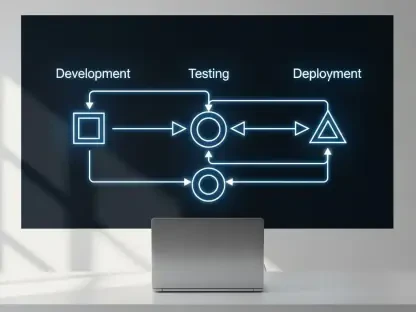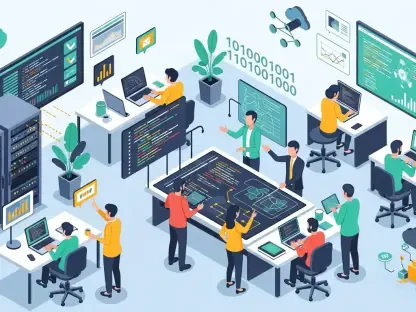
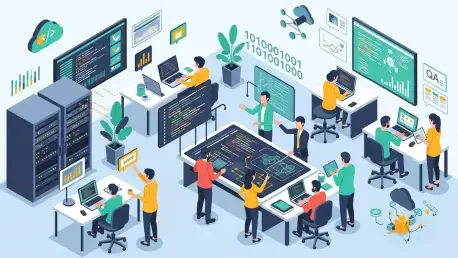
Waves of technological change have always defined the software industry. From the emergence of high-level programming languages and integrated development environments to the rise of cloud computing and DevOps practices, each innovation has changed how software is conceived, built, tested, and
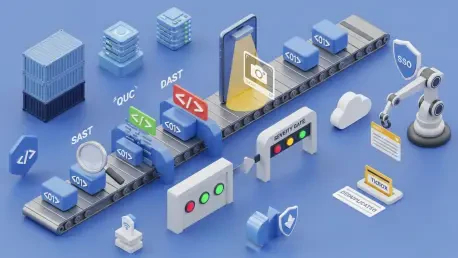
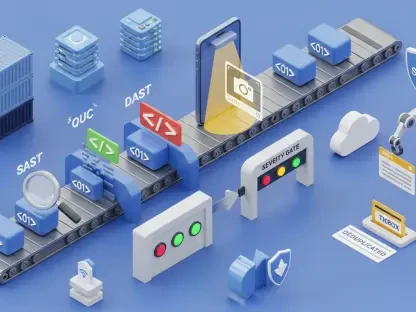
One exploitable flaw in a mobile application deployment can erase months of engineering work and expose the organization to regulatory scrutiny before a rollback is even complete. As the global average cost of a breach continues to rise , security defects in development have a board-level impact.

Non-human identities outnumber human users in most enterprise environments. Yet, many organizations have no systematic way to govern them. Prompt-driven development has accelerated the problem. As a result, non-technical staff can now generate functional software through a large language model, and

The microservices debate has matured. Decomposing code is not the hard part. Operating dozens or hundreds of services with predictable cost, reliability, and speed is. Teams that succeed treat microservices as an operating model that connects architecture, platform engineering, and governance.

Autonomy should not be seen as a defense; rather, it is a design choice that carries legal consequences. When an AI system operates without real-time human supervision and causes harm, accountability ultimately lies with the individuals and organizations that designed, deployed, managed, or
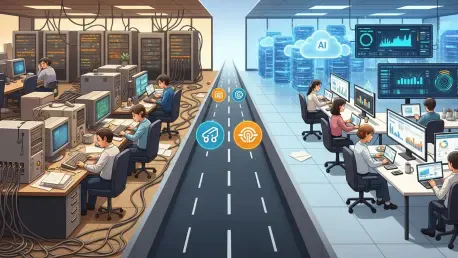
Executives do not lose sleep because a mainframe still runs. They worry because their best ideas keep hitting the same wall: brittle systems that cost more every year and slow down everything that matters. Executives do not lose sleep because a mainframe still runs. They worry because their best