
Imagine a world where database systems not only store vast amounts of data but also power cutting-edge AI applications with seamless scalability, all while maintaining ironclad security for enterprises. In today’s fast-evolving cloud computing landscape, this isn’t a distant dream—it’s becoming reality with groundbreaking solutions like Microsoft’s latest offering. As businesses grapple with unprecedented data growth and the need for real-time analytics, a new player has emerged to redefine what a database can do. This review dives deep into Azure HorizonDB, a high-performance, scale-out variant of the open-source PostgreSQL database, to uncover how it stands out in a crowded market and what it means for the future of cloud-native workloads.
Setting the Stage for Innovation
In an era where digital transformation dictates success, the demand for robust, scalable database solutions has never been higher. Enterprises and developers alike seek platforms that can handle massive transactional workloads while integrating with modern AI-driven applications. Azure HorizonDB steps into this space as a strategic move by Microsoft to enhance its data platform offerings. Built on the trusted foundation of PostgreSQL, this technology promises to address the pain points of traditional systems—think scalability bottlenecks and complex integrations—by leveraging cloud-native design principles. Its introduction marks a significant milestone in the journey toward flexible, powerful database management.
This solution isn’t just another database; it’s a testament to Microsoft’s deep commitment to the open-source community and its focus on enterprise needs. With a design tailored for high-demand environments, Azure HorizonDB aims to cater to both large organizations and individual developers seeking agility. The stage is set to explore how this technology delivers on its promises, from performance leaps to innovative features that could reshape application development in the cloud era.
Unpacking the Technology’s Strengths
Performance and Scalability Breakthroughs
At the heart of Azure HorizonDB lies its remarkable ability to outperform standard PostgreSQL setups. Microsoft claims a threefold increase in throughput for transactional workloads, a statistic that speaks volumes about its potential for operational databases under heavy load. This isn’t mere hype; the architecture separates compute and storage, enabling independent scaling up to an impressive 3072 cores and 128TB of storage. Such flexibility means businesses can dynamically adjust resources—adding compute power or read replicas—without the headache of manual sharding, which often plagues traditional systems.
Moreover, this scalability isn’t just about raw numbers. It translates into real-world efficiency with sub-millisecond commit times, making it ideal for applications where speed is non-negotiable. Whether it’s supporting large-scale Kubernetes deployments or handling cloud-native workloads, the design ensures that performance doesn’t falter as demands grow. This capability positions Azure HorizonDB as a go-to choice for organizations looking to future-proof their data infrastructure against exponential growth.
The significance of these advancements becomes even clearer in high-stakes environments. For industries dealing with massive data inflows—like finance or e-commerce—this technology offers a lifeline, ensuring that systems remain responsive even at peak usage. It’s a bold step forward, addressing long-standing scalability challenges with a finesse that few competitors can match.
AI Integration and Cloud-Native Focus
Beyond raw performance, Azure HorizonDB shines with its forward-thinking design for AI-driven and cloud-native applications. It’s not just about storing data; it’s about embedding intelligence directly into the database layer. Features like DiskANN-based vector search for retrieval-augmented generation (RAG) and model tuning elevate its role beyond traditional storage, offering a performance edge over standard PostgreSQL vector search methods. Hybrid in-memory and disk search mechanisms ensure efficiency, even with sprawling vector indexes.
Additionally, filtered graph traversals boost query speeds by up to three times, a game-changer for complex data relationships often found in AI workloads. These innovations mean developers can execute sophisticated AI operations within SQL queries, streamlining workflows that once required external tools. Integration with platforms like Microsoft Foundry further enhances semantic operations and model management, painting a picture of a database that’s as much a brain as it is a vault.
This focus on cloud-native design aligns perfectly with the microservices and containerization trends dominating modern software development. By catering to applications that demand low latency and high IOPS, Azure HorizonDB isn’t just keeping up with the times—it’s setting the pace for what databases should aspire to be in an AI-centric world.
Enterprise Security and Developer Ecosystem
Security remains a cornerstone for any enterprise solution, and Azure HorizonDB doesn’t disappoint. It integrates seamlessly with Azure’s robust suite of tools, including encryption, Entra ID for identity management, and private endpoints to lock down data access. Azure Defender for Cloud adds another layer of protection, safeguarding sensitive information in an era of escalating cyber threats. These features reflect a clear understanding of the stringent compliance and security needs that large organizations face daily.
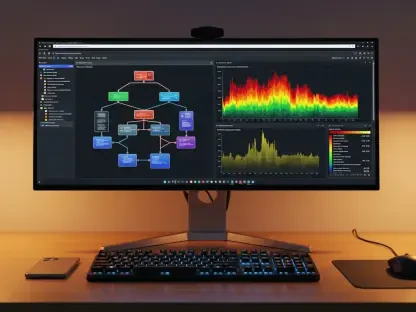
On the flip side, the technology doesn’t neglect the developer community. Tools like the Visual Studio Code PostgreSQL extension—now widely available—make database management accessible directly within a familiar coding environment. With features such as schema visualization, performance dashboards, and natural language query assistance via GitHub Copilot, it bridges the gap between enterprise demands and individual creativity. This dual focus ensures that both massive corporations and solo coders find value in the platform.
What’s striking here is the ecosystem’s versatility. The tools aren’t confined to Azure-hosted instances; they support on-premises and other cloud-based PostgreSQL setups as well. This inclusivity underscores a broader vision of fostering a vibrant, accessible database community, regardless of where developers choose to host their projects.
Real-World Impact and Industry Alignment
Azure HorizonDB isn’t a theoretical marvel—it’s already proving its worth across diverse sectors. From powering cloud-native workloads in tech startups to enabling real-time analytics for retail giants, its applications are as varied as they are impactful. Enterprises leveraging large-scale Kubernetes deployments find its scalability invaluable, while AI-focused firms utilize its vector search capabilities to drive innovations in areas like personalized recommendations and predictive modeling.
In parallel, the technology aligns with key industry trends, such as the shift toward open-source solutions and the embedding of AI into core database functions. Microsoft’s active role in the PostgreSQL community, including contributions to upcoming major releases, signals a commitment to community-driven progress. This isn’t just about building a product; it’s about shaping the future of database architecture in a cloud-first world where agility and intelligence are paramount.
Furthermore, the push for cost efficiency resonates strongly with organizations migrating from proprietary systems. AI-assisted migration tools within the ecosystem help transition schemas from costly platforms to Azure-hosted PostgreSQL, minimizing errors through sandbox validation. Such practical solutions highlight how this technology addresses not just technical needs but also the financial realities of modern IT budgets.
Navigating Challenges and Limitations
Despite its strengths, Azure HorizonDB isn’t without hurdles. Migrating from entrenched proprietary systems poses technical complexities, as not all features translate seamlessly due to differences in SQL extensions. While AI tools assist, manual intervention is often required for unmigrated elements, which can slow down adoption for some organizations. This friction is a reminder that even cutting-edge solutions must grapple with legacy constraints.
Competition in the database-as-a-service market adds another layer of challenge. Rivals with established cloud offerings aren’t standing still, and differentiation will hinge on continuous innovation and user experience. Additionally, integrating with diverse, heterogeneous environments can be daunting for teams lacking deep cloud expertise, potentially limiting its reach in certain segments.
However, ongoing development efforts show promise in tackling these issues. Enhancements like improved migration frameworks and sandbox testing environments aim to reduce transition errors. If these initiatives succeed, they could lower the barriers to entry, making Azure HorizonDB a more universal choice in an increasingly competitive landscape.
Looking Ahead with Optimism
Reflecting on this exploration, Azure HorizonDB carved out a strong position as a transformative force in database management back when it was introduced. Its blend of performance, with a threefold throughput boost, and scalability, supporting vast resources, set a high bar for operational databases. The integration of AI capabilities and cloud-native design further cemented its relevance for modern applications, while enterprise-grade security reassured cautious adopters.
Taking a step beyond past achievements, the path forward involves deeper integration with analytical platforms like Microsoft Fabric to enable near-real-time data access for dynamic dashboards. Businesses should consider piloting this technology in high-demand scenarios to gauge its fit, while developers might explore its AI tools to unlock new application possibilities. As scalability and intelligence continue to define database needs, staying ahead means embracing solutions like this one—testing, adapting, and innovating with each step toward a data-driven future.