
The long-held vision of a seamless metaverse has often been hindered by the digital walls separating individual games and platforms, creating a fractured experience where a player’s identity is constantly reset. The rise of interoperable avatar technology represents a significant advancement toward solving this issue. This review explores the Genies Avatar SDK, analyzing its features and impact to provide a clear understanding of its potential in creating a unified digital identity.
The Dawn of a Unified Digital Identity
The Genies Avatar SDK emerges as a pivotal tool for creating persistent, cross-platform digital identities. Its core principle allows users to design a single, highly customizable avatar that travels seamlessly across any game or digital world built with the Unity engine. This technology directly addresses the long-standing fragmentation of player identity, positioning itself as a foundational layer for a more interconnected metaverse where a user’s digital self is constant and evolving.
Core Features and Technical Breakdown
Unprecedented Customization and Persistence
The SDK offers a robust suite of high-fidelity customization options, allowing users to fine-tune body features, facial details, and a vast wardrobe. A key innovation is the persistent inventory, where a player’s unlocked or purchased wearables are tied to their account, not a single game. This ensures their digital identity and investments carry over across all integrated experiences.
Seamless Developer Integration
Designed for ease of use, the SDK can be dropped directly into a Unity project. It includes a pre-built character controller, compatibility with existing animation systems, and a streamlined, one-time email code login that securely carries user data between games. This approach significantly lowers the barrier to entry for developers wanting to implement a powerful cross-game avatar system.
The Auto Rigging Pipeline
A major technical achievement is the SDK’s auto-rigging pipeline. This system automatically fits any custom clothing to any avatar configuration, eliminating graphical issues like clipping and texture distortion. This technology ensures a consistent, high-quality visual style and can be used to efficiently generate both player avatars and non-player characters.
The Next Frontier in Automation and AI
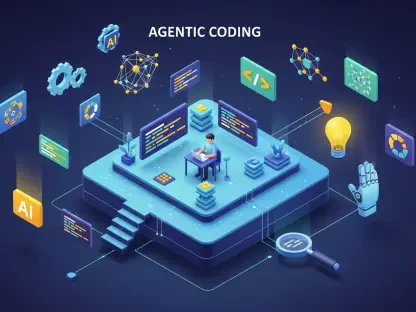
Genies’ roadmap signals an industry trend toward automating complex development tasks. The company is developing an AIGC SDK to create 3D assets on demand, a Smart Avatar SDK for adaptive NPCs, and a Genies Party SDK to bundle these tools for specific IPs. This vision aims to transform tedious workflows into rapid, automated processes, freeing creators to focus on design.
Real World Impact for Players and Developers
This technology offers tangible benefits for the gaming ecosystem. For players, it provides a deep sense of ownership and a consistent personal identity across their favorite titles. For developers, it simplifies character system creation, saves significant development time, and offers a ready-made solution for building visually cohesive game worlds, empowering smaller studios.
Current Challenges and Development Hurdles
Despite its innovations, the technology faces challenges. Widespread adoption is the main hurdle, as its success depends on a critical mass of developers integrating the SDK. Technical hurdles include ensuring optimal performance across various devices and expanding interoperability beyond Unity, while market obstacles involve competing with proprietary systems from major platform holders.
Future Outlook The Evolution of Game Development
The long-term vision for this technology points toward a fundamental shift in content creation. If successful, the Genies SDK suite could democratize high-end game development by automating asset creation, rigging, and AI behavior. This would empower smaller studios and individual creators, leading to a more diverse and interconnected landscape of digital experiences.
Final Assessment and Key Takeaways
The Genies Avatar SDK is a practical first step toward a future of interoperable digital identities. Its immediate value lies in its ease of integration and powerful customization for the Unity ecosystem. While its ultimate impact depended on broader adoption and the delivery of its AI tools, it stood as a well-executed solution that addressed a core challenge in the future of gaming and the metaverse.