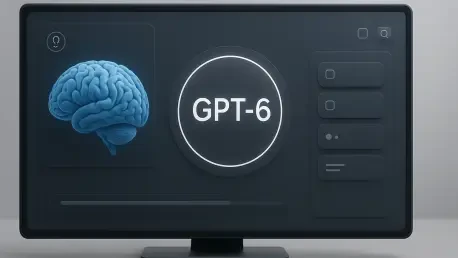

A global launch of the Sol and Luna versions ensures that every ChatGPT user can now access advanced problem-solving features and an interactive UI environment. This transition marks a fundamental departure from the traditional text-centric interface that has defined conversational artificial intelligence for several years. By integrating a dynamic layer into the core architecture, the system now constructs real-time functional modules that adapt to the context of a query. Instead of receiving a static list of instructions or a lengthy explanation, users interact with live graphics, tappable forms, and custom-built utility tools that exist within the chat stream. This evolution addresses the long-standing limitation of linguistic models where complex data often felt flat or difficult to parse. The new interface allows for a more tactile exploration of information, enabling users to manipulate variables in a financial model or adjust parameters in a simulation without ever leaving the conversation window. Such a shift redefines the boundary between a standard chatbot and an operating environment for digital tasks.
Integrated Systems: Architectural Design and Safety Protocols
The underlying infrastructure supporting this leap is a specialized library of native, streamable components coupled with a proprietary compiler designed for high-velocity rendering. This system functions by interpreting the model’s intent and translating it into visual elements that appear progressively as the response is generated. Unlike previous attempts at adding UI layers which felt like clunky add-ons, these elements are woven into the fabric of the output. The compiler ensures that whether a user is on a mobile device or a workstation, the performance remains fluid. GPT-6 has been trained to differentiate between scenarios requiring simple text and those demanding an interactive component. For instance, when a user asks for a budget breakdown, the model does not just list numbers; it may deploy an interactive pie chart or a ledger that allows for immediate adjustment. This integration of code and design represents a milestone in software engineering, where the model acts as both a developer and a logic engine.
Beyond the visual interface, the intelligence core of GPT-6 demonstrates a marked improvement in search quality and evidence-based reasoning. In comparative testing, the model consistently outperformed GPT-5.6 by identifying more reliable supporting information and addressing the nuances of multifaceted queries. This is particularly evident in scientific and technical domains where the accuracy of citations and the ability to synthesize contradictory data are paramount. Furthermore, the integration of safety protocols from the Astra project has fortified the model against adversarial manipulation. The training data now includes advanced defensive techniques to resist multi-turn exploitation and social engineering. By being more discerning, the model avoids unnecessary refusals for harmless requests, while remaining vigilant in high-risk scenarios. This balanced approach is made possible by a better contextual understanding of history, ensuring that safety filters are applied with precision rather than broad-stroke restrictions that hinder productivity.
As the global deployment of the Sol and Luna versions reached completion, the focus shifted toward maximizing the practical utility of these interactive capabilities in professional workflows. Organizations that successfully integrated these tools realized that moving away from pure text allowed for faster decision-making and transparent data analysis. The availability of GPT-6 across all tiers, from Free to Enterprise, democratized access to high-level computational tools that were once restricted to specialized software. For businesses looking to capitalize on this shift, the immediate next step involved auditing existing communication channels to identify where interactive UI components could replace static reporting. Developers were encouraged to explore the streamable component library to build proprietary extensions that tailored the experience to specific industry needs. By embracing this unified system, users transitioned from simply chatting with an AI to operating within a workspace that anticipated their needs and provided tools to meet them.