The rhythmic clicking of mechanical keyboards, once the steady heartbeat of every thriving technology hub, has been largely superseded by the hum of high-performance cooling fans as silicon takes the lead in the creative process of writing software. This transformation represents a fundamental
The flagship 397B Ornith-1.5 model has reportedly achieved a score of 86.1 on the Terminal-Bench 2.1 benchmark, surpassing the current performance figures associated with Claude Opus 4.8. This development signals a major shift in the artificial intelligence industry, where the divide between

Maintaining resilient automation in dynamic environments like Salesforce requires AI agents that understand business intent rather than just following hard-coded paths. This fundamental shift marks the end of an era where testers were primarily curators of fragile, line-by-line instructions.
The traditional wall of confusion that once defined the friction between developers and operations is rapidly dissolving as autonomous agent fleets redefine what it means to write and ship software in 2026. While the industry spent decades refining the ways humans interact with code, a fundamental

Starting August 14, 2026, Anthropic will transform the standard developer workflow by making "auto mode" the default permission setting for Claude Code subscribers. This transition marks a significant departure from the manual "human-in-the-loop" protocols that previously governed every interaction
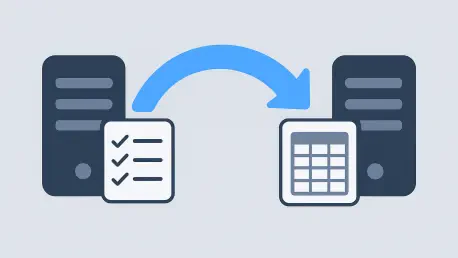
The manual effort involved in transferring test documentation from ticket-based descriptions to dedicated management systems remains one of the most significant bottlenecks in modern software delivery pipelines. This friction often results in stale documentation, where the actual testing procedures