The traditional software engineering landscape is undergoing a metamorphosis where the meticulous craftsmanship of human-written code is being rapidly superseded by automated generation at a scale previously thought impossible for modern enterprise systems. This shift has forced global DevOps teams
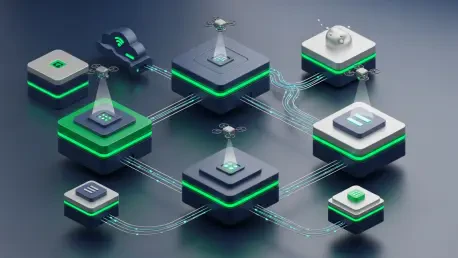
The architectural density of contemporary cloud ecosystems has reached a threshold where human intervention alone can no longer guarantee systemic reliability or performance optimization. Monitoring has historically been a passive endeavor, focused on gathering data for human review, but the
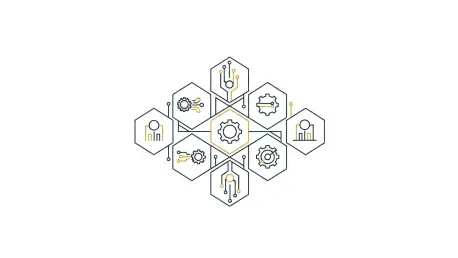
The growing distance between the initial creation of an autonomous artificial intelligence agent and its eventual deployment into a highly regulated corporate environment has become a critical roadblock for modern enterprises. Microsoft has officially entered the competitive landscape of AI
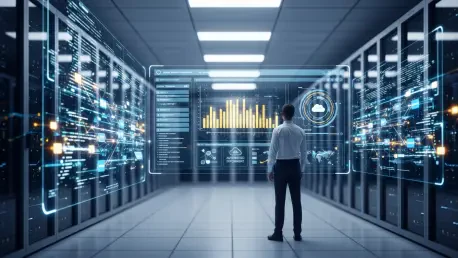
The integration of sophisticated large language models into the core of software engineering has reached a point where nearly half of all code commits originate from nonhuman entities. This technological surge accelerates deployment cycles but fundamentally shifts the burden of trust from human
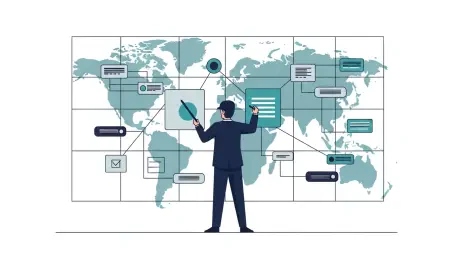
The traditional image of a programmer hunched over a keyboard typing line after line of logic is rapidly dissolving into a new reality where the primary skill is no longer syntax but the strategic orchestration of autonomous agents. This transition marks the end of the era of simple AI autocomplete

The modern development environment has undergone a radical transformation as autonomous AI agents move from experimental side-projects to essential fixtures of the professional software engineering workflow. Tools like Cursor and Claude Code have significantly accelerated the pace of innovation by