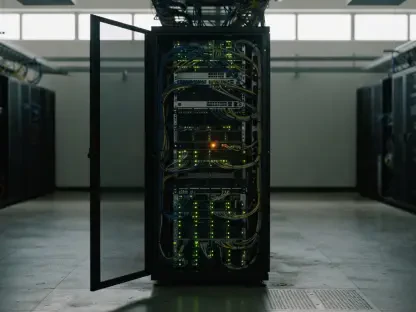

The architectural gap between high-level reasoning and the granular reality of enterprise development pipelines is currently the primary obstacle preventing AI agents from achieving true operational autonomy. While the large language models available in 2026 possess remarkable logic, they

Software engineering is currently undergoing a violent metamorphosis as the traditional assembly line of code development collapses under the weight of autonomous machines that do not sleep, hesitate, or wait for human approval. The industry is rapidly departing from the era of manual ticket

Traversal’s nine-fold revenue growth over the past year highlights a critical need for automation that can diagnose and remediate root causes. This impressive trajectory has culminated in a substantial $120 million funding round, effectively vaulting the enterprise technology startup into the

Developers must treat exported code as a foundational starting point rather than a literal translation of their original visual orchestration maps. The announcement of the Agent Builder’s retirement on June 3, 2026, signaled a major pivot for OpenAI, as the company decided to phase out its visual,
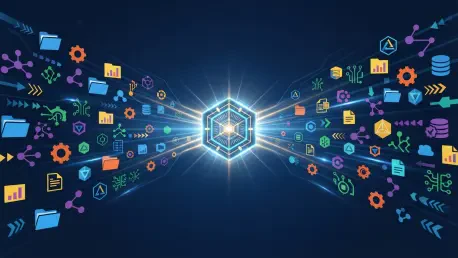
Specialized agents within the Microsoft Agent Framework can now collaborate on complex tasks, such as one agent handling research while another tests executable code. This shift reflects a broader evolution in the technological landscape, where Large Language Models have successfully transitioned

Small to medium-sized engineering teams often lack the bandwidth to write thousands of lines of test code while simultaneously building new product features. This persistent tension between shipping speed and software stability frequently results in a backlog of technical debt that threatens the