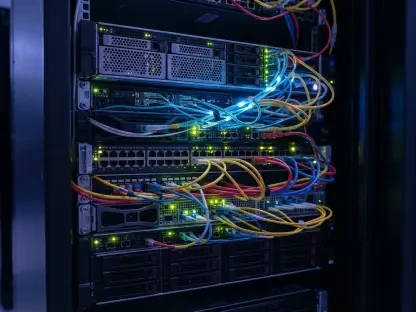

Modern industrial landscapes rely heavily on the assumption that digital logic remains consistent, yet the integration of generative intelligence introduces a layer of unpredictability that traditional server monitoring simply cannot capture. As organizations in 2026 pivot from simple automation
The fundamental dissonance between the sheer cognitive power of modern Large Language Models and the archaic, fragmented nature of the digital interfaces they inhabit has created a productivity gap that simple chat windows cannot bridge. While the industry has spent the last few years obsessing

The pervasive model of software delivery that once promised liberation from physical media has reached a critical saturation point where users feel more like digital tenants than empowered owners. For over a decade, the shift toward Software-as-a-Service (SaaS) was treated as an inevitable
The transition from a service provider to a product developer allowed QA Madness to build a tool that prioritizes the practical daily needs of QA engineers. Drawing on over 13 years of extensive experience in the quality assurance industry, the Warsaw-based software testing and consulting firm

The integration of sophisticated machine learning models into the daily workflows of global enterprises and individual consumers has reached a critical inflection point where performance is no longer measured in words generated, but in economic tasks completed. This shift marks the definitive end

The seamless transition from software that waits for a command to software that anticipates a business need has effectively blurred the once-clear lines between human intent and automated execution. In the current enterprise landscape of 2026, the traditional model of software as a passive tool is
1 2 3 4 5 6 7 8 9 10 11 12 13 14 15 16 17 18 19 20 21 22 23 24 25 26 27 28 29 30 31 32 33 34 35 36 37 38 39 40 41 42 43 44 45 46 47 48 49 50 51 52 53 54 55 56 57 58 59 60 61 62 63 64 65 66 67 68 69 70 71 72 73 74