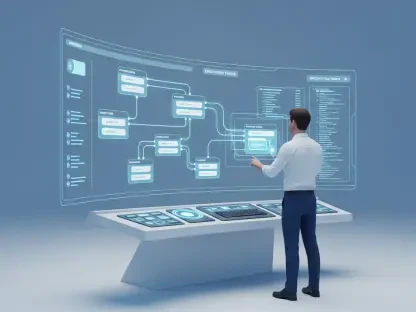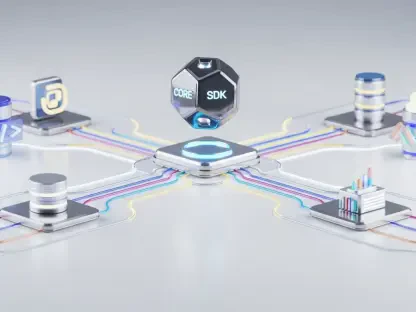

The proliferation of AI-powered developer tools has created a paradoxical challenge for the very engineering teams they are meant to assist: as each new tool is built for a different interface—a CLI, an IDE, or a web app—the underlying agent logic is often duplicated, leading to a fragmented and

The evolution of artificial intelligence in software development has rapidly crossed a significant threshold, moving beyond simple code completion and passive suggestions to the dawn of active, autonomous agents capable of managing entire segments of the development lifecycle. This profound
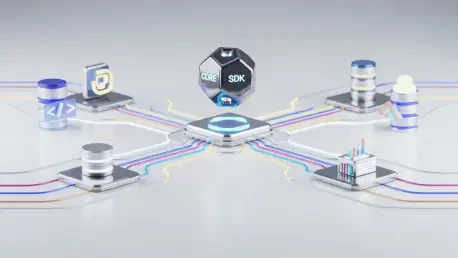
The modern software development lifecycle is increasingly fragmented, forcing engineers to constantly navigate a disorienting maze of specialized tools, command-line interfaces, and disparate data sources to bring intelligent applications to life. This constant context-switching creates friction,

The once-familiar rhythm of software development, characterized by meticulous line-by-line coding and manual debugging, is rapidly being replaced by a new symphony of high-level direction and autonomous execution. The rise of Agentic Integrated Development Environments (IDEs) represents a
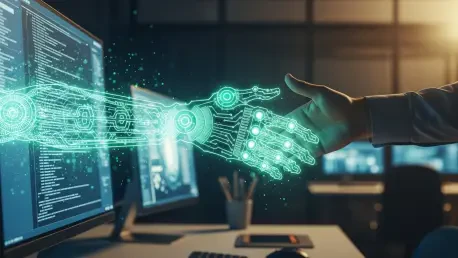
The long-held division between the human engineer who commands and the machine that executes has dissolved, leaving in its place a collaborative frontier where autonomous AI agents now function as fully-fledged partners in the creation of software. This historic shift from passive code suggestion

The constant shuffle between an integrated development environment, a web browser, and various command-line tools has long defined the software development process, fragmenting focus and slowing momentum. This persistent context switching, a known drain on productivity, is now being directly