
Launching a sophisticated digital commerce platform no longer requires an army of engineers or a multi-year development cycle because modern infrastructure has finally caught up with entrepreneurial ambition. In the current landscape of 2026, the barriers to entry have dissolved, allowing

Modern enterprises are increasingly discovering that a fragmented digital presence is no longer a sustainable strategy for maintaining customer loyalty in an environment defined by instant connectivity and high expectations. As the digital landscape matures, mobile applications have transitioned

The traditional boundaries between physical presence and digital interaction have effectively dissolved as mobile applications transform from supplementary utilities into the foundational architecture of global commerce and communication. This shift marks a significant departure from the early days
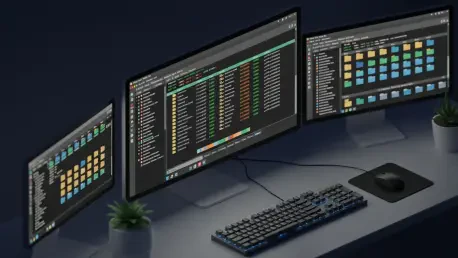
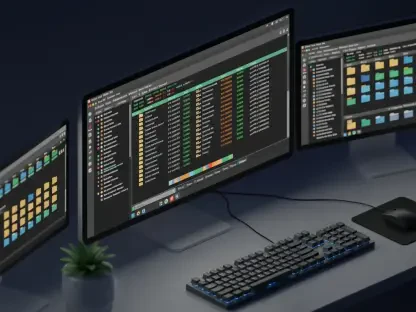
The traditional command line interface is no longer a desolate landscape of static text strings but has transformed into a vibrant ecosystem where interactive menus and visual feedback provide a sophisticated user experience. Terminal User Interfaces (TUIs) occupy a unique niche between the

The illusion that a single, pre-packaged software application can satisfy the intricate demands of a modern enterprise has finally crumbled under the weight of hyper-specialization and rapid digital evolution. Organizations no longer view software as a mere utility but as the very central nervous

The majestic skyline of Dubai serves as a vivid physical manifestation of a digital ambition that has successfully repositioned the emirate from a historic pearl diving hub into the undisputed primary catalyst for global mobile innovation. This shift represents a deliberate transition toward a
1 2 3 4 5 6 7 8 9 10 11 12 13 14 15 16 17 18 19 20 21 22 23 24 25 26 27 28 29 30 31 32 33 34 35 36 37 38 39 40 41 42 43 44 45 46 47 48