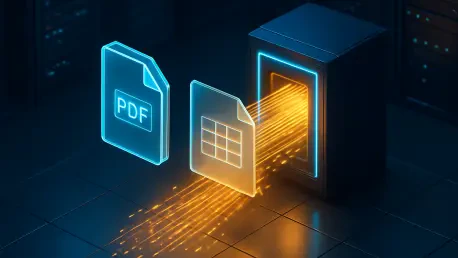

Providing engineers with tools to programmatically edit and extract data from diverse file formats simplifies the creation of automated enterprise document management systems. Consider a global logistics firm in 2026 that must process ten thousand unique invoices daily across multiple time zones; without programmatic intervention, this task would require an army of clerks and result in inevitable data discrepancies. XLsoft serves as a vital link in this ecosystem, facilitating the distribution of Iron Software’s comprehensive library suite to solve such challenges. By integrating these tools, developers can interact with PDF and Excel files as if they were native objects within their code, rather than external, opaque entities. This partnership has proven essential for businesses aiming to modernize their tech stacks without the overhead of building proprietary document engines from scratch. This shift allows organizations to convert massive volumes of unstructured data into actionable business intelligence with high precision.
Professional Integration: Bridging Technical Gaps With Specialized Componentry
Software developers frequently encounter significant friction when attempting to integrate legacy document formats into modern cloud environments. XLsoft addresses this by providing localized access to Iron Software’s versatile toolsets, such as IronPDF and IronXL. These components are designed specifically for high-throughput environments where reliability is non-negotiable. For instance, a developer building a fintech application can use IronPDF to programmatically generate secure, encrypted financial statements directly from web data without needing to open a separate browser instance. This level of direct integration reduces the surface area for potential security vulnerabilities while significantly decreasing the memory footprint of the application. Unlike open-source alternatives that may lack consistent updates or documentation, these commercial-grade libraries offer a structured framework that simplifies the debugging process. The partnership between the distributor and the developer provides a safety net for large-scale operations requiring consistent performance.
Beyond simple document creation, the necessity of accurate data extraction has led to a surge in the adoption of optical character recognition technologies. IronOCR, available through XLsoft’s professional distribution channels, enables programs to read text and barcodes from scanned documents with high precision. This is particularly useful in logistics and supply chain management, where thousands of bills of lading must be processed hourly. By utilizing advanced image pre-processing filters, engineers can ensure that even low-quality scans are converted into searchable, actionable data. This technological synergy eliminates the need for massive manual data entry teams, thereby redirecting human resources toward more strategic analysis tasks. Furthermore, the ability to handle multiple languages and specific regional character sets makes these tools indispensable for multinational corporations operating across different regulatory zones. The focus remains on providing a seamless transition from physical paper trails to digital-first workflows that are fully compliant.
Strategic Implementation: Establishing a Resilient Digital Document Infrastructure
Implementing high-end document automation requires more than just raw code; it demands a robust support structure that understands the nuances of local markets. XLsoft plays a pivotal role here by acting as a technical intermediary, ensuring that Japanese enterprises and international firms receive localized documentation and support for Iron Software products. This collaborative approach significantly reduces the time-to-market for new internal tools and customer-facing applications. When a development team encounters a specific edge case involving complex PDF structures, having access to experts who can communicate in the local language and time zone proves invaluable. This reduces the frustration often associated with overseas vendor communication. Moreover, the licensing models provided through this partnership are tailored to accommodate various team sizes, from agile startups to expansive government agencies. This flexibility ensures that document automation is a standard tool for any organization seeking to modernize its digital infrastructure.
The integration of XLsoft’s distribution expertise with Iron Software’s technical prowess provided a clear roadmap for organizations looking to overcome document-related obstacles. Decision-makers who prioritized these specialized libraries successfully reduced their reliance on cumbersome manual processes and outdated legacy systems. Engineers who implemented these tools found that they could spend more time on core product features rather than wrestling with the intricacies of PDF rendering or Excel parsing. This shift toward automated management fostered a more agile corporate culture, where data flowed freely between departments without the typical friction of format incompatibility. Looking ahead, the strategic move involved auditing current document workflows and identifying the specific bottlenecks where programmatic intervention could yield the highest return on investment. Organizations that adopted a modular approach to their tech stack established a scalable foundation that remained competitive in an increasingly digital-first global economy by maximizing developer output.