
In a world where the traditional office perimeter has dissolved into a fluid network of remote workstations, flexible hubs, and global headquarters, the reliance on physical keys and legacy on-site security systems has become a critical business liability. The modern workplace is no longer a single, fortified location but a dynamic ecosystem of people, places, and data. This fundamental shift demands an equally transformative approach to security, one that is intelligent, scalable, and centrally managed. Cloud-based access control has emerged as the definitive answer to this challenge, moving security infrastructure from the server closet to the cloud and redefining how organizations protect their most valuable assets in an increasingly distributed world. It represents not just an upgrade in technology but a strategic realignment of security with the core principles of modern business: agility, efficiency, and resilience.
The New Security Paradigm: Charting the Cloud Access Control Landscape
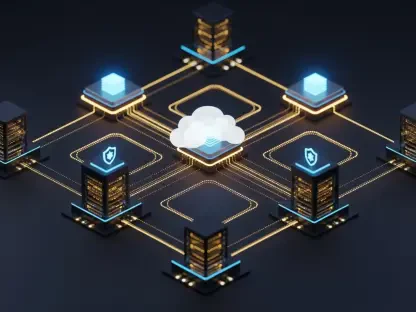
The transition from on-premises hardware to cloud-native security platforms marks one of the most significant evolutions in the history of physical security. Traditional access control has long been defined by its physical components: local servers, dedicated wiring, and on-site controllers that manage doors and credentials for a single location. This model, while functional for a bygone era of centralized work, is inherently rigid and fragmented. In contrast, cloud access control abstracts the system’s intelligence and management capabilities into a centralized, software-defined platform. This paradigm shift decouples security management from physical location, allowing administrators to oversee their entire global footprint from a single web-based dashboard, a fundamental change that moves security from a capital-intensive, hardware-centric model to a flexible, service-oriented one.
This evolution holds profound significance for enterprises of all sizes. For startups and small businesses, the cloud lowers the barrier to entry for sophisticated security, offering enterprise-grade features without the prohibitive upfront investment in servers and infrastructure. They can scale their security footprint seamlessly as they grow, adding new doors or locations with minimal friction. For large global corporations, the benefits are centered on unification and consistency. Cloud platforms provide the “single pane of glass” needed to enforce uniform security policies, manage credentials across continents, and gain real-time visibility into access events everywhere. This centralized oversight is crucial for ensuring compliance, streamlining operations, and responding to incidents with unprecedented speed and coordination.
The market for these solutions is diversifying into several key segments, each driven by specific technological advancements. Access Control as a Service (ACaaS) represents the core business model, where organizations subscribe to a security service rather than purchasing and maintaining hardware. This is complemented by the rapid growth of mobile credentials, which leverage smartphones and wearables to replace traditional key cards, enhancing both convenience and security. These segments are part of a broader trend toward unified security platforms that integrate access control with video surveillance, visitor management, and intrusion detection. This convergence is powered by major technological influences, including the Internet of Things (IoT), which enables smart locks and sensors to connect directly to the cloud; artificial intelligence (AI), which analyzes access data for anomalies; and mobile computing, which has made the smartphone the universal key for the modern workforce.
Riding the Wave of Digital Transformation: Key Market Dynamics and Projections
From Legacy Keys to Digital Credentials: The Forces Driving Cloud Adoption
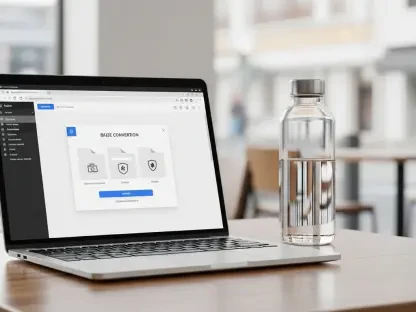
The single most powerful force driving the adoption of cloud access control is the irreversible rise of the hybrid workforce. The expectation that employees can work effectively from anywhere has rendered site-specific security management obsolete. The logistical nightmare of issuing, tracking, and retrieving physical access cards for a distributed workforce that may only visit an office intermittently creates significant administrative burdens and security loopholes. Cloud-based systems address this directly by enabling remote, instantaneous credentialing. An administrator in New York can grant a new employee in London access to their office before their first day, or revoke access for a departing team member in Singapore in real time, all from a centralized interface. This agility is no longer a luxury but a core requirement for operating a modern, flexible business.
Simultaneously, organizations are confronting the deep-seated vulnerabilities and operational inefficiencies of their fragmented, on-site systems. Legacy infrastructure often consists of a patchwork of different vendors and technologies acquired over time, resulting in a lack of interoperability and a siloed view of security. A security event at one location may go unnoticed by the central team until it is too late. Furthermore, the manual processes associated with these systems, from updating access levels to generating audit reports, are slow and prone to human error, creating windows of opportunity for security breaches. The move to the cloud is a strategic response, aimed at replacing this fragmentation with a unified, automated, and intelligent security framework.
Beyond operational needs, the shift is also propelled by evolving employee expectations. In an age of seamless digital experiences, the workforce has little patience for clunky, inconvenient processes. Fumbling for a plastic key card feels anachronistic when a smartphone can be used for everything from boarding a plane to paying for coffee. Cloud access platforms that support mobile credentials meet this demand for a frictionless, mobile-first experience, improving employee satisfaction and reflecting a modern, tech-forward corporate culture. This aligns with a broader strategic imperative at the executive level for centralized visibility and real-time security intelligence. C-suite leaders and security directors require holistic data to make informed decisions about risk management, resource allocation, and long-term security strategy, a capability that only a unified, cloud-based system can provide.
Gauging the Momentum: Market Growth and Performance Forecasts
The adoption of cloud-based access control has moved beyond early adopters and is now firmly in the mainstream, with current market analysis indicating robust growth across multiple sectors. As of 2025, a significant percentage of new access control deployments are cloud-based or cloud-managed, with industries like technology, commercial real estate, and healthcare leading the charge. These sectors are particularly drawn to the scalability and remote management capabilities that are essential for their dynamic operational models. Adoption rates are also accelerating in the small and medium-sized business segment, which has historically been underserved by the high costs and complexity of traditional enterprise systems.
Looking ahead, the projected growth trajectory for the ACaaS industry is exceptionally strong. Market forecasts consistently predict a double-digit compound annual growth rate (CAGR) over the next five to ten years. This sustained momentum is fueled by several converging factors: ongoing digital transformation initiatives across all industries, a heightened awareness of sophisticated physical security threats, and the compelling return on investment offered by the service-based model. As more organizations retire their aging on-premises infrastructure, the cloud will become the de facto standard for access control, solidifying its position as a cornerstone of modern building management and corporate security.
The success of this transition is being measured by a new set of key performance indicators that go beyond simply counting secured doors. Organizations are tracking a significant reduction in operational costs, as the expenses associated with printing plastic cards, maintaining on-site servers, and dispatching technicians for system updates are eliminated. Moreover, a primary KPI is the dramatic improvement in security response times. With real-time alerts and centralized lockdown capabilities, security teams can react to incidents in seconds rather than hours. Finally, enhanced user satisfaction has emerged as a critical metric. The convenience of mobile credentials and the reliability of a professionally managed cloud service contribute to a safer and more positive workplace experience for employees and visitors alike.
Navigating the Hurdles: Addressing Implementation and Security Challenges
Despite the clear benefits, transitioning to cloud access control is not without its challenges, chief among them being the complexity of integrating with existing security infrastructure. Many organizations have significant investments in legacy hardware, such as door readers, controllers, and cabling, that are not inherently cloud-compatible. A “rip and replace” approach is often financially and logistically unfeasible. Successful implementation, therefore, hinges on selecting a cloud platform that offers a hybrid approach, utilizing gateways or connectors that can bridge the gap between legacy hardware and the cloud. This allows for a phased rollout, enabling a company to modernize its security posture without disrupting day-to-day operations or writing off existing assets prematurely.
The migration of physical security management to an online environment naturally raises valid cybersecurity concerns. Protecting sensitive access data from unauthorized access or manipulation is paramount. This requires a multi-layered security strategy that addresses data privacy, network vulnerabilities, and active threat mitigation. Leading cloud providers tackle this by employing end-to-end encryption for all data, both in transit between the device and the cloud and at rest in hardened data centers. Furthermore, they must demonstrate robust defenses against network-based attacks, ensure high availability through redundant systems, and undergo regular third-party security audits and penetration testing to validate their defenses. Addressing these concerns head-on with transparency is crucial for building trust and gaining stakeholder buy-in.
Beyond the technical hurdles lies the challenge of managing the cultural shift and ensuring user adoption. Employees and security staff alike are accustomed to established routines, and the introduction of a new system, particularly one involving mobile devices, can be met with resistance or confusion. A successful transition requires a comprehensive change management plan that includes clear communication about the benefits of the new system, hands-on training for both administrators and end-users, and accessible support channels for troubleshooting. Proactively addressing questions about privacy and usability can transform potential skeptics into advocates, ensuring the new technology is not only implemented but also embraced. A well-executed training program is essential to unlocking the full potential of the platform’s features and ensuring a smooth user experience from day one.
Building a Framework of Trust: Compliance and Regulatory Imperatives
In the modern regulatory landscape, access control systems are no longer viewed as simple gatekeepers but as processors of sensitive personal data. Data protection regulations such as the General Data Protection Regulation (GDPR) in Europe and the California Consumer Privacy Act (CCPA) impose strict rules on how organizations collect, store, and manage information that can be linked to an individual. An access control system, which logs the movements of employees and visitors, falls squarely under this purview. Consequently, choosing a cloud access control provider requires rigorous due diligence to ensure the platform is designed with privacy at its core, offering features like data anonymization, purpose limitation, and clear consent management to help organizations meet their legal obligations and avoid substantial penalties.
For any organization operating in a regulated industry or handling sensitive information, third-party validation of a cloud provider’s security practices is non-negotiable. Industry-specific compliance certifications like SOC 2 (Service Organization Control 2) and ISO 27001 are critical benchmarks. A SOC 2 report provides a detailed audit of a provider’s controls related to security, availability, processing integrity, confidentiality, and privacy. Similarly, ISO 27001 is a globally recognized standard for information security management systems. These certifications offer objective proof that a vendor has implemented and maintains a robust, audited security program, providing a crucial layer of assurance that the platform can be trusted with critical security functions.
At a technical level, ensuring robust data encryption is a fundamental requirement for any cloud security service. This protection must be comprehensive, covering data at every stage of its lifecycle. Data in transit, traveling from a door reader or smartphone to the cloud, must be secured using strong transport layer security (TLS) protocols to prevent eavesdropping or man-in-the-middle attacks. Equally important is the encryption of data at rest, meaning that all information stored in the cloud provider’s databases is encrypted. This ensures that even in the unlikely event of a physical breach of the data center, the stored credential and log data remains unreadable and secure. These encryption standards are not just best practices; they are often explicitly mandated by data protection regulations and industry compliance frameworks.
Beyond the Digital Door: The Future Evolution of Cloud Based Security
The evolution of cloud access control is rapidly moving beyond simple entry and exit permissions toward more sophisticated methods of identity verification. The integration of biometrics is at the forefront of this trend, with systems increasingly incorporating fingerprint, iris, and facial recognition technologies as an added layer of security. This is part of a broader move toward advanced multi-factor authentication (MFA), where access is granted based on a combination of factors, such as something the user knows (a PIN), something they have (a mobile credential), and something they are (a biometric marker). This layered approach dramatically reduces the risk of unauthorized access from a compromised credential and paves the way for a truly seamless, yet highly secure, user experience.
The true transformative potential of cloud-based security lies in the application of artificial intelligence and machine learning. By aggregating vast amounts of access data from across an entire organization, AI-powered platforms can shift security from a reactive to a predictive posture. Machine learning algorithms can establish a baseline of normal activity for every user and location, then flag deviations in real time. This enables powerful anomaly detection; for instance, the system could automatically generate an alert if an employee’s credential is used to access a high-security area outside their normal working hours or if a door is propped open for an unusual length of time. This predictive threat analysis allows security teams to intervene before a potential incident escalates.
This drive toward intelligent security is also fueling the emergence of deeply integrated, unified platforms. The future is not just about controlling doors but about creating a single, cohesive security ecosystem. Leading cloud solutions are breaking down the traditional silos between access control, video surveillance, and alarm systems. An anomalous access event can automatically trigger the nearest camera to record and send a video clip to security personnel, providing immediate visual context. The potential of this integration is further expanded by API-driven ecosystems. Open APIs allow organizations to connect their physical security platform with other business systems, such as HR software for automated user provisioning, or communication tools like Slack for instant security notifications, creating customized and automated security workflows that are tailored to their specific operational needs.
The Strategic Verdict: Why Cloud Access Control Is a Business Imperative
The evidence overwhelmingly demonstrates that cloud access control delivers a powerful trifecta of interconnected benefits: superior security, streamlined operational efficiency, and future-proof scalability. By centralizing management, automating routine tasks, and providing real-time intelligence, these platforms fortify an organization’s defenses against both external and internal threats. Simultaneously, they eliminate the significant administrative and financial overhead associated with legacy hardware, freeing up resources to be invested in more strategic initiatives. This inherent scalability ensures that an organization’s security can grow and adapt in lockstep with its business needs, making it a sustainable, long-term investment.
Ultimately, cloud access control is no longer just a feature upgrade but a foundational element of modern business resilience. In an era defined by constant change and unpredictable threats, the ability to manage security with agility, consistency, and intelligence is paramount to ensuring business continuity and protecting people. It provides the essential framework for securing a distributed workforce, adapting to evolving workplace models, and leveraging data to make smarter, faster security decisions. Adopting this technology is a proactive step toward building a more responsive, secure, and efficient organization capable of thriving in a complex world.
For organizations evaluating this transition, the path forward should be strategic. It begins with a thorough assessment of current security infrastructure and pain points, followed by the identification of a cloud partner whose platform offers open APIs and supports a hybrid model for a phased migration. The focus should be on platforms that prioritize user experience, cybersecurity, and regulatory compliance. As this technology continues to evolve, integrating deeper with AI, biometrics, and other smart building systems, its role will only become more critical. The future of the workplace is undeniably connected, and cloud access control is the key that unlocks its door, ensuring it remains both open for business and securely locked against threats.