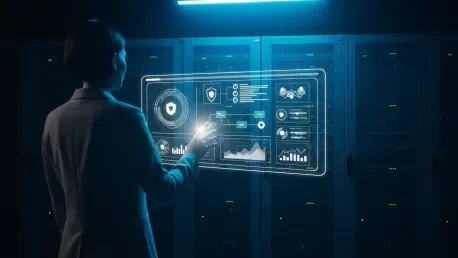

The rapid integration of physical security systems with cloud-based management platforms has fundamentally altered the way modern enterprises protect their most valuable physical and digital assets in an increasingly interconnected global economy. Organizations are moving away from reactive measures that only address incidents after they occur toward a proactive model that anticipates threats through advanced pattern recognition and environmental sensors. This transformation is driven by a need for agility in a workforce that is increasingly mobile and decentralized, requiring access solutions that are as flexible as the schedules of the employees using them. By integrating smart sensors, cloud analytics, and artificial intelligence, the modern workplace offers a seamless experience that prioritizes both occupant comfort and asset protection without compromising the operational efficiency required for success in a competitive market where every second of downtime counts.
The Historical Shift in Corporate Access
Moving Beyond Manual Barriers to Networked Control
Historically, office security relied on manual processes such as physical keys, paper logs, and front-desk receptionists, all of which were prone to human error and lacked any form of automated accountability. These legacy systems offered no real-time oversight, making it difficult to manage credentials for former employees or monitor activity after business hours effectively. The shift toward cloud networking has addressed these core vulnerabilities by transforming access control into a software-driven platform that lives on a secure server. Security administrators can now manage permissions across multiple global locations from a single dashboard, moving security away from localized hardware problems and into a centralized, scalable oversight model. This migration allows for instant updates and visibility that was previously impossible with mechanical locks, ensuring that a security breach in one branch can be mitigated across the entire corporate network in seconds.
Replacing Physical Fobs with Mobile Credentials
The introduction of mobile credentials has further streamlined this transition by replacing physical fobs and cards with smartphones and wearables that employees already carry with them. Using Bluetooth Low Energy and Near Field Communication technology, these digital keys reduce friction for the workforce while maintaining high levels of security that are significantly more difficult to replicate than a plastic card. This move toward a mobile-first approach not only eases the administrative burden of issuing and replacing physical items but also ensures that credentials are less likely to be shared among coworkers. Since people are generally more protective of their personal mobile devices than they are of a corporate badge, the risk of unauthorized credential sharing is naturally mitigated. Mobile systems also allow for over-the-air updates, meaning security protocols can be enhanced without requiring employees to visit a central office.
The Technological Infrastructure of Smart Offices
Authenticating Users through Biometric Readers and AI
At the heart of this transformation is a sophisticated stack of hardware and software, including smart biometric readers and AI-driven management dashboards that communicate constantly. These readers serve as the first line of defense, using unique physiological markers such as facial geometry or iris patterns to authenticate entry with a high degree of precision. Unlike traditional passwords or cards, these biological identifiers cannot be easily forged, providing a level of certainty that is essential for modern corporate environments. The cloud-based brain of the system monitors these hardware points in real time, processing thousands of data packets to ensure that the person at the door matches the digital identity on file. This synergy between physical hardware and cloud processing creates a barrier that is both formidable to intruders and nearly invisible to authorized personnel during their daily routines.
Automating Workplace Security via System Integration
The true power of smart security lies in its integration with existing business systems, specifically through Single Sign-On and building automation platforms that streamline workflows. By linking physical access to digital HR profiles, companies can automate the onboarding and offboarding process with high precision and speed. For instance, when an employee’s digital account is deactivated in the corporate directory, their building access is revoked instantly across all global sites, closing a common security gap. This integration eliminates the lag time associated with manual updates, where a former employee might retain access to a building for days after their termination. Furthermore, new hires can be automatically granted the appropriate permissions based on their job role and department, ensuring they have the tools they need from day one without requiring a manual ticket to the security department.
Strategic Implementation and Infrastructure Health
Utilizing Predictive AI and Blockchain for Verification
Looking ahead, several emerging technologies are set to define the next generation of office security, with blockchain and predictive AI algorithms leading the charge for innovation. Blockchain technology is gaining traction as a tool for creating tamper-resistant audit trails, offering a gold standard for verifiable records in high-compliance industries such as finance and law. By decentralizing the access logs, organizations can ensure that no single person, even a system administrator, can alter the history of who entered a specific room or accessed a sensitive cabinet. This level of transparency is critical for meeting strict regulatory requirements and providing peace of mind to stakeholders. The immutable nature of blockchain records means that in the event of a security audit, the data is inherently trustworthy and easily verifiable, reducing the time and expense associated with traditional reporting.
Hardening the Network Foundation against Digital Attacks
Successful implementation of these technologies requires a security-first strategy that focuses on infrastructure health and rigorous risk mitigation at every level of the stack. Organizations must ensure their internal network is robust enough to handle the increased IoT traffic, often segmenting it from core business data to prevent cyber-intruders from moving laterally. By placing security cameras and door readers on a dedicated virtual local area network, IT teams can monitor and control the traffic without risking the integrity of the company’s financial or personal data. This isolation is a critical defense mechanism in an era where every connected device represents a potential entry point for a hacker. A well-designed network architecture ensures that even if one component is compromised, the rest of the system remains shielded, preventing a single point of failure from becoming a catastrophic event.
Maximizing Security through Human Insight
Improving Organizational Safety through Behavioral Change
Beyond the technical requirements, the human element remains a critical component of a secure smart office and can often be the weakest link in a defense strategy. Technical safeguards can be easily undermined if employees engage in unsafe habits, such as propping doors open for convenience or neglecting to report lost mobile devices immediately. Therefore, comprehensive policies and regular training act as the load-bearing walls of any security strategy, ensuring that the technology is supported by responsible behavior. By fostering a culture of security awareness, organizations ensure that their high-tech investments are utilized correctly by a workforce that understands the importance of maintaining a secure environment. Training should focus on the “why” behind the protocols, helping employees see security not as a hurdle to their productivity but as a necessary protection for their own safety and professional work.
Delivering Operational Success across Diverse Sectors
The effectiveness of these integrated systems is already evident across various sectors, from healthcare to high-stakes manufacturing where precision is a requirement. In the technology sector, cloud-based systems have reduced IT management overhead by 40% by automating routine tasks and centralizing the oversight of disparate global offices. Healthcare facilities have utilized biometrics to maintain 100% audit trails for sensitive patient areas and pharmacies, ensuring that only authorized medical personnel can access restricted medications and records. These systems provide the necessary documentation to comply with strict medical privacy laws while improving the speed at which doctors and nurses can move through the hospital. In such high-pressure environments, the frictionless nature of modern access control directly contributes to better patient outcomes by allowing staff to focus on care rather than keys.
Future Considerations and Strategic Roadmaps
Implementing Zero-Trust Architectures for Resilience
The transition toward intelligent office ecosystems achieved significant milestones as organizations embraced the convergence of physical and digital security protocols. Decision-makers evaluated their current infrastructures and determined that the integration of artificial intelligence and Internet of Things sensors provided the only viable path for scalable safety. To maintain this momentum, leadership teams prioritized the segmentation of security networks and established rigorous firmware update cycles to defend against sophisticated cyber threats. They also invested in comprehensive employee education programs that shifted the corporate culture toward shared responsibility and vigilant observation. These proactive steps ensured that the workplace remained a secure harbor for both intellectual property and human capital. The focus shifted to the refinement of predictive algorithms and the adoption of blockchain for immutable record-keeping.
Strategic Resource Allocation for Long-Term Safety
To achieve long-term resilience, organizations prioritized the implementation of a zero-trust architecture where no device or user was granted automatic access based on location alone. This approach required continuous verification of identities through multi-factor authentication and real-time behavioral monitoring, ensuring that security remained dynamic. Facility managers also moved to integrate environmental sustainability with safety by using IoT data to reduce energy waste in unoccupied secure zones, proving that security investments could drive bottom-line efficiency. By adopting an open-standard software approach, businesses avoided vendor lock-in and ensured their systems remained compatible with future hardware innovations. These strategic decisions allowed firms to maintain a competitive edge while safeguarding their people, proving that a holistic view of technology was essential for modern success.