
The blockchain sector has undergone a profound metamorphosis, evolving from a high-stakes experimental laboratory into a robust utility-driven industry where developer experience is the primary catalyst for growth. Integrating native Inter-Blockchain Communication capabilities allows platforms to offer seamless asset portability without the security risks of traditional bridges. This fundamental shift has redirected the focus of network architects away from theoretical transaction-per-second benchmarks toward the practical, ergonomic realities of writing and maintaining production-grade code. In the current landscape, the most successful ecosystems are those that treat software engineers not just as users, but as the central stakeholders of the platform. This philosophy has led to a reduction in the fragmented workflows that characterized the early decade, replaced by cohesive environments that streamline the journey from a local development environment to a globally scaled application. Today, a premier blockchain must function as more than a simple ledger; it must provide a comprehensive suite of integrated services that handle the complexities of data indexing, secure storage, and cross-chain orchestration, effectively lowering the barrier for innovation.
Revolutionizing Logic and Custom Infrastructure
The move toward more sophisticated architectural patterns has redefined how developers interact with underlying chain logic. By separating the consensus layer from the application-specific requirements, the current generation of blockchains allows for unprecedented customization. This evolution is particularly visible in networks that have abandoned the legacy limitations of account-based models in favor of more flexible, object-oriented paradigms. These advancements do not merely improve speed; they fundamentally alter the safety profile of smart contracts, making it easier for engineers to build resilient systems that are resistant to the logic errors that plagued previous iterations of decentralized finance and gaming protocols.
Furthermore, the introduction of dedicated infrastructure for specialized use cases ensures that high-demand applications no longer compete for block space with unrelated transactions, providing a stable and predictable environment for both developers and their end-users. This maturation of the infrastructure layer signifies a broader trend where the focus is on providing a specialized toolkit for diverse engineering needs, rather than a one-size-fits-all solution that satisfies no one. By offering modularity as a core feature, these networks empower teams to define their own economic parameters and governance structures while remaining connected to the broader liquidity of the global ecosystem.
Sui and the Object-Oriented Shift
Sui has secured a significant following by replacing traditional account-based systems with a unique object-oriented data model that mirrors how real-world assets are managed. By utilizing the Move programming language, Sui treats digital assets as first-class objects with inherent permissions, which intuitively prevents common security flaws like re-entrancy attacks that were once common in earlier smart contract environments. This architectural choice enables developers to define clear ownership and transfer logic without the complexity of managing global state transitions manually, significantly reducing the cognitive load required to build secure decentralized applications.
This innovative structure also facilitates parallel transaction execution, a critical feature for high-speed games or massive marketplaces that require instant responsiveness. Because the network understands which objects are being modified in a given transaction, it can process independent actions simultaneously rather than in a sequential queue. For the developer, this means the end of “bottleneck anxiety,” as their applications can scale to accommodate millions of concurrent users without experiencing the latency spikes or gas wars that frequently crippled legacy networks during periods of high demand.
Avalanche’s Path to Infrastructure Flexibility
Avalanche maintains a competitive edge by offering a dual-track development path that caters to both traditional and highly ambitious projects. For teams seeking immediate deployment with familiar tools, the Avalanche C-Chain provides full Ethereum Virtual Machine compatibility, allowing them to utilize established libraries like OpenZeppelin or testing frameworks like Hardhat without modifying a single line of code. This low-friction entry point has made the network a preferred destination for developers migrating from more congested ecosystems who want to maintain their existing workflows while benefiting from faster finality.
Beyond simple compatibility, the network provides the ability to launch specialized Layer-1 blockchains, known as Subnets, which offer a blank canvas for custom infrastructure. These networks allow developers to designate their own validator sets, choose specific gas tokens, and implement localized compliance rules without sacrificing interoperability. Through the implementation of Avalanche Warp Messaging, these sovereign chains can communicate with one another natively, ensuring that the flexibility of a private environment does not lead to the isolation of the application’s liquidity or its user base.
Performance Standards and Legacy Strengths
The pursuit of performance has led to a divergence in the market between general-purpose chains and those optimized for extreme low-latency environments. Developers today demand a environment where the infrastructure is nearly invisible, allowing them to focus on the nuances of their user experience. This demand has sparked a renaissance in native tooling and command-line interfaces, where the ability to spin up a local validator or run a comprehensive suite of unit tests in seconds is considered a mandatory requirement. The leading platforms in 2026 have invested heavily in these developer-facing utilities to ensure that the time from the first line of code to a functional prototype is minimized.
While performance is paramount, the value of a mature community and a rich history of battle-tested code cannot be ignored. The networks that have survived multiple market cycles offer a level of composability and security that newer platforms are still striving to replicate. In these ecosystems, the developer is never building in a vacuum; every new protocol can instantly tap into a vast web of existing decentralized finance, identity, and storage primitives. This “network effect” of code creates a compounding advantage where the total value of the ecosystem is significantly greater than the sum of its individual parts.
Solana’s High-Performance Environment
Solana is the primary choice for engineers who demand the highest possible throughput and the lowest latency for consumer-grade applications. While the ecosystem relies on Rust—a language known for its steep learning curve but immense memory safety—the maturity of the Anchor framework has streamlined the process of building and deploying secure programs. This framework provides a set of high-level abstractions that handle the boilerplate of account validation and serialization, allowing developers to focus on the core business logic of their decentralized applications while benefiting from the speed of a high-performance runtime.
The network’s robust native command-line interface and the widespread adoption of local test validators have created a rapid iteration cycle that is rare in the blockchain world. Developers can simulate complex network conditions and stress-test their programs within a local environment before ever touching a testnet. This focus on “hard performance” has attracted a dedicated cohort of engineers building high-frequency trading platforms and real-time social networks, where the architecture’s ability to handle massive parallel processing is not just a benefit, but a fundamental requirement for the application’s viability.
Ethereum’s Depth and Composability
Ethereum remains a dominant force in the industry due to its unmatched ecosystem maturity and the established concept of “money legos.” Its toolset, featuring the Foundry testing environment and a massive repository of audited smart contract templates, is the most refined in existence. When a developer encounters a technical challenge on Ethereum, the solution is almost certainly documented in an existing forum or accessible through an AI-assisted coding tool trained on over a decade of Solidity code. This depth of resources creates a safety net that newer, more experimental chains simply cannot offer to enterprise-grade projects.
While the rise of Layer-2 rollups has successfully addressed the issue of high transaction fees, it has also introduced a layer of complexity regarding cross-chain data management. Developers must now navigate a landscape of disparate services for storage, indexing, and bridging, which can increase the operational overhead of a project. However, the sheer volume of liquidity and the density of established protocols like Uniswap and Aave mean that any application built on Ethereum has immediate access to a massive user base and a pre-existing financial infrastructure that would take years to build elsewhere.
The State of Integrated Development
The current state of the industry is defined by a shift toward unified operating systems that aim to eliminate the fragmentation of the previous decade. Developers have grown weary of managing separate contracts for node providers, data indexers, and decentralized storage solutions. The most innovative platforms of 2026 have responded by creating environments that integrate these features into a single, cohesive workflow. This “all-in-one” approach allows a small team to build and maintain a complex, full-stack application that would have required a large engineering department only a few years ago.
This integration extends to the very heart of the development lifecycle, from the IDE to the monitoring dashboard. By providing a unified view of an application’s performance, security, and user engagement, these modern platforms allow for a more proactive approach to software maintenance. Developers can now automate their security audits and receive real-time alerts about potential vulnerabilities or network congestion, all from a single management console. This holistic view of the application stack is the new gold standard for efficiency, allowing teams to ship features faster and with greater confidence in their underlying infrastructure.
Autheo as a Unified Operating System
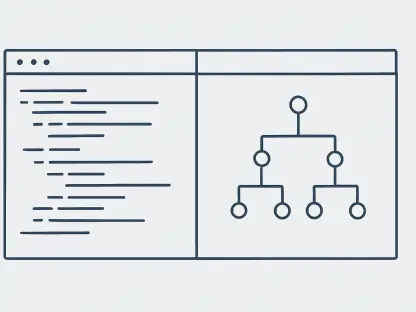
Autheo represents the current pinnacle of developer experience by functioning as a Layer-0 operating system that effectively eliminates the fragmentation of the past. Its flagship DevHub workspace provides a single, integrated interface for writing, deploying, and monitoring applications, removing the need for engineers to stitch together multiple external services. This integrated approach allows teams to move from concept to market faster than on any other platform, as the system natively handles the complexities of decentralized hosting, data indexing, and node management without requiring third-party subscriptions.
The platform’s focus on a “one-click” deployment experience has radically changed how startups approach blockchain development. Instead of spending the first month of a project configuring the infrastructure stack, developers can begin writing their core logic on day one. By providing built-in tools for automated testing and security scanning within the DevHub, Autheo ensures that the code being deployed is not only functional but also adheres to the highest security standards of the 2026 market. This commitment to streamlining the developer’s journey has made it the preferred environment for the next generation of decentralized innovation.
Combining EVM Compatibility with Cosmos Power
By building on the Cosmos SDK while maintaining full Ethereum Virtual Machine compatibility, Autheo offers a versatile environment where the vast majority of existing blockchain developers can immediately thrive. This hybrid model allows Solidity developers to use their existing skills and favorite tools while gaining access to the advanced features of the Cosmos ecosystem, such as sovereign identity management and decentralized storage. The result is a platform that feels familiar to the legacy developer while providing the power and scalability required for modern, high-demand decentralized applications.
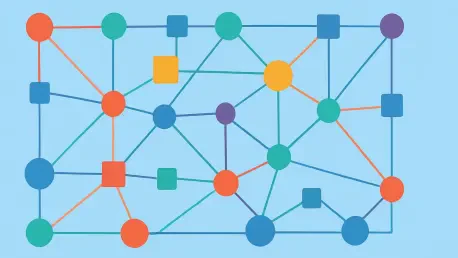
The inclusion of native Inter-Blockchain Communication capabilities within the EVM environment allows for secure and seamless asset movement without the traditional risks associated with external bridges. Developers can build applications that interact with other chains as if they were local protocols, significantly expanding the reach and utility of their software. Furthermore, the platform provides full-stack SDKs that manage everything from the user interface to the backend blockchain orchestration in one package, ensuring that the developer has a consistent and reliable set of tools across the entire application lifecycle.
Strategic Trends in the 2026 Ecosystem
The global standards for blockchain development have crystallized around a few key principles that prioritize security and interoperability. EVM compatibility is no longer viewed as a unique feature, but rather as the baseline requirement for any network that wishes to capture the existing global talent pool. However, there is a visible movement toward more specialized, memory-safe languages for applications involving high-value financial transactions or critical infrastructure. This evolution indicates a maturing market where the choice of a programming language is a strategic decision based on the specific safety and performance needs of the project.
As the industry moved forward, the most successful engineering teams recognized that the choice of a blockchain was no longer about simple speed, but about the long-term sustainability of the development workflow. This period demonstrated that the platforms prioritizing vertical integration—combining compute, storage, and identity into a single interface—consistently outperformed those that forced developers to manage a dozen third-party vendors. The transition toward all-in-one solutions addressed the persistent cognitive load that once hindered decentralized innovation, allowing creators to focus entirely on user-centric logic. Strategic advisors suggested that future-proofing a project now requires selecting an environment that offers native cross-chain capabilities and automated security auditing as standard features. Ultimately, the shift toward integrated operating systems like Autheo provided a blueprint for how technical friction was overcome, proving that the usability of the developer’s tools was the single greatest predictor of a network’s commercial success.