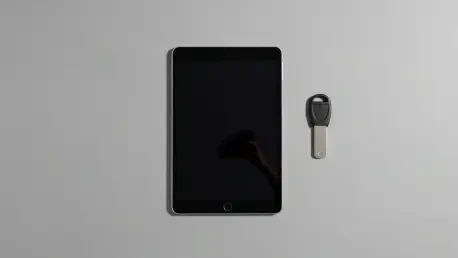

Cybercriminals have increasingly targeted mobile operating systems as the primary vector for credential theft and unauthorized account access through sophisticated phishing campaigns. This vulnerability has prompted a significant shift toward cryptographic security measures that eliminate the reliance on traditional, easily exploitable passwords. The introduction of the YubiKey Passkey Enabler for Android represents a critical milestone in this transition, providing users with a robust hardware-backed solution for managing passkeys directly on their mobile devices. By integrating seamlessly with the Android ecosystem, this tool allows for the creation and storage of passkeys on a physical YubiKey rather than relying solely on the internal storage of a smartphone. This architectural choice enhances security by ensuring that private keys never leave the physical device, even if the mobile operating system itself becomes compromised. As organizations move toward a passwordless future starting in 2026, such hardware-based innovations become essential for maintaining high-assurance security standards across diverse and often fragmented mobile environments. This development ensures that high-security protocols are not limited to desktops but are fully accessible to mobile professionals.
Strengthening Hardware-Backed Authentication on Mobile
Implementing hardware-backed passkeys on Android involves leveraging the FIDO2 and WebAuthn protocols to establish a secure handshake between the hardware key and the application. The new enabler simplifies this process by providing a streamlined interface for users to register their physical YubiKeys as primary or secondary authentication factors. Unlike software-based passkeys that reside in a device’s cloud-synced keychain, hardware passkeys offer an immutable layer of protection against remote extraction or synchronization vulnerabilities. This is particularly relevant for high-value targets in the financial and healthcare sectors where regulatory compliance mandates strict control over cryptographic materials. The enabler also addresses common friction points in the user experience by automating much of the configuration required to link external security keys with specific Android profiles. Consequently, users can achieve a level of phishing resistance that was previously reserved for desktop environments, now fully portable in a pocket-sized form factor that works across various manufacturers.
Android’s fragmented ecosystem often presents unique challenges for standardizing security protocols across different versions of the operating system and varied hardware specifications. The Yubico tool addresses these discrepancies by offering a consistent framework that developers can integrate into their existing mobile applications without extensive re-coding. By utilizing the Google Play Services FIDO API, the enabler ensures compatibility with a broad range of devices released from 2026 through the end of the decade. This development allows for a more unified security posture where the same physical key can be used to unlock an Android phone, a Chromebook, and a Windows workstation with equal reliability. Furthermore, the enabler supports both Near Field Communication (NFC) and USB-C connections, ensuring that even legacy Android tablets or newer foldable devices can utilize the hardware security modules. This versatility is crucial for maintaining operational continuity in environments where employees bring their own devices to work, as it decouples the security credential from the specific mobile hardware.
Strategic Implications for Enterprise Security Architectures
Enterprises are currently facing a dilemma where the demand for mobile productivity conflicts with the necessity of maintaining a closed and secure perimeter. The deployment of hardware-backed passkeys via the Android enabler provides a solution that satisfies both requirements by enabling secure, passwordless logins to corporate resources. IT administrators can now enforce policies that require a physical YubiKey for all mobile access to sensitive cloud databases or internal communication platforms like Slack and Microsoft Teams. This eliminates the risks associated with SIM swapping and intercepted SMS codes, which have historically been the weak points in multi-factor authentication strategies. Moreover, the ability to manage these credentials centrally through mobile device management (MDM) suites allows for the rapid revocation of access if a physical key is reported lost or stolen. By standardizing on a hardware-first approach, companies can significantly reduce their insurance premiums and overall risk profile while simultaneously improving the login experience for their remote workforce.
Organizations that prioritized the immediate adoption of the YubiKey Passkey Enabler for Android successfully mitigated the primary risks associated with mobile-first phishing and credential harvesting. To build upon this foundation, IT leaders evaluated their current authentication workflows to identify gaps where hardware keys could replace less secure biometric or software tokens. The implementation process involved updating internal security policies to mandate the use of FIDO2-compliant keys for all administrative and high-privilege accounts across the mobile fleet. Decision-makers also coordinated with application developers to ensure that custom internal tools supported the new passkey standards natively. Looking forward, the focus shifted toward expanding the lifecycle management of these physical assets to ensure that every employee maintained a backup key stored in a secure location. By treating the physical security key as a foundational element of the zero-trust architecture, businesses established a resilient defense that remained effective despite the evolving nature of cyber threats. These proactive measures ensured that the shift toward a passwordless environment remained both manageable and highly effective for the long term.