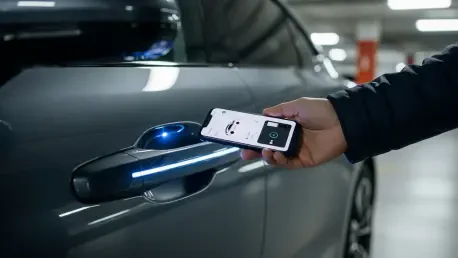

The familiar dance of fumbling for a key card or waiting for a smartphone app to connect with a vehicle may soon become a relic of the past for many drivers. For Tesla owners, access has been streamlined through the brand’s dedicated application and a physical key card, but an emerging integration promises an even more profound level of convenience and security. The prospective inclusion of Tesla’s digital key within Apple Wallet represents more than just a minor software update; it signals a fundamental shift in how we interact with our vehicles. This evolution moves the car key from a separate application into the core operating system of the device that is already central to modern life. By embedding vehicle access directly into the secure, native environment of an iPhone, the interaction becomes as effortless and instantaneous as a contactless payment, heralding a future where the line between personal technology and personal transport all but disappears, creating a single, cohesive user experience. This leap forward is poised to set a new industry standard for what consumers expect from a modern, connected car.
A New Paradigm of Seamless Interaction
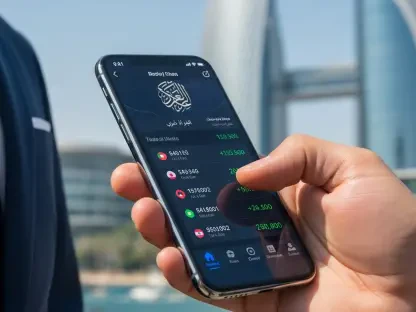
The primary advantage of integrating a digital car key into Apple Wallet lies in its ability to deliver an unparalleled level of seamless interaction, effectively eliminating the friction that currently exists between the driver and the vehicle. Instead of relying on the Tesla app to be running in the background or manually launching it to ensure a connection, this system-level integration would allow the iPhone to function as a key natively. This enables a simple yet powerful “Tap-to-Unlock” feature, where a user can simply hold their device near the door handle to gain access, mirroring the simplicity of using Apple Pay at a checkout counter. But the potential extends far beyond just unlocking doors. Deeper integration could create a highly personalized automotive experience, where the vehicle recognizes the specific user’s iPhone upon approach. This recognition could trigger a cascade of custom settings before the driver even enters, automatically adjusting the seat position, mirror angles, climate control, and even queuing up a favorite playlist or podcast. It transforms the car from a generic mode of transport into a personal space that adapts to its user’s preferences instantly and intuitively, all without a single button press.
Fortifying the Digital Key with Unmatched Security
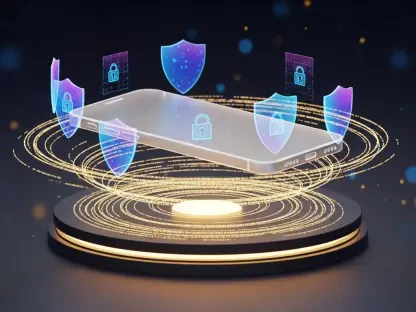
While convenience is a major driver of this technological shift, it is underpinned by a robust security architecture that inspires user confidence. By leveraging Apple’s well-established security ecosystem, the digital car key gains the protection of some of the most advanced consumer-grade security measures available. The key itself would be stored within the iPhone’s Secure Enclave, a dedicated hardware-based component designed to safeguard sensitive data from the main processor and potential software vulnerabilities. Access to the vehicle would be authenticated using the same biometric protocols that protect sensitive financial information: Face ID or Touch ID. This multi-layered approach ensures that only the authorized owner can access and operate the vehicle, providing a level of security that is often superior to traditional physical keys, which can be lost or copied. This integration effectively turns the vehicle into another secure endpoint within the user’s personal digital ecosystem, reassuring owners that their significant investment is protected by the same stringent protocols they trust for their banking and personal data, thereby mitigating concerns about digital theft in an increasingly connected world.
The Dawn of a Truly Connected Automotive Era
This proposed collaboration between two industry titans did more than just enhance the functionality of a single product line; it marked a definitive turning point in the relationship between the automotive and technology sectors. The move signaled the maturation of the car into a fully-fledged connected device, where the digital experience became as critical to the consumer as its horsepower or driving range. This integration established a new benchmark for the entire industry, creating an expectation among consumers that their vehicles should seamlessly integrate with the digital tools they use every day. Other automakers observed this development closely, recognizing that a sophisticated, secure, and intuitive digital key solution was no longer a luxury feature but a core component of the modern driving experience. The fusion of Apple’s user-centric design and Tesla’s innovative engineering ultimately accelerated the industry-wide trend toward a future where personal devices and vehicles were not just connected, but completely intertwined, paving the way for a new generation of smarter, more personalized, and profoundly more convenient mobility.