Imagine a world where creating a sleek, responsive user interface for complex audiovisual systems or Internet of Things setups takes hours instead of weeks, where developers of all skill levels can craft polished designs without wrestling with endless lines of code. This is no longer a distant dream but a reality brought to life by AVstudio Editor, an innovative HTML5 visual editor that’s reshaping the landscape of UI design in commercial integration. Born from real-world integration challenges, this tool, developed by AVstudio Inc., a spinoff of AVgator Inc., offers a fresh approach to tackling the inefficiencies of traditional coding methods. This review dives deep into the core strengths, recent advancements, and real-world impact of this technology, exploring why it stands as a pivotal solution for integrators and designers navigating the fast-evolving AV and IoT sectors.
Unpacking the Core Strengths
Seamless Integration Across Diverse Systems
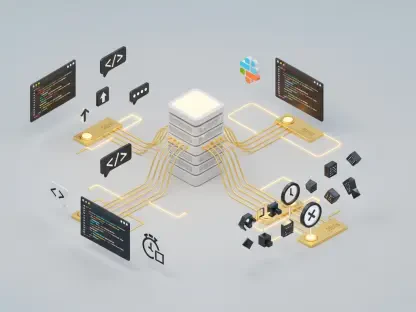
At the heart of AVstudio Editor lies its control-system-agnostic design, a feature that sets it apart in a field often bogged down by proprietary limitations. This flexibility allows the tool to integrate effortlessly with major platforms like AMX, Crestron, Q-SYS, and even Node-RED for IoT applications. Developers can design a single interface and connect it to various systems without starting from scratch each time, a game-changer for projects spanning multiple environments.
Moreover, the use of open standards such as web sockets and MQTT protocols ensures smooth communication across devices, whether in a high-end conference room or an industrial IoT setup. This adaptability not only saves time but also shifts the focus toward enhancing user experience rather than grappling with underlying technology, offering integrators the freedom to prioritize client needs over system constraints.
Revolutionizing Efficiency with WYSIWYG Design
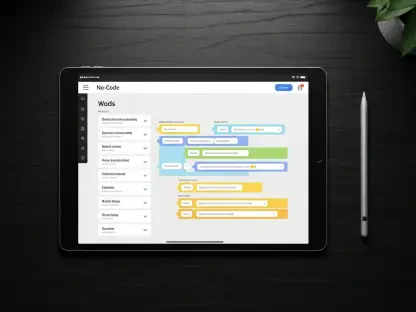
Another standout aspect is the What You See Is What You Get (WYSIWYG) interface paired with intuitive drag-and-drop functionality. These features slash development timelines by up to 80% compared to traditional HTML5 coding, transforming what once took days into mere hours. The live preview capability further boosts efficiency by allowing real-time adjustments, eliminating the tedious cycle of coding, testing, and redeploying.
This approach proves invaluable when handling last-minute client revisions, as changes can be made visually with immediate feedback. Unlike many competing tools that still demand significant manual input, AVstudio Editor streamlines workflows, ensuring a polished output without sacrificing speed or quality, a rare balance in today’s market.
Accessibility for All Skill Levels
Balancing simplicity with depth, the tool caters to a wide range of users, from novices in AV integration to seasoned web developers. Beginners can leverage its straightforward design features to create functional interfaces, while advanced users have the freedom to dive into custom JavaScript and CSS for tailored solutions. This dual focus ensures that no one is left behind, regardless of expertise.
Additionally, upcoming enhancements like a theme editor promise to simplify visual styling, enabling consistent aesthetics without managing endless variables. Such accessibility fosters quicker design cycles, boosts client satisfaction, and positions the platform as a versatile ally for teams of varying technical backgrounds, truly democratizing UI creation.
Cutting-Edge Innovations
App Container: A Leap into Offline Deployment
Recent developments have elevated AVstudio Editor’s capabilities with the beta release of App Container, a mobile application supporting offline deployment across iOS, Android, Windows, and macOS. This feature addresses a critical pain point by allowing projects to run in self-contained environments, free from dependency on online hosting, a significant step for mobile and remote applications.
Beyond mere deployment, App Container introduces added conveniences like push notifications and the ability to switch between projects seamlessly. This reflects AVstudio Inc.’s commitment to staying ahead of industry trends toward user-friendly, flexible tools, ensuring the platform remains relevant in an increasingly mobile-centric world.
Community-Driven Growth and Updates
Keeping pace with user needs, AVstudio Inc. actively incorporates community feedback into regular updates, refining the tool based on real-world input. From weekly documentation releases to hands-on workshops starting this year, the company demonstrates a proactive stance in addressing developer concerns and enhancing functionality.
This iterative approach not only builds trust among its growing user base but also ensures that the platform evolves in line with market demands. As new challenges emerge in UI design, such a responsive strategy helps maintain a competitive edge, solidifying its role as a forward-thinking solution in commercial integration.
Real-World Impact and Versatility
Transforming Commercial Integration Projects
In practical settings, AVstudio Editor shines through its deployment in complex commercial integration projects involving multiple rooms and systems. Its ability to streamline UI creation for diverse environments—think corporate boardrooms or university campuses—has proven invaluable, cutting down labor hours while maintaining high-quality outputs for end users.
Particularly noteworthy is its appeal to high-end clients seeking bespoke interfaces. The tool’s customization options allow integrators to meet specific aesthetic and functional demands, delivering premium experiences that stand out in a crowded market, thus enhancing client loyalty and project success rates.
Expanding into Industrial IoT Applications
Beyond traditional AV setups, the platform’s versatility extends into industrial IoT contexts, where seamless system communication is paramount. By supporting open protocols and agnostic integration, it enables tailored solutions for monitoring and control in manufacturing or logistics, showcasing its adaptability across sectors.
Such cross-industry applicability highlights the tool’s broader potential to influence how interfaces are designed and deployed. As IoT ecosystems continue to expand, this capability ensures relevance in emerging markets, offering integrators a robust tool to tackle diverse challenges with confidence.
Navigating Challenges and Limitations
Technical Hurdles with Legacy Systems
Despite its strengths, AVstudio Editor faces hurdles, particularly in integrating with older, legacy systems that may not fully support modern protocols. Ensuring consistent performance across such diverse platforms can pose technical challenges, occasionally slowing down deployment in outdated environments.
However, AVstudio Inc. is actively working to mitigate these issues through enhanced compatibility updates and detailed guides. By addressing these pain points head-on, the company aims to broaden the tool’s reach, even in less modernized setups, ensuring it remains a viable option for all project types.
Market Adoption Among Traditional Developers
Another obstacle lies in convincing traditional developers, accustomed to manual coding, to adopt a visual editor. Resistance to change can hinder widespread acceptance, as some may view the tool as limiting compared to full control over raw code, despite its customization features.
To counter this, efforts like targeted workshops and comprehensive support resources are in place to ease the transition. Demonstrating tangible benefits, such as time savings and improved outcomes, is key to shifting mindsets, gradually paving the way for broader market penetration among skeptics.
Looking Ahead to Future Potential
Anticipating Breakthrough Features
The future of AVstudio Editor appears bright with planned enhancements like an advanced theme editor to simplify styling further. Coupled with a full rollout of App Container, these updates promise to refine user experience and deployment options, potentially setting new benchmarks for ease and functionality in UI design.
Such innovations could redefine development workflows, making them even more intuitive over the coming years. As these features mature, they are likely to attract an even wider audience, reinforcing the tool’s position as a leader in its niche.
Shaping Industry Standards
Long-term, the platform holds the potential to influence industry standards, particularly around interoperability and user-centric design. By championing open standards and flexible integration, it could inspire a shift away from restrictive proprietary systems, fostering a more collaborative and accessible design ecosystem.
This vision aligns with broader trends toward efficiency and adaptability in technology. As more integrators recognize the value of streamlined tools, the ripple effects might reshape expectations, driving competitors to follow suit and ultimately benefiting the entire AV and IoT landscape.
Final Reflections and Next Steps
Looking back, the journey of AVstudio Editor revealed a transformative force that tackled inefficiencies head-on, delivering unmatched flexibility and speed to UI development. Its ability to cater to diverse systems and skill levels stood as a testament to thoughtful design, while innovations like App Container marked significant strides in practical application. For those in the AV and IoT sectors, exploring this tool emerged as a logical next step—testing its capabilities on a small project could uncover efficiencies previously unimagined. Moving forward, keeping an eye on upcoming features and community updates offered a way to stay ahead, ensuring integrators remained equipped to meet evolving client demands with confidence and creativity.