
The rapid evolution of digital platforms often leaves independent creators caught between the necessity of a modern interface and the overwhelming complexity of a full-scale rebuild. For an artist, a website is far more than a static portfolio; it functions as a primary gallery, an educational hub, and a direct-to-consumer storefront that must communicate a cohesive aesthetic while maintaining technical peak performance. Instead of discarding years of digital equity, many professionals are discovering that a targeted refresh offers a more sustainable path to brand elevation. This methodology focuses on identifying and repairing high-impact friction points rather than initiating a total overhaul. By merging artistic vision with data-driven design, creators have demonstrated how a collaborative partnership can modernize a brand’s digital footprint. This approach ensures the platform remains live, allowing the artist to grow their reach without interruptions.
Implementing Agile Workflows for Sustainable Growth
At the core of a successful digital transition lies the shift from rigid, project-based contracts to more flexible, priority-driven development cycles. The implementation of a “Daily Retainer” model allows design teams to tackle immediate technical bottlenecks and aesthetic inconsistencies without the bureaucratic delays of traditional site launches. This agile methodology ensures that the most critical updates—such as fixing broken links or optimizing image load times—are addressed first, providing an immediate boost to user experience. By working in short, focused sprints, the artist maintains control over the project’s direction while ensuring that the website remains a functional asset throughout the entire transformation. This strategy effectively eliminates the downtime that often paralyzes creative businesses during a redesign. It allows for real-time testing of new features, ensuring every modification serves a specific business goal rather than just adding visual flair.
Once the foundational workflow is established, the focus shifts to a comprehensive audit of the site’s narrative flow and conversion architecture. A multidisciplinary artist’s website must effectively categorize diverse offerings, from fine art and commercial commissions to workshops and educational content. By reorganizing the homepage to serve as a high-level overview of these various pillars, the design team creates a logical path that guides visitors through the artist’s unique story. Strengthening calls to action and integrating social proof through well-placed client testimonials transforms a passive viewing experience into an active sales funnel. This structural refinement ensures that visitors are not just admiring the work but are also being invited to participate in the artist’s ecosystem. Clearer navigation pathways reduce the cognitive load on the user, making it much more likely that a casual visitor will eventually become a loyal collector or collaborator.
Technical Flexibility: Enhancing Mobile Performance and Backend Autonomy
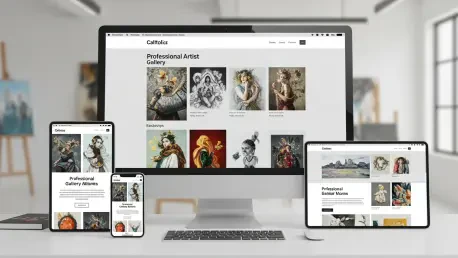
With the rise of handheld device usage, ensuring that a digital gallery is fully responsive has become a non-negotiable requirement for professional credibility. A mobile-first approach to a website refresh prioritizes quick loading speeds and intuitive touch-based navigation, which are critical for maintaining visibility in search engine rankings. By refining how visual elements adapt to smaller screens, the artist ensures that their work retains its impact regardless of the hardware used to view it. Seamless transitions between the portfolio, the biographical sections, and the online shop create a friction-free experience that keeps users engaged for longer periods. This technical polish is essential for capturing the attention of gallery directors and potential clients who often browse portfolios while on the go. Furthermore, a cohesive mobile experience reinforces the brand’s professionalism, suggesting a high level of attention to detail that mirrors the quality of the art.
Empowerment of the creator through backend innovation is another critical pillar of a strategic website refresh that yields long-term benefits. The development of custom WordPress plugins and simplified dashboard interfaces allows artists to manage their digital homes without a deep knowledge of coding. By creating a user-friendly environment where featured projects can be updated and new product listings can be launched with a few clicks, agencies provide their clients with true independence. This shift reduces the ongoing costs associated with hiring developers for minor maintenance tasks and allows the artist to react quickly to market trends or new opportunities. A flexible backend architecture also ensures that the site can scale as the artist’s career expands into new mediums or commercial ventures. This technical autonomy is particularly valuable for entrepreneurs who need to balance their creative output with the logistical demands of running a business today.
Streamlining Commercial Identity and Professional Communication
Strengthening the intersection of fine art and digital commerce requires a sophisticated approach to the user’s transactional journey and administrative backend. When an artist’s visual identity is strong, a generic checkout process can break immersion and erode the trust necessary for high-value purchases. Custom styling applied to the shopping cart ensures that every touchpoint feels like a deliberate extension of the brand. Beyond the storefront, the refresh addresses logistical challenges by optimizing communication through intelligent contact forms. By categorizing requests into streams like exhibitions or private commissions, the site acts as a digital gatekeeper that sorts and prioritizes professional interactions. This structural change streamlines inbox management, allowing for more efficient sorting of inquiries. Ultimately, these combined commercial and administrative refinements reduce friction for the buyer while freeing the artist to focus on their creative craft.
The successful transformation of a digital presence through a strategic refresh provided a blueprint for how artists leveraged technology to scale their impact. By choosing incremental improvements over a total overhaul, creators maintained their online authority while systematically removing the barriers that hindered their growth. The integration of agile workflows and custom backend tools allowed for a more sustainable management style that prioritized both technical excellence and creative freedom. Moving forward, the focus shifted toward utilizing these modernized platforms to host immersive experiences and deeper community engagements. Professionals who embraced this iterative approach found that their brands remained resilient in an ever-shifting marketplace. They established a foundation where future updates were implemented with minimal friction, ensuring that their websites evolved alongside their artistic vision. This evolution marked a significant turning point in digital identity.