
Imagine a world where your phone was just a device for calls and texts, where the idea of ordering dinner, managing your bank account, or tracking your steps with a single tap seemed like science fiction. That was the reality just ten years ago, when mobile apps were little more than quirky novelties—think basic calculators or clunky games. Fast forward to today, and apps have become the heartbeat of daily life, seamlessly blending into personal routines and business operations. This dramatic transformation isn’t merely a tech story; it’s a cultural shift, reflecting how deeply digital tools have reshaped society. From rudimentary beginnings to sophisticated platforms, the journey of app development over the past decade reveals a relentless drive toward innovation and user connection. This exploration dives into the pivotal trends that have fueled this evolution, unpacking the technologies, design philosophies, and societal changes that have turned apps from optional extras into absolute necessities. Whether you’re curious about the behind-the-scenes magic or the broader impact on the digital landscape, this narrative offers a window into a decade of relentless progress, highlighting the forces that continue to push the boundaries of what apps can achieve.
Mobile Apps as Cornerstones of Modern Life
The ascent of mobile apps over the last ten years marks one of the most profound shifts in how society functions. Once seen as mere conveniences—tools for quick weather updates or basic messaging—apps now underpin almost every aspect of daily existence. They’ve become the go-to for banking transactions, fitness tracking, social networking, and even remote work setups. This integration showcases a broader dependency on digital solutions, where smartphones are no longer just gadgets but lifelines to essential services. The transition reflects not just tech advancements but a fundamental change in user behavior, with expectations soaring for instant access and seamless functionality. As internet speeds have surged with innovations like 5G, the appetite for app-driven convenience has only grown, embedding these tools deeper into the fabric of life.
Moreover, this trend extends far beyond personal use into the business realm, where having a mobile app has shifted from a competitive edge to a baseline requirement. Companies across industries lean on apps to boost customer engagement, streamline internal processes, and maintain relevance in a cutthroat market. The absence of a digital presence via an app can spell obsolescence, as consumers increasingly favor brands that meet them where they are—on their phones. This reality underscores a cultural pivot toward digital-first strategies, where apps serve as bridges between businesses and their audiences. With smarter devices and connectivity improvements paving the way, the centrality of apps in both personal and professional spheres seems poised to intensify, signaling a future even more intertwined with mobile solutions.
Technological Foundations Driving App Innovation
At the heart of app development’s evolution lies a robust set of core technologies that have matured significantly over the decade. Programming languages such as Swift for iOS and Kotlin for Android have emerged as cornerstones, enabling developers to craft apps with precision and speed. Alongside these, frameworks like React Native have simplified the creation of dynamic interfaces, while APIs facilitate smooth communication between apps and external services. Databases like SQLite further support the storage and retrieval of critical user data, ensuring performance doesn’t falter under growing demands. This intricate ecosystem of tools has allowed app creation to scale from niche projects to global platforms, meeting user needs with ever-increasing sophistication. The focus on stable, reliable tech reflects an industry learning to balance complexity with efficiency.
Beyond these fundamentals, the integration of cutting-edge innovations has redefined what apps are capable of achieving. Machine learning now powers personalized experiences, tailoring content to individual preferences, while augmented reality introduces immersive elements, like visualizing furniture in a real room before purchase. These advancements, though exciting, come with a caveat—adopting them requires careful consideration rather than blind enthusiasm for the latest hype. Developers are tasked with aligning tech choices to specific project goals, ensuring that innovation serves a purpose rather than adding unnecessary clutter. This pragmatic mindset highlights a maturing field, one that values solid foundations while selectively embracing newer tools to push boundaries and enhance user engagement.
Cross-Platform Development: A Game-Changer for Efficiency
One of the most transformative trends in app development over the past decade has been the rise of cross-platform solutions. In earlier years, creating separate versions of an app for iOS and Android was a standard but grueling process, doubling both time and costs for development teams. Enter frameworks like Flutter and Xamarin, which champion a “write once, run anywhere” model, allowing a single codebase to deploy across multiple platforms. This shift has revolutionized the industry, slashing resource demands and enabling even small startups to launch apps with broad reach. The efficiency gained through this approach has made app creation more democratic, lowering entry barriers for aspiring developers and businesses alike.
However, the story isn’t without its nuances, as cross-platform apps can sometimes lag behind native counterparts in specific performance metrics. Despite this, ongoing improvements are narrowing the gap, with benefits like consistent user experiences across devices and simpler maintenance often tipping the scales in favor of cross-platform methods. This trend speaks to a growing consensus in the developer community that prioritizing speed to market and cost-effectiveness can outweigh minor drawbacks, especially for projects needing rapid deployment. As these tools continue to evolve, they’re reshaping how apps are built, pushing the industry toward a future where platform boundaries blur even further, fostering wider accessibility and innovation.
Redefining User Experience Through Thoughtful Design
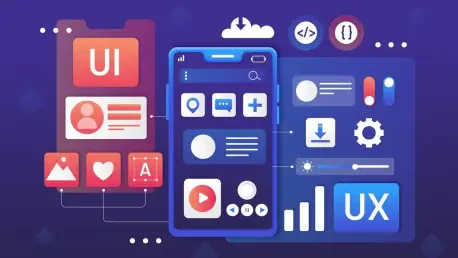
The focus on user experience (UX) and design in app development has undergone a remarkable overhaul in the last ten years, moving from cluttered chaos to streamlined simplicity. Early apps often bombarded users with flashy, overdesigned interfaces—think 3D buttons and crowded menus—that prioritized style over usability. Today, the philosophy has flipped, embracing minimalism with clean layouts, intuitive gestures like swiping, and a focus on making interactions feel instinctive. This pivot isn’t just aesthetic; it’s about crafting tools that users can navigate without a second thought, ensuring that technology fades into the background while solving real problems. The result is a landscape where the best designs are often the least noticeable, blending seamlessly into daily routines.
In tandem with this shift, accessibility has risen as a non-negotiable priority, broadening the reach of apps to diverse audiences. Features such as dark mode, adjustable text sizes, and voice controls aren’t just nice additions—they’re essential for inclusivity, catering to users with varying needs and preferences. Looking forward, the horizon hints at even more personalized designs, with interfaces potentially adapting in real-time to individual habits and behaviors. This user-centric ethos underscores a critical lesson in app development: success hinges on empathy, on understanding how people interact with tech. As design continues to evolve, the emphasis on effortless, inclusive experiences will likely remain a guiding principle, shaping how apps connect with users on a deeper level.
Cloud Computing: Fueling Accessibility and Scale
Cloud computing stands out as a transformative force that has reshaped app development by dismantling traditional infrastructure hurdles. A decade ago, launching an app often meant shelling out for costly physical servers, a barrier that stifled many small teams or solo creators. Now, cloud services offer scalable, affordable alternatives, handling everything from data storage for sprawling photo-sharing apps to real-time updates without the headache of manual server management. This shift has empowered developers to channel their energy into innovation rather than logistics, fundamentally altering who can participate in the app economy. The cloud’s role as an enabler has opened doors, allowing ideas to flourish without the burden of upfront investment.
Yet, this powerful tool isn’t without challenges, as issues like data security and rising costs with scale demand ongoing vigilance. Striking a balance between leveraging cloud capabilities and safeguarding user information remains a critical concern for developers. Despite these hurdles, the trajectory is clear—cloud computing has democratized app creation, making it feasible for smaller players to compete with tech giants. Its potential continues to expand, promising enhanced data processing and user support capabilities in the years ahead. This trend highlights a broader movement toward accessibility in tech, ensuring that the tools to build impactful apps are within reach for a wider array of creators, fostering a more diverse and dynamic digital landscape.
Looking Back to Shape the Future of Apps
Reflecting on the past decade of app development reveals a field that thrived on adaptability and a relentless push for better solutions. The leap from basic utilities to indispensable tools mirrored societal shifts, with mobile apps becoming central to how connections were forged and tasks were accomplished. Technologies like Swift and cross-platform frameworks streamlined creation, while cloud computing broke down barriers, enabling more minds to contribute to this space. Design evolved to prioritize user needs, embedding accessibility and simplicity as core values, and innovations like machine learning added layers of personalization that once seemed futuristic.
Taking these lessons forward, the path ahead calls for a commitment to flexibility and user trust as cornerstones for future growth. Developers should focus on building scalable, secure systems that can pivot with emerging trends, whether it’s deeper AI integration or breakthroughs in connectivity. Businesses must continue to see apps as vital touchpoints, investing in experiences that resonate with evolving expectations. For all stakeholders, staying grounded in best practices—clean code, regular updates, and a sharp focus on privacy—will be key to navigating the next wave of change. This decade’s journey proved that progress stems from solving real problems with thoughtful tech; carrying that mindset into the future promises a digital world even more attuned to human needs.