
Imagine a world where crafting a sophisticated website takes mere seconds, no coding expertise required, and costs a fraction of what it once did. This isn’t a distant dream but a reality unveiled at the annual State of the Word event in San Francisco. WordPress, a titan in the web development space, introduced Telex AI, an experimental tool poised to redefine how websites are built. Spearheaded by Matt Mullenweg, co-founder and CEO of Automattic, this innovation stole the spotlight, promising to democratize web design through AI-driven simplicity. The buzz surrounding Telex isn’t just hype; it’s a signal of a seismic shift in an industry often gated by complexity and expense. Let’s dive into the electric atmosphere of the event and explore what unfolded.
A Grand Reveal in San Francisco
The State of the Word event in San Francisco served as the perfect stage for WordPress to showcase its latest leap into the AI era. With Matt Mullenweg at the helm, the gathering drew a passionate community of developers, designers, and enthusiasts eager to witness the future of web creation. Telex AI emerged as the star of the show, introduced as a revolutionary tool for crafting Gutenberg blocks—those essential building components of WordPress sites. Mullenweg framed it as more than just software; it’s a movement toward making web development accessible to all, slashing both time and financial barriers. The significance of this launch resonated deeply, setting a tone of excitement and anticipation.
This wasn’t merely an announcement but a live testament to WordPress’s commitment to innovation. The event buzzed with discussions about how Telex could transform workflows, making complex tasks achievable with a few clicks. From the venue’s electric energy to the crowd’s eager murmurs, it was clear something monumental was happening. The stage was set for deeper insights, as attendees prepared to see Telex in action and grasp its full potential.
Breaking Down the Event Highlights
Matt Mullenweg’s Visionary Keynote
Mullenweg’s keynote was a masterclass in vision, painting a vivid picture of web design’s future with Telex AI. He demonstrated how the tool empowers users to build intricate Gutenberg blocks—like dynamic price comparison tools or real-time displays—without breaking a sweat. What once demanded thousands of dollars in developer fees can now be done at a fraction of the cost, a point he drove home with compelling clarity. This isn’t just about savings; it’s about leveling the playing field for novices and seasoned creators alike.
Beyond the financial impact, Mullenweg emphasized empowerment. Telex allows anyone with a WordPress site to tackle sophisticated design challenges using intuitive, AI-driven “vibe-coding.” His passion for inclusivity shone through as he described a world where technical barriers crumble, inviting a broader audience into the realm of web creation. The audience hung on every word, sensing the dawn of a new era.
Community Reactions and Shared Enthusiasm
The community’s response during open discussions was nothing short of electric. Developers and site owners alike shared a collective optimism about Telex’s potential to streamline their work. Specific examples, like Nick Hamze’s price comparison tool, became talking points, illustrating how quickly intricate features could be implemented. Integrations such as custom pricing tools and Google Calendar connections further fueled excitement, showing Telex’s versatility.
What stood out was the collaborative vibe permeating the room. Attendees weren’t just spectators; they were active participants, brainstorming how to push Telex’s boundaries on their own projects. This shared vision highlighted a unified belief in the tool’s capacity to enhance WordPress functionality, sparking ideas that promised to ripple through the community long after the event ended.
Interactive Learning in Telex Workshops
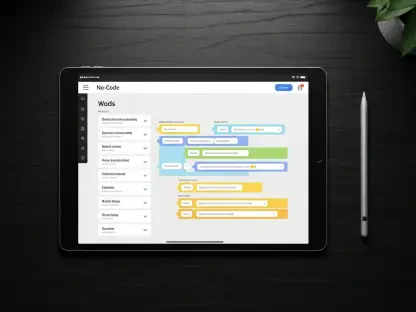
Hands-on workshops offered a unique window into Telex’s capabilities, drawing eager participants ready to test its limits. Attendees experimented with creating modular elements like uniform post grids and map integrations right in their browsers, marveling at the ease of use. The intuitive interface made complex tasks feel approachable, even for those with minimal technical know-how.
These sessions weren’t just about playing with a new toy; they were learning experiences that underscored Telex’s user-friendly design. Participants left with a tangible sense of accomplishment, having built components they could immediately apply to their sites. This direct engagement cemented the tool’s appeal, proving its practicality in real-world scenarios.
Dazzling Demos and Seamless Integrations
Live demonstrations of Telex brought its innovation into sharp focus, captivating the audience with every reveal. Features like partner logo carousels showcased aesthetic flair, while the adapter pattern for integrating with AI platforms such as Claude and Copilot highlighted technical prowess. These demos illustrated how Telex eliminates the need for custom coding or external expertise, streamlining the creative process.
Each demonstration reinforced Telex’s flexibility, showing how it adapts to diverse design needs with effortless precision. The crowd’s reactions—gasps of awe and bursts of applause—reflected a growing realization of the tool’s relevance in today’s fast-paced digital landscape. It was a powerful display of technology meeting practicality, setting a benchmark for rapid, feature-rich website creation.
Reflecting on a Landmark Moment
Looking back, the State of the Word event marked a pivotal chapter in web design history with the unveiling of Telex AI. The tool’s ability to simplify complex tasks, reduce costs, and enhance accessibility left an indelible impression on all who attended. From Mullenweg’s inspiring keynote to the hands-on workshops, every moment underscored a shift toward a more inclusive digital future. As the WordPress community moves forward, the challenge lies in harnessing Telex’s full potential—exploring new integrations and pushing creative boundaries. This event wasn’t just a showcase; it was a call to action for developers and site owners to reimagine what’s possible, ensuring that web creation becomes a craft open to everyone.