
Integrating preliminary sketches and videos of the creative journey offers clients valuable insights into a designer’s process. In the current landscape of 2026, a static gallery of completed projects no longer suffices to capture the attention of a discerning audience seeking authenticity and technical depth. A professional website serves as the digital headquarters for a studio, acting as both a silent salesperson and a primary touchpoint for brand storytelling. As virtual reality and high-definition rendering become standard tools in the industry, the way interior designers present their work must evolve to reflect these technological advancements. Establishing a robust online presence requires a strategic blend of visual artistry and technical performance, ensuring that the first impression is as polished as the physical spaces being showcased. This digital home provides a unique opportunity to curate an environment that communicates a designer’s specific ethos and professional standards effectively.
1. Partnering With a Reliable Professional
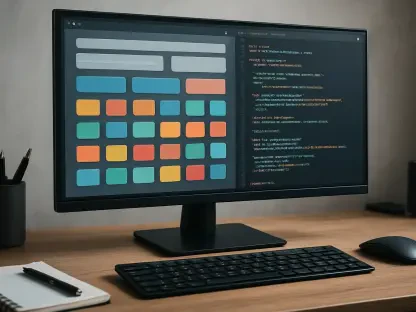
Attempting to construct a complex digital platform without professional assistance often leads to technical frustration and a diluted brand message. While modern site builders offer numerous templates, they frequently lack the granular control required to replicate the nuanced aesthetic of a high-end interior design firm. Partnering with a specialized web developer allows the designer to focus on their core creative strengths while ensuring the back-end infrastructure is secure and optimized for search engines. This collaboration ensures that the final product is not just a generic page but a bespoke digital experience that mirrors the quality of the furniture and finishes used in physical installations. A professional developer understands how to balance heavy visual assets with fast loading times, which is critical for maintaining user engagement. By delegating the technical implementation, a studio ensures that its digital representation is handled with the same level of care and precision that a contractor brings to a job site.
Effective collaboration with a digital partner relies heavily on a shared understanding of visual language and long-term business goals. It is essential to identify a web designer who possesses a portfolio demonstrating an appreciation for spatial balance and typography, as these elements are fundamental to interior design. Clear communication channels must be established early in the process to ensure that the creative vision is not lost in technical translation. A successful partnership involves frequent reviews and iterations, allowing for the refinement of navigation flows and interactive elements that enhance the storytelling process. This professional synergy results in a website that feels like a natural extension of the designer’s personality rather than a disconnected third-party tool. Investing in this level of expertise minimizes the risk of future technical debt and provides a scalable foundation that can grow alongside the studio’s evolving project list through 2027 and beyond.
2. Defining Your Unique Brand Identity
Before a single line of code is written, a designer must perform deep self-reflection to identify the core pillars of their creative practice. This involves analyzing past successes and defining the specific problems the studio solves for its clients. Understanding whether the brand stands for minimalist functionality or maximalist luxury dictates every subsequent design choice for the website. A strong brand identity acts as a filter, attracting ideal clients while filtering out those whose needs do not align with the designer’s strengths. This internal clarity prevents the website from looking like a disjointed collection of trends and instead presents a unified vision of professional excellence. When the identity is clearly defined, the website becomes more than a portfolio; it becomes a manifesto of the designer’s philosophy and a promise of the quality a client can expect. This foundational work is the most critical step in ensuring that the digital presence remains relevant and impactful in a crowded market.
Once the conceptual foundation is set, the brand identity must be translated into tangible digital elements such as logos, color palettes, and editorial tone. Consistency is paramount, as the website must evoke the same emotional response as walking into one of the designer’s physical spaces. The choice of fonts and imagery should complement the studio’s aesthetic, creating a seamless transition from the digital screen to the real-world portfolio. Professional copywriters can be engaged to ensure that the written content reflects the sophistication of the visual work, using language that resonates with the target demographic. This alignment between visual and verbal communication builds a narrative that is both compelling and trustworthy. Every element, from the favicon in the browser tab to the automated email responses, should reflect the brand’s unique voice. This holistic approach to branding ensures that the website remains a powerful asset for market positioning and high-level client acquisition.
3. Maintaining Thorough Documentation of Your Work
The efficacy of an interior design website is directly proportional to the quality of the visual content it hosts. High-resolution photography is non-negotiable, and it is often better to exclude a project entirely if the imagery does not meet professional standards. Investing in architectural photographers who understand how to capture light, texture, and scale ensures that the digital portfolio does justice to the physical craftsmanship. In 2026, viewers expect to see detail shots that highlight material quality alongside wide-angle views that showcase spatial flow. Each project featured should tell a complete story, from the initial challenges to the final transformation. Curating a portfolio that prioritizes quality over quantity prevents the user from becoming overwhelmed and keeps the focus on the designer’s best work. This commitment to excellence in documentation signals a high level of professionalism and attention to detail that prospective clients will value during the selection process.
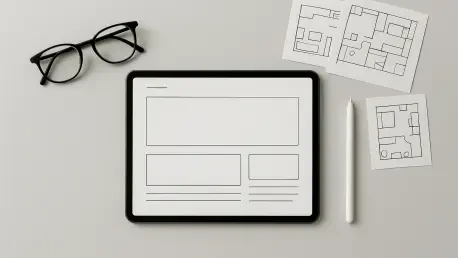
Beyond finished photos, including documentation of the creative process provides a layer of depth that humanizes the studio and justifies the design fees. Sketches, mood boards, and time-lapse videos of installations offer a behind-the-scenes look at the technical rigor involved in professional interior design. This transparency builds trust and educates the client on the value of the design process, making the studio’s services more tangible. By showcasing the evolution of a project, a designer demonstrates their problem-solving capabilities and the thought behind every aesthetic choice. This narrative approach engages the audience on an intellectual level, moving beyond simple visual appreciation to a deeper understanding of the studio’s expertise. Documentation should be viewed as an ongoing investment, with a strategy in place to capture assets at every stage of the project lifecycle. This rich library of content provides the material needed for social media, press features, and continuous website updates.
4. Including All the Fundamental Website Pages
A successful website structure prioritizes ease of use, ensuring that visitors can find essential information without unnecessary clicks. The core of any interior design site must include an informative About page, an organized Portfolio, and a clear Contact section. The About page should go beyond a simple biography to explain the studio’s philosophy and the specific value proposition offered to clients. The Portfolio section requires intuitive categorization, allowing users to filter projects by style, location, or room type. Meanwhile, the Contact page must be easily accessible and provide multiple ways for potential clients to reach out, including a simplified inquiry form. These fundamental sections form the backbone of the digital experience and must be executed with precision. Keeping the navigation menu simple and visible ensures that users remain on the site longer and reduces bounce rates. This logical flow guides the visitor through the brand story toward the final goal of professional engagement.
As the business matures through 2026 and into 2028, the website can be expanded to include specialized sections that support revenue growth and industry authority. Adding an online shop for curated furniture or a blog for design insights can transform the site into a multi-faceted resource. A dedicated services page can outline the different levels of design assistance available, from full-scale renovations to remote consultations. Including a section for press mentions and awards further solidifies the studio’s credibility and professional standing. These additional pages should be integrated carefully to ensure they do not detract from the primary focus on the portfolio. Each new section should serve a specific business objective and align with the overall brand identity established during the initial design phase. This modular approach to website development allows the studio to adapt to changing market trends and client needs without requiring a complete overhaul of the existing digital infrastructure.
5. Ensuring the Site Works Perfectly on All Devices
In an era where mobile traffic frequently exceeds desktop usage, a responsive website design is a requirement for professional survival. A site that fails to load correctly on a smartphone or tablet will inevitably alienate a significant portion of the target audience. Responsiveness means that the layout, images, and navigation automatically adjust to fit the screen size of the device being used. This technical flexibility ensures that the high-resolution images remain sharp and the text remains legible across all platforms. A mobile-first approach to design often leads to a cleaner, more efficient user experience even on larger desktop monitors. Interactive elements such as image sliders and contact forms must be touch-friendly and easy to manipulate on smaller screens. Ensuring that the digital portfolio is accessible anywhere and at any time increases the likelihood of spontaneous project inquiries. This focus on accessibility reflects a modern, client-centered business model that prioritizes convenience and high-tech functionality.
Regular testing across various browsers and operating systems is essential to maintain peak performance and visual integrity. As new devices are released between 2026 and 2027, the website must be updated to remain compatible with the latest web standards. Slow loading times are often caused by unoptimized images, which can be particularly detrimental on mobile networks. Implementing modern image formats and lazy-loading techniques allows the site to deliver high-quality visuals without sacrificing speed. Navigational menus should be simplified for mobile users, often utilizing a hamburger icon to keep the interface clean. The goal is to provide a seamless experience that feels native to every device, reinforcing the studio’s reputation for technical competence. A site that functions flawlessly on a mobile device communicates that the designer is forward-thinking and attentive to the modern client’s lifestyle. This technical reliability is a silent but powerful indicator of the quality of service the firm provides in its physical design projects.
6. Prioritizing Clarity and a Straightforward Layout
Visual clutter is the enemy of a professional interior design website, as it distracts from the work and confuses the user. A clean and straightforward layout allows the photography to take center stage, mirroring the balance and harmony found in well-designed physical spaces. Use of white space is a powerful tool for directing the viewer’s eye and creating a sense of luxury and calm. Intuitive navigation ensures that visitors can find the information they need in a matter of seconds, which is crucial for maintaining interest in a fast-paced digital environment. While it may be tempting to use complex animations or experimental layouts, these often come at the expense of usability and site speed. A refined design builds trust by presenting information in a clear, organized manner that respects the user’s time. This simplicity does not mean the site should be boring; rather, it should be sophisticated and purposeful, where every element contributes to the overall brand narrative.
Adding personality to a website can be achieved through subtle design details and unique micro-interactions that do not compromise the user experience. This might include custom hover effects on project images or a unique scroll behavior that feels smooth and intentional. These small touches provide a sense of discovery and delight, making the website memorable without being overwhelming. The layout should guide the visitor through a logical progression, starting with an impactful landing page and leading toward a clear call to action. Consistency in spacing, alignment, and sizing creates a professional polish that distinguishes a high-end studio from an amateur one. By focusing on a refined and easy-to-navigate interface, the designer ensures that the visitor’s primary takeaway is the quality of the work itself. This strategic focus on clarity and straightforward design creates a digital environment that is as inviting and well-planned as the homes and commercial spaces the firm creates.
7. Strategic Implementation of Digital Growth
The project team established a roadmap that prioritized the iterative improvement of the digital platform based on real-time user feedback and analytics. They implemented a policy of conducting monthly audits to ensure that all project descriptions and visual assets remained current with the studio’s latest achievements. This proactive approach allowed the firm to identify which sections of the site generated the most engagement, leading to more informed marketing decisions. The strategy included a plan for expanding the digital footprint through 2027, focusing on the integration of more interactive client portals and streamlined inquiry management systems. By maintaining this level of technical oversight, the studio successfully positioned itself as a modern leader capable of handling high-complexity projects. These actions ensured that the website remained a dynamic tool for business development rather than a static digital brochure. The focus remained on providing a high-value experience that translated into measurable growth and a stronger professional reputation.
Designers who succeeded in the competitive landscape of 2026 chose to treat their websites as living assets that required consistent nurturing and expert management. The transition to a more sophisticated online presence served as a catalyst for securing high-profile contracts and expanding into new geographical markets. The firm established a final review process that ensured every digital asset aligned with the overarching business objectives and reflected the highest standards of craftsmanship. This methodology proved that a well-structured website could function as the primary driver of brand equity and client trust. Future considerations included the adoption of even more advanced visualization tools, ensuring the studio remained at the cutting edge of technological innovation. These steps provided a definitive roadmap for long-term success, demonstrating that the intersection of design and technology is the key to professional longevity. Ultimately, the focus shifted from simple visual displays to a comprehensive digital narrative that invited prospective clients into the creative world of the studio.