
Introduction
A fascinating paradox has emerged in the tech industry: a company whose AI writes nearly all its own code is simultaneously on an aggressive hiring spree for software engineers. This situation, exemplified by firms like Anthropic and its Claude Code tool, challenges long-held assumptions about the future of software development. It signals not an end, but a profound transformation of the engineering profession. This article aims to explore this evolution, answering key questions about how artificial intelligence is reshaping the responsibilities, skills, and very definition of an engineer. Readers can expect to gain a clear understanding of why human ingenuity is becoming more critical than ever in a world where machines can write code.
The discussion will delve into the specific ways the engineer’s function is shifting from hands-on implementation to high-level strategic oversight. By examining the new demands of the role, it becomes clear that the industry is not heading toward a future with fewer engineers, but one where they are empowered to solve more complex problems. The focus is moving away from the “how” of coding and toward the “what” and “why” of building innovative products.
Key Questions
Why Hire Engineers When AI Writes the Code
The question arises from a seemingly logical assumption: if an AI model like Claude Code can generate nearly 100% of a company’s codebase, the need for human coders should diminish. Companies like Anthropic, however, demonstrate the opposite by actively recruiting top engineering talent. This paradox exists because the core value of an engineer has never been solely about the mechanical act of writing code. That task, while essential, is just one part of a much larger problem-solving process.
The reality is that AI tools are becoming incredibly proficient assistants, but they lack the strategic foresight and contextual understanding of a human expert. According to Boris Cherny, who was instrumental in creating Claude Code, AI handles the implementation, freeing up engineers to focus on more critical tasks. The true work of engineering lies in defining the problem, designing the solution, and ensuring it meets human needs—responsibilities that AI is not equipped to handle independently. Thus, companies are hiring engineers not to type code, but to direct the AI that does.
What Are the New Core Responsibilities for Engineers
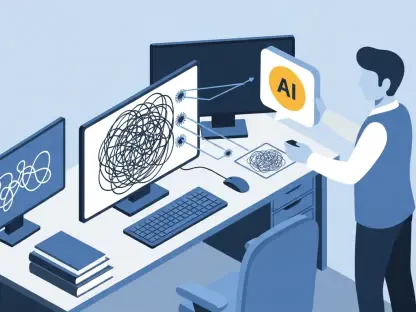
With AI taking over the bulk of routine coding, an engineer’s daily work is being redefined around uniquely human capabilities. The most significant new responsibility is skillfully prompting and guiding AI models. This involves articulating complex requirements and architectural constraints with such clarity that the AI can generate correct, efficient, and secure code. It is a dialogue between human intellect and machine execution, where the quality of the output depends entirely on the quality of the input.
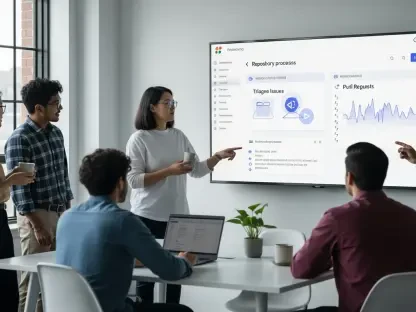
Moreover, responsibilities that were once considered “soft skills” are now central to the role. Engineers are spending more time communicating directly with customers to deeply understand their pain points and translate those needs into technical specifications. They are also essential for coordinating across product, design, and business teams to ensure that technical decisions align with overarching company goals. In essence, the engineer is the critical link who understands the user’s desires, the business’s strategy, and the technology’s capabilities, orchestrating them all to create a valuable product.
How Does This Change the Definition of an Engineer
This evolution fundamentally changes the engineer’s identity from that of a builder to an architect. A builder focuses on the immediate task of laying bricks and assembling components—a process analogous to writing lines of code. An architect, in contrast, operates at a higher level of abstraction. They design the blueprint, consider how the structure will serve its inhabitants, and oversee the entire construction process to ensure their vision is realized. This is the new paradigm for software engineers.
In this model, engineers provide the vision, taste, and strategic judgment. They make the critical decisions about what to build, how the system’s components should interact, and why a particular feature is more important than another. The AI acts as an incredibly fast and efficient construction crew, executing the architect’s plans. Consequently, the engineer becomes less of a hands-on craftsperson and more of a technical conductor, directing the AI to perform while focusing on the harmony of the final product.
Summary
The rise of code-generating AI does not signal the obsolescence of the software engineer; instead, it elevates the role to a more strategic function. The core takeaway is that engineering is shifting from a focus on implementation to one of architecture, strategy, and product vision. Human engineers remain indispensable for the tasks that require creativity, empathy, and critical thinking.
This transition places a new premium on skills beyond pure coding ability. While technical expertise remains a foundational requirement, the most valuable engineers are now those who also excel at communication, customer understanding, and cross-functional collaboration. They are the strategic thinkers who can identify the right problems to solve and guide AI tools to build the right solutions.
Conclusion
The analysis of this industry trend revealed that the engineer’s role underwent a significant transformation, not an elimination. The discussion highlighted how the automation of routine coding tasks freed professionals to concentrate on higher-value activities such as system design, strategic planning, and stakeholder collaboration. This shift affirmed that the future of engineering relies less on the mechanical act of writing code and more on the intellectual work of architectural vision and problem definition.
Ultimately, the move from builder to architect was shown to be a natural and positive progression for the field. It suggested that organizations should reconsider how they evaluate and develop engineering talent, prioritizing strategic and creative capabilities alongside technical proficiency. This evolution presented an opportunity for engineers to have a greater impact, moving from executing tasks to shaping the very direction of technology and innovation.