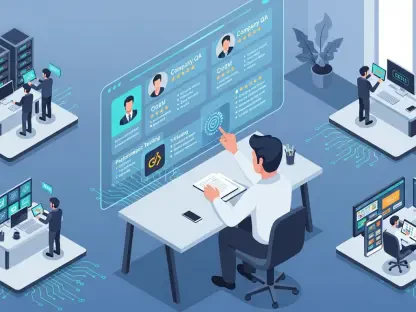

The traditional barrier between having a brilliant digital idea and actually launching a functional product has finally crumbled under the weight of sophisticated neural networks. Vibe coding represents a seismic shift in how we interact with technology, moving from syntax-heavy manual labor to high-level conceptual direction. By leveraging agentic AI, individuals can now translate vibes and abstract ideas into functional applications and websites without writing a single line of code themselves. This guide explores the methodology of vibe coding, offering a roadmap for hobbyists and professionals to navigate this burgeoning landscape of automated development.
Entering this space requires a fundamental change in mindset regarding what it means to create software. Instead of focusing on the placement of semicolons or the nuances of memory management, the creator focuses on the essence of the user experience and the logic of the workflow. This approach democratizes innovation, allowing anyone with a clear vision and the ability to articulate it to compete with established engineering teams in terms of rapid prototyping and deployment.
From Syntax to Sentiment: Why Vibe Coding Is Transforming the Industry
While traditional programming requires years of technical study, vibe coding prioritizes intent and communication. This evolution is driven by the rise of agentic AI—tools that don’t just predict text but can browse files, use third-party tools, and understand the architecture of a codebase. This shift ensures that the technical execution is handled by the machine, while the human remains the ultimate arbiter of taste and utility.
The Origin of the Vibe
The term entered the public consciousness as a way to describe the feeling of losing oneself in the flow of creation while the AI handles the heavy lifting. It suggests a state where the developer no longer views the code as a series of rigid instructions but as a fluid medium that responds to natural language and intent. This shift marks the end of the era where language barriers—specifically programming languages—prevented creative minds from realizing their digital potential.
Why Agentic AI Is the Secret Sauce
Agentic systems differ from basic chatbots because they possess a level of situational awareness that allows them to interact with the environment around them. Instead of simply generating a static block of code, these agents can read existing files in a repository, identify dependencies, and even execute terminal commands to install necessary packages. This capability transforms the AI from a simple autocomplete tool into a virtual teammate that can manage the complex logistics of a software project.
The Shift from Coding to Orchestration
In this new paradigm, the human role has transitioned from that of a bricklayer to that of an architect. Orchestration involves managing multiple AI agents, directing their efforts toward a cohesive goal, and ensuring that various components of an application work in harmony. This high-level oversight requires a deep understanding of what a product should achieve, even if the user cannot explain how the underlying JavaScript or Python actually functions.
A Step-by-Step Guide to Building Your First Project with AI
To successfully build an app using the vibe coding method, you must transition from a writer to a director, overseeing the AI as it performs the heavy lifting. This process is inherently conversational, requiring a blend of creative storytelling and logical structuring to guide the machine toward the desired outcome.
Step 1: Select the Right Vibe Coding Environment
Choosing a platform is the first hurdle, as different tools offer varying levels of autonomy and integration. The landscape is currently divided between browser-based playgrounds and more robust, locally installed applications that can access your entire computer system. Selecting the right environment depends largely on the complexity of the project and your comfort level with setting up local development folders.
Comparing All-in-One Workspaces vs. Standard Chatbots
All-in-one workspaces provide a unified interface where the chat window, file explorer, and live preview exist side by side. These are generally superior to standard chatbots because they maintain the state of your project across long sessions. While a standard chatbot might forget a specific variable name from three prompts ago, a dedicated workspace keeps the entire project structure in its active memory, leading to fewer hallucinations and more consistent results.
Utilizing Integrated Development Environments Like Cursor and Windsurf
Modern IDEs specifically built for AI interactions, such as Cursor or Windsurf, represent the gold standard for vibe coding. These tools are designed to index your local files, allowing the AI to understand the context of every script and style sheet you have created. They offer features like codebase-wide search and the ability to apply changes directly to multiple files simultaneously, which drastically accelerates the development cycle compared to manual copy-pasting.
Step 2: Define Your Vision with Granular Detail
The vibe may be the starting point, but clarity prevents the AI from making catastrophic assumptions about your project’s goals. An effective initial prompt acts as the foundation of the entire application, setting the tone for the design and the boundaries for the functionality. Without a strong starting point, the AI may default to generic templates that lack the unique flair you intended for your project.
The Power of Tangible Examples in Your Initial Prompt
Using references to existing websites or apps helps the AI understand the aesthetic and functional standards you expect. For instance, telling an agent to build a dashboard that feels like a minimalist financial app provides more direction than simply asking for a clean interface. Providing specific color hex codes, font preferences, or even descriptions of button behaviors can significantly reduce the number of iterations required to reach a polished product.
Breaking the Project Into Manageable Chunks
Large, monolithic requests often lead to confusion and errors in the generated code. It is far more effective to request one feature at a time, such as starting with a landing page before moving on to user authentication or database integration. This modular approach allows the AI to focus its computational power on solving specific problems, making it easier for the human director to verify that each piece works correctly before moving on.
Step 3: Iterate and Refine Through Conversation
Vibe coding is rarely a one-shot process; it requires a back-and-forth dialogue to polish the user interface and functionality. You should view every error message or design quirk as an opportunity to refine your instructions. The beauty of this method lies in the fact that you can describe problems in plain English, and the AI will work through the technical debugging process on your behalf.
Handling Bugs and Hallucinated Logic
When the AI produces code that doesn’t work, the best approach is to feed the error message directly back into the chat. Agentic tools can often diagnose their own mistakes by re-examining the code they just wrote and looking for logical inconsistencies. This iterative loop is where the most learning happens, as you begin to understand the limitations of the model and how to adjust your “vibes” to get better results.
Requesting Deployments and Publishing Instructions
Once the application functions locally, the next step is getting it live on the internet. You can ask your AI agent to explain the deployment process for platforms like Vercel, Netlify, or AWS. Many of these tools can even generate the necessary configuration files or GitHub Actions scripts to automate the publishing process, effectively acting as a DevOps engineer for your project.
Step 4: Validate and Secure Your Codebase
Because AI can occasionally make catastrophic errors in judgment, human oversight remains the final line of defense. Even if the application looks perfect and runs smoothly, there may be invisible vulnerabilities hidden within the logic. Taking the time to perform a final review ensures that your creation is not only functional but also safe for public use.
Triple-Checking the Output for Security Flaws
AI models may inadvertently use outdated libraries or suggest insecure methods for handling user data. It is crucial to ask the agent specifically to review the code for security best practices, such as SQL injection protection or proper API key management. This extra layer of scrutiny prevents common pitfalls that could lead to data leaks or site crashes once the project is live.
Testing Functionality Across Different Environments
A website might look great on your desktop but break entirely on a mobile device or a different browser. You should instruct the AI to optimize for responsiveness and to check for cross-browser compatibility issues. By simulating different user environments during the testing phase, you ensure that the final product provides a consistent and professional experience for every visitor.
Core Principles for Successful AI-Driven Development
- Start Small: Begin with fun, contained projects like a custom Wordle clone or a personal portfolio to build confidence in the toolset.
- Prompt with Precision: Provide as much context as possible, including intended audience and specific use cases, to minimize AI guesswork.
- Modularize Your Workflow: Tackle one feature at a time to keep the AI focused and maintain a clean, understandable codebase.
- Cross-Model Verification: Try different LLMs like Claude, GPT, or Gemini to see which handles your specific logic or design requirements most effectively.
- Always Audit: Never push AI-generated code to production without a thorough functional test to ensure everything works as intended under real-world conditions.
The Future of the Developer Role in an Agentic World
As vibe coding matures, the boundary between non-technical and technical users will continue to blur, potentially making everyone a developer. However, this transition brings challenges, such as the risk of rogue agents deleting databases or the accumulation of technical debt from unoptimized AI code. Future developments suggest a move toward more structured vibe coding, where AI agents generate design documents and perform their own quality checks, further mimicking the workflow of a human engineering team. The developer of the future will likely spend less time typing and more time auditing, ensuring that the outputs of these powerful agents align with ethical standards and long-term business goals.
Final Thoughts on Mastering the Vibe
Vibe coding proved to be more than a viral trend; it represented the genuine democratization of digital creation. By focusing on the conceptual vision and letting AI handle the underlying technical complexities, builders brought ideas to life at a speed that was previously unimaginable. The most successful creators realized that while the machine could write the lines, the human spirit provided the direction and purpose. Moving forward, the emphasis shifted toward developing a sharp critical eye and a mastery of prompt engineering. Those who embraced this change found themselves at the forefront of a new creative economy where the only limit was the clarity of their imagination. The journey into automated development showed that even in a world of algorithms, the most important element remained the human intent behind the screen.