
The rapid proliferation of generative artificial intelligence has fundamentally reshaped the digital productivity landscape, moving beyond single-purpose tools to create something far more cohesive and powerful. Integrated AI Workspaces represent a significant advancement in the productivity software sector. This review will explore the evolution of these platforms, their key features, performance metrics, and the impact they have had on various professional and creative applications. The purpose of this review is to provide a thorough understanding of this technology, its current capabilities, and its potential future development.
The Dawn of the All in One AI Platform
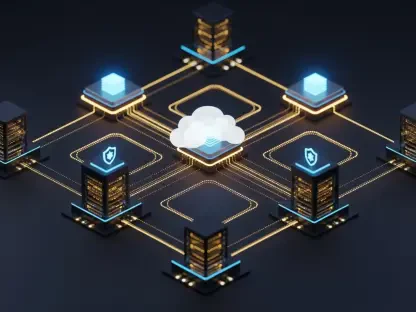
Integrated AI workspaces have emerged as a powerful new category of software, built on the core principle of consolidating a diverse array of generative AI tools into a single, cohesive environment. Unlike their predecessors, which specialized in a single function like text generation or image creation, these platforms offer a unified interface where users can seamlessly switch between writing articles, generating code, designing visuals, and conversing with an AI assistant. This consolidation is designed to create a frictionless workflow where every necessary tool is readily accessible.
The rise of these platforms is a direct response to the growing issue of “tool fatigue.” As professionals and creators adopted AI, they quickly found themselves managing a patchwork of subscriptions and browser tabs, each dedicated to a different application. This fragmented approach created inefficiencies, breaking creative momentum and complicating project management. Integrated workspaces solve this by centralizing the creative process, allowing a project to evolve from concept to completion within one digital ecosystem, thereby preserving focus and enhancing productivity.
These all-in-one solutions signify the next evolutionary step in human-computer collaboration. They are transforming AI from a collection of discrete utilities into a persistent, context-aware partner. By embedding various AI capabilities into a singular workspace, these platforms foster a more dynamic and interactive relationship between the user and the technology. This shift is not merely about convenience; it represents a move toward a more intuitive and synergistic model of work, where AI augments human intellect throughout the entire creative lifecycle.
Deconstructing the Integrated AI Workspace
Unified Text and Content Generation
At the heart of every integrated AI workspace lies a sophisticated suite of text-based tools designed to support the complete content creation process. These platforms typically include advanced AI writers capable of drafting everything from emails and social media posts to detailed reports. Beyond initial generation, they incorporate powerful editors for refining tone and clarity, summarizers for condensing long documents into key points, and specialized long-form article wizards that guide users through outlining and drafting extensive pieces.
The true innovation, however, is how these individual components work in concert to streamline the entire content pipeline. A user can begin by brainstorming ideas with a chat assistant, use an article wizard to structure those ideas into a coherent outline, and then generate a first draft. Subsequently, the same platform’s editing and summarizing tools can be used to polish the text and create derivative content, such as a summary for a newsletter or key takeaways for a presentation. This seamless integration eliminates the friction of exporting and importing content between different applications, allowing for a fluid and efficient workflow.
Multi Modal Creative Capabilities
Modern creative projects rarely rely on text alone, a reality that integrated AI workspaces address by incorporating multi-modal generation capabilities. These platforms now commonly feature text-to-image tools, allowing users to produce custom visuals, illustrations, and infographics directly within their project environment. This eliminates the need to source stock photography or switch to a separate AI image generator, ensuring visual assets are perfectly aligned with the textual content being produced.
The significance of having visual and auditory creation tools alongside text generation cannot be overstated. This integration enables a holistic project approach, where a marketing professional, for example, can write ad copy, generate a corresponding image, and even draft a script for a promotional video within a single interface. As text-to-audio and text-to-video technologies mature, their inclusion in these workspaces will further break down the barriers between different media formats, empowering creators to produce rich, multi-faceted content with unprecedented efficiency.
Conversational AI as a Central Hub
The AI chat or assistant feature serves as the conversational core of the integrated workspace, acting as a central hub for interaction and command execution. Far more than a simple question-and-answer bot, this component functions as a dynamic partner in the creative process. It is the primary interface for brainstorming, where users can explore ideas, debate concepts, and receive instant feedback. This conversational paradigm lowers the barrier to entry for complex tasks and fosters a more natural, collaborative experience.
This conversational AI is deeply intertwined with the other tools in the workspace, providing context-aware assistance that enhances their functionality. For instance, a user can ask the assistant to “suggest three potential titles for the article I’m currently writing” or “generate a Python script to analyze the data discussed in this document.” By understanding the user’s current context, the assistant can provide highly relevant support, acting as a command line, a research aide, and a creative sounding board all at once.
Embedded Code and Development Assistance
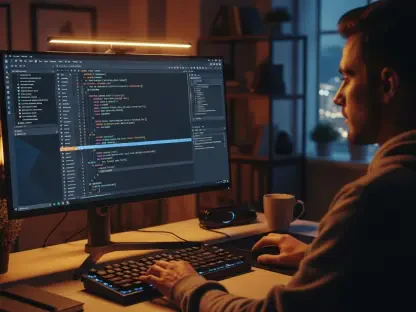
To serve the needs of a technically diverse user base, many integrated AI workspaces now include embedded tools for AI-powered code generation, debugging, and documentation. These features can generate code snippets in various programming languages based on natural language prompts, helping users automate tasks, build simple prototypes, or understand complex algorithms. The integration of these tools means a technical writer can draft an article and simultaneously generate the code examples needed to illustrate it.
The utility of these embedded assistants extends beyond professional developers. For students learning to code, they offer a powerful educational tool for understanding syntax and logic. For marketers and data analysts, they provide a means to create simple scripts for data processing or automation without requiring deep programming expertise. While they may not replace specialized integrated development environments (IDEs), their performance is more than sufficient for a wide range of common coding tasks, making them a valuable component of the all-in-one productivity promise.
Current Trends and Recent Innovations
The evolution of integrated AI workspaces is accelerating, with the latest developments marking a significant shift from basic tool consolidation to deep, workflow-aware integration. Early platforms were essentially collections of separate AI tools housed under a single brand. In contrast, today’s leading workspaces enable seamless data and context transfer between different modules. A marketing campaign outline developed in the chat module can, for instance, automatically inform the structure of a long-form article and suggest prompts for generating related visual assets, creating a truly interconnected system.
Emerging trends are further pushing the boundaries of what these platforms can do. Real-time collaborative features are becoming standard, allowing teams to work together on AI-driven projects in a shared environment, much like they would in a modern document editor. Furthermore, customization is becoming a key differentiator, with platforms offering the ability to build custom workflows and integrate with third-party applications like project management software or cloud storage services. This allows organizations to tailor the workspace to their specific operational needs.
These innovations are largely driven by evolving user behavior and expectations. As users become more sophisticated in their application of AI, they are demanding more personalized and predictive assistance. This is leading to the development of platforms that learn from an individual’s work habits to anticipate needs, suggest relevant actions, and proactively organize information. The future is moving toward an assistant that not only responds to commands but actively participates in optimizing the user’s workflow.
Real World Impact and Applications
The practical applications of integrated AI workspaces span a wide range of professional and academic fields. For content marketers, these platforms have become an indispensable tool for executing end-to-end campaigns. They can brainstorm strategy with the AI assistant, draft blog posts and social media copy, generate accompanying visuals, and even create scripts for video content, all within a single, unified workflow. This dramatically reduces the time and resources required to launch multi-channel marketing initiatives.
The impact is equally significant for other user segments. Students use these workspaces to organize research, outline essays, draft papers, and create presentations, streamlining the academic process from initial research to final submission. Software developers leverage the embedded coding tools to accelerate prototyping and automate documentation, freeing them up to focus on more complex problem-solving. Small business owners can manage communications, create marketing materials, and even draft business plans, effectively gaining a versatile digital assistant that supports diverse operational needs.
Navigating the Challenges and Limitations
Despite their rapid advancement, integrated AI workspaces are not without their challenges. One of the primary concerns is the “jack-of-all-trades, master-of-none” dilemma. While these platforms offer impressive versatility, their individual tools may not always match the performance of specialized, single-purpose AI applications. A professional graphic designer, for instance, may still find that a dedicated AI image generator offers more granular control and higher-quality output than the one embedded in an all-in-one workspace.
Moreover, the centralization of project data within a single platform raises critical issues of data privacy and security. Storing sensitive corporate information, proprietary code, or personal research in one cloud-based environment creates a high-value target for security breaches and introduces the risk of vendor lock-in, making it difficult to migrate data to another service. Users must carefully evaluate the security protocols and data handling policies of any platform they consider adopting. In response, providers are working to mitigate these limitations through more transparent policies, enhanced security measures, and by offering specialized models that improve the performance of individual tools within the integrated suite.
The Future of AI Powered Productivity
The future trajectory of integrated AI workspaces points toward even deeper integration and greater autonomy. The next generation of these platforms will likely feature proactive AI agents that do more than just respond to commands. These agents will anticipate user needs based on project context and past behavior, automatically organizing files, suggesting next steps in a workflow, and surfacing relevant information before it is even requested. This shift will transform the workspace from a reactive tool to a proactive partner in productivity.
Breakthroughs in personalization will enable these platforms to adapt to individual work habits, learning a user’s unique writing style, coding preferences, and design aesthetic to provide assistance that is truly tailored. We can also expect the integration of complex project management capabilities, allowing the AI to not only assist with tasks but also to manage timelines, allocate resources, and track progress toward project goals. In the long term, these platforms are poised to fundamentally reshape the nature of creative and professional work, blurring the lines between ideation, creation, and execution and empowering individuals to achieve new levels of efficiency and innovation.
Final Verdict and Key Takeaways
The current generation of integrated AI workspaces represents a transformative step forward in productivity software. Their core strength lies in unifying a diverse set of AI tools into a single, streamlined environment, effectively combating tool fatigue and fostering a more fluid creative process. By combining text, image, code, and conversational AI, they provide a powerful, all-in-one solution that supports the entire lifecycle of a project, from initial brainstorming to final production. However, their primary weakness remains the potential for their individual components to be outperformed by specialized, best-in-class applications.
Overall, the technology has reached a state of maturity that makes it ready for mainstream adoption across a wide range of industries. For professionals, students, and creators who value efficiency and a holistic approach to their projects, the benefits of a unified workflow often outweigh the marginal performance gaps with standalone tools. These platforms are successfully redefining productivity standards by enabling users to accomplish more in less time and with less friction. Their continued evolution promises to further deepen the collaboration between humans and AI, fundamentally altering the landscape of digital content creation and information processing.