
The multiyear strategic technology partnership between SAP SE and Syngenta represents a significant advancement in the agricultural sector, moving beyond incremental improvements to fundamentally reshape how the industry innovates and operates. This review will explore the evolution of this collaboration, its key technological components, performance goals, and the impact it is poised to have on agricultural innovation and operations. The purpose of this review is to provide a thorough understanding of this AI-driven transformation, its current implementation strategy, and its potential future development.
The Strategic Imperative for an AI-Driven Partnership
The collaboration between SAP and Syngenta emerges from a clear recognition of pressing global challenges, including climate variability and the need to sustainably feed a world population projected to reach 10 billion by 2050. These immense pressures are rendering traditional agricultural models insufficient, creating a critical demand for transformative solutions. The partnership, therefore, is not merely a technological upgrade but a strategic response to an environment where operational resilience and rapid innovation are paramount.
In this context, integrating advanced technologies like artificial intelligence is no longer optional but a competitive necessity. For an industry leader like Syngenta, the ability to harness data for predictive insights, optimize complex global supply chains, and accelerate research and development is central to future-proofing its operations. This initiative signals a broader industry shift toward leveraging intelligent systems to drive sustainable growth and maintain a competitive edge.
Core Technological Pillars of the Transformation
Building a Modern Digital Foundation
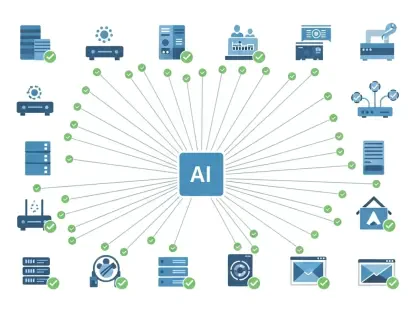
At the heart of this transformation is Syngenta’s adoption of SAP Cloud ERP and SAP Business Data Cloud, which together establish a modern digital core. These solutions are engineered to streamline and unify Syngenta’s core operations, replacing fragmented legacy systems with a cohesive, cloud-based infrastructure. This modernization is the critical first step, creating the agility needed to respond to market dynamics in real time.
This new foundation also establishes a unified and secure data layer, which is essential for the effective deployment of AI. By consolidating information from across the value chain, the SAP Business Data Cloud ensures that AI models are trained on high-quality, consistent data. This enables more accurate, data-driven decision-making, from procurement and logistics to product development and grower engagement.
Activating Intelligent Decision-Making
Building upon this solid data foundation, the partnership introduces SAP Business AI and AI-assisted tools like the Joule copilot. These technologies are designed to embed intelligence directly into business processes, moving beyond simple automation to augment human capabilities. The goal is to foster smarter, faster decisions at every level of the organization, driving significant gains in operational efficiency.
The implementation of these AI tools is set to accelerate the pace of innovation within Syngenta. By analyzing vast datasets to identify patterns and predict outcomes, AI can shorten development cycles for new agricultural products and solutions. This capacity for accelerated innovation is crucial for addressing the rapidly evolving needs of growers and the broader challenges facing global food systems.
The Emergence of an AI-First Operating Model
This partnership represents a definitive move toward an AI-first operating model, a trend that is beginning to reshape the agricultural landscape. By embedding intelligence at the core of its enterprise, Syngenta is not just adopting new tools but fundamentally redesigning its operational philosophy. This initiative serves as a benchmark for the industry, demonstrating a comprehensive strategy for integrating AI into every facet of a global business.
The SAP-Syngenta collaboration is poised to influence the industry’s trajectory by showcasing the tangible benefits of a deeply integrated AI strategy. As other organizations observe the gains in efficiency, agility, and innovation, this model is likely to become a new standard for digital excellence. This shift signifies a maturation of digital transformation in agriculture, moving from siloed projects to holistic, enterprise-wide intelligence.
Real-World Applications Across the Agricultural Value Chain
The practical applications of this technology partnership will be felt across Syngenta’s entire value chain. In logistics and supply chain management, the enhanced data visibility and predictive analytics will improve agility and resilience, allowing the company to better navigate disruptions and optimize inventory. This ensures that essential products reach growers precisely when they are needed, even in volatile market conditions.
Moreover, the transformation will directly benefit growers by accelerating the development of new products tailored to their specific challenges. By leveraging AI to analyze agronomic data, Syngenta can innovate more rapidly, delivering solutions that enhance crop yields and promote sustainable farming practices. Ultimately, this leads to better services and improved outcomes for farmers worldwide, strengthening the entire agricultural ecosystem.
Navigating Implementation and Data Governance Challenges
A technological overhaul of this magnitude is not without its challenges. Integrating advanced cloud and AI solutions with existing legacy infrastructure presents significant technical hurdles that require careful planning and execution. The complexity of migrating vast amounts of data while ensuring business continuity demands a phased and meticulous approach to implementation.
Beyond the technical aspects, data governance stands as a critical pillar of this transformation. Syngenta and SAP have emphasized their commitment to ensuring growers retain full control and privacy over their proprietary information. Establishing robust governance frameworks is essential for building trust and ensuring that the use of data is both ethical and secure, a principle that is non-negotiable for long-term success.
Future Outlook and Long-Term Industry Impact
Looking ahead, this partnership is positioned to unlock further breakthroughs in agricultural efficiency and sustainability. Future developments may include more sophisticated predictive models for crop health, hyper-personalized recommendations for growers, and increasingly automated supply chains. As the AI models learn and evolve, their potential to solve complex agronomic problems will continue to grow, pushing the boundaries of what is possible in food production.
The long-term impact of this AI-first model is expected to redefine market leadership and influence the global effort to secure the world’s food supply. By demonstrating a scalable and effective blueprint for digital transformation, the partnership encourages wider adoption of intelligent technologies across the sector. This collective advancement is crucial for building a more resilient, productive, and sustainable global agricultural system.
Conclusion: A New Benchmark for Digital Agriculture
The strategic alliance between SAP and Syngenta marked a pivotal moment for the agricultural sector. It established a new industry standard for innovation, operational excellence, and sustainable growth by demonstrating a clear pathway for embedding artificial intelligence at the core of a global enterprise. This collaboration provided a compelling model for leveraging technology to address some of the most critical challenges of our time.