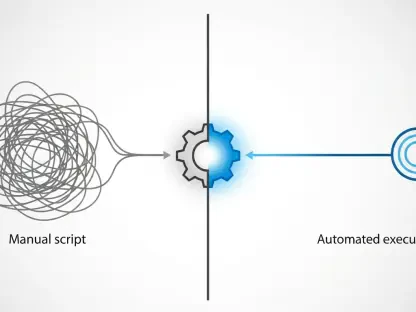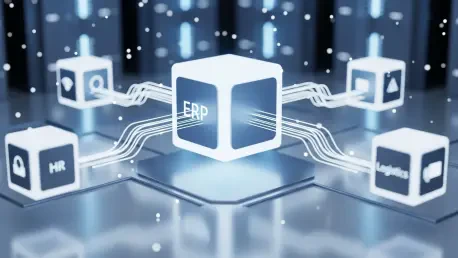

The strategic implementation of Enterprise Application Integration represents a significant advancement in the demanding health and social care sector, offering a pathway to operational coherence in an otherwise fragmented digital landscape. This review explores the evolution of this technology through a case study of Routes Healthcare, a major UK provider that leveraged BPA Platform to unify a complex ecosystem of SaaS applications with its core Sage 200 ERP. An analysis of the key features of this integration strategy, its performance metrics, and its transformative impact on operations provides a thorough understanding of this modern approach, its current capabilities, and its potential as a blueprint for other ERP-centric organizations.
The Strategic Imperative for a Unified Digital Ecosystem
In high-stakes industries like health and social care, the prevalence of disconnected application silos creates significant operational friction. When critical data is scattered across numerous systems, from HR platforms to financial ledgers, organizations suffer from profound inefficiencies, data fragmentation, and elevated compliance risks. This lack of a unified view hinders real-time decision-making and forces staff to rely on manual, error-prone processes to bridge the gaps between technologies.
Confronted with these challenges, the strategic decision to pursue an integration-first approach marks a pivotal shift in IT philosophy. Rather than embarking on a costly and disruptive system-replacement project, this strategy focuses on connecting existing, functional applications through a central platform. The primary objective is to create a single source of truth and a cohesive operational backbone, thereby transforming a collection of disparate tools into a harmonized and intelligent digital ecosystem.
Core Integration and Automation Capabilities in Action
Unifying Workforce Management and Communication
For an organization managing a large, distributed workforce, the timely and accurate dissemination of information is paramount. The integration platform addresses this by automating the flow of critical rota and contact details from core systems like SharePoint directly to managers. This orchestration eliminates the manual collation of data from various sources, ensuring that everyone operates from the most current information, which is essential for coordinating care delivery effectively.
Beyond data synchronization, the platform enhances communication through automated messaging services. By integrating with tools like ToucanText, it facilitates the delivery of just-in-time alerts and updates to care workers in the field. This capability dramatically reduces the administrative burden on central teams while ensuring that communication is consistent, reliable, and immediate, strengthening the connection between the organization and its front-line staff.
Accelerating High-Volume Recruitment and Onboarding
The social care sector is characterized by high staff turnover, making efficient, high-volume recruitment a critical business function. The integration platform plays a vital role by automating the end-to-end hiring workflow. It seamlessly connects the applicant tracking system (ATS) with external job sites such as Indeed, ensuring that new applications are processed without delay and that candidate data flows smoothly into the recruitment pipeline.
A particularly impactful automation is the streamlining of the reference-checking process. The platform orchestrates the entire workflow, from sending out reference requests to tracking responses and feeding verified information back into the ATS. This automation removes a significant bottleneck in the hiring process, which not only shortens hiring cycles but also improves data accuracy and frees up recruitment teams to focus on candidate engagement rather than administrative tasks.
Streamlining Mission-Critical Financial Workflows
In the context of public sector healthcare, financial interactions demand precision, timeliness, and complete auditability. The platform’s ability to create a seamless integration between Routes Healthcare’s internal financial systems and the National Health Service (NHS) invoicing platform, Tradeshift, is a prime example of its value. This connection automates the exchange of financial data, ensuring that invoices are submitted accurately and without manual intervention.
This level of automation is non-negotiable for maintaining healthy cash flow and ensuring operational stability. By eliminating the potential for human error and delays associated with manual processing, the integration guarantees that financial data exchange is not only efficient but also fully compliant with regulatory standards. This robust workflow provides the financial resilience necessary to operate confidently within a complex and demanding transactional environment.
Emerging Trend: The ERP as an Integrated Hub Not a Monolith
The Routes Healthcare model exemplifies a significant evolution in enterprise architecture. There is a clear strategic shift away from the traditional, all-encompassing monolithic ERP system toward a more agile and flexible framework. In this modern paradigm, the ERP is not expected to do everything; instead, it serves as the stable, central data core within a broader, orchestrated ecosystem.
This approach allows organizations to leverage best-of-breed SaaS applications for specific functions—from human resources to customer relationship management—without sacrificing data integrity. A central integration layer, like the one implemented by Routes Healthcare, becomes the essential connective tissue. It orchestrates processes and data flows between these specialized applications and the core ERP, creating a system that is both powerful and adaptable to future business needs.
Real-World Applications and Quantifiable Business Impact
Enhancing Compliance and Proactive Risk Management
In a heavily regulated sector, integration delivers a crucial advantage by enabling proactive compliance monitoring. The platform automatically tracks and flags key regulatory requirements, such as visa restrictions for employees and deadlines set by governing bodies like the CQC and Home Office. This automated oversight transforms compliance from a reactive, manual exercise into a proactive, system-driven process.
This capability empowers the organization to manage risk far more effectively. Instead of discovering compliance issues after the fact, teams receive timely alerts that allow them to address potential problems before they escalate. This proactive stance is essential for maintaining a strong regulatory standing and mitigating the significant financial and reputational risks associated with non-compliance.
Establishing a Resilient Business Continuity Framework
A unique and vital benefit of a central integration platform is its role as a business continuity safeguard. In an IT environment that relies heavily on third-party SaaS applications, the risk of an outage in any single system can be substantial, potentially disrupting critical care services. The platform acts as an independent, failsafe layer that mitigates this risk.
By holding and orchestrating critical data flows, the integration hub ensures that core processes can continue to function even if a primary application becomes temporarily unavailable. For an organization providing essential services to vulnerable individuals, this resilience is not just an operational advantage; it is a fundamental component of its commitment to uninterrupted care.
Overcoming Operational Fragmentation and Data Silos
The primary challenge addressed by this integration strategy was an environment where essential information was trapped in disparate systems and spreadsheets. This fragmentation prevented a real-time, holistic view of operations, making it difficult to coordinate activities and respond swiftly to changing conditions. Critical data related to staffing, finance, and compliance was isolated, creating inefficiencies and hindering strategic planning.
By implementing a central integration and automation layer, the organization directly mitigated this issue without resorting to a complete overhaul of its existing applications. The platform established an orchestrated “single source of truth” by synchronizing data and automating workflows across the entire IT landscape. This created the unified operational view that was previously unattainable, enabling more informed and agile decision-making.
The Future of Orchestrated Enterprise Systems
The integration-centric model demonstrated by Routes Healthcare offers a clear vision for the future of enterprise systems. This approach is inherently scalable, providing a solid foundation for accommodating future growth and integrating new applications as business needs evolve. It represents a sustainable and adaptable blueprint for organizations in other sectors that are facing similar digital transformation challenges.
In an increasingly complex world of multi-cloud and multi-SaaS environments, the central integration layer is positioned as an essential component of modern IT architecture. It enables organizations to maintain agility and innovate with best-of-breed tools while ensuring that their core operations remain coherent, resilient, and manageable. This strategy provides a practical path for navigating the future of enterprise technology.
Conclusion and Overall Assessment
The implementation of a central integration and automation platform has proven to be a highly effective strategy for achieving operational excellence, resilience, and compliance. The evidence from this case demonstrates a clear and quantifiable return on investment, underscored by a consistent 50% reduction in development effort and significantly lower maintenance overhead. This approach successfully transformed a collection of disconnected systems into a unified and intelligent digital ecosystem. Ultimately, an integration-first strategy, powered by a central platform, stands as an indispensable accelerator for any organization seeking to thrive in a complex digital environment.