
The Shift Toward Evidence-Based Enterprise Transformation
The traditional era of selecting enterprise software based on flashy slide decks and golf course handshakes has finally collapsed under the weight of mounting digital complexity and economic volatility. As demonstrated by the high-stakes 2026 ERP HEADtoHEAD event in Birmingham, modern organizations are embracing a culture of intense scrutiny that prioritizes empirical evidence over vendor charisma. The landscape of Enterprise Resource Planning (ERP) is no longer defined by who has the most impressive marketing budget but by which platform can demonstrate measurable resilience in a volatile global market. This shift signals a broader move toward a structured evaluation process where every technological promise is pressure-tested against real-world operational needs. By examining this transition, one gains insight into the strategies necessary for achieving long-term stability through a more disciplined approach to digital transformation. This article explores how modern rigor—characterized by script-based demonstrations, agentic AI integration, and a renewed focus on organizational readiness—is redefining success in an increasingly complex technological environment.
From Legacy Hype to Disciplined Selection Criteria
For decades, the acquisition of enterprise systems followed a predictable pattern of brand loyalty and persuasive sales cycles, often resulting in projects that drained resources without delivering the promised return on investment. The legacy approach forced businesses to bend their unique processes to fit rigid software architectures, creating significant “digital friction” that hindered growth. However, the cumulative cost of these implementation failures has fostered a more mature and skeptical buyer demographic among today’s executive leadership. CFOs and CIOs now demand that selections be grounded in historical performance data rather than optimistic projections. This background of caution explains why businesses now insist on rigorous, side-by-side comparisons to ensure that a platform can handle the intricate realities of their specific industry before any long-term commitments are finalized.
The Pillars of Modern ERP Evaluation
Standardizing the Selection Process Through Script-Based Demonstrations
A primary driver of modern rigor is the transition from generic vendor presentations to standardized, script-based demonstrations. This methodology requires multiple competing vendors to solve identical business problems using a uniform data set, effectively stripping away the cosmetic polish of modern user interfaces. By focusing on how a system actually processes complex transactions under pressure, organizations can identify functional gaps that would otherwise remain hidden until after implementation. Recent industry observations indicate that this level of scrutiny dramatically reduces the likelihood of post-purchase regret. Stakeholders are empowered to make decisions based on functional reality, ensuring that the chosen software truly aligns with the unique operational requirements of the firm.
Navigating the Integration of Agentic AI into Core Workflows
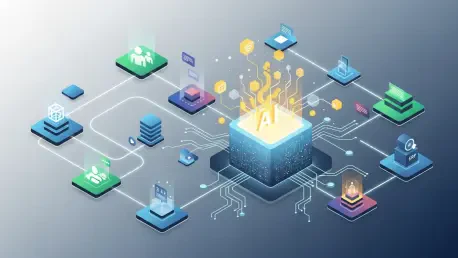
Beyond simple automation, Artificial Intelligence has evolved into a practical execution layer known as “agentic AI” within the modern enterprise core. These tools are no longer relegated to the margins as simple analytical plugins; they now autonomously orchestrate complex workflows across finance, operations, and supply chain management. This functional depth allows for a higher degree of responsiveness to market shifts, yet it also introduces significant requirements for robust data governance. Businesses must navigate the risks associated with algorithmic “hallucinations” and ensure that high-speed automation does not bypass essential human oversight. The challenge lies in integrating these autonomous agents in a way that enhances efficiency without compromising the integrity of the organization’s foundational data.
Addressing Change Management and Internal Capability Constraints
Despite the sophistication of modern software, the ultimate success of an ERP overhaul depends more on internal governance and organizational readiness than on the technology itself. Expert analysis consistently shows that even a cutting-edge, AI-driven platform will fail if the internal culture remains resistant to change or if process governance is poorly defined. Furthermore, global rollouts are often complicated by regional differences in digital literacy and labor market dynamics, making localized change management a non-negotiable requirement. A persistent misconception suggests that migrating to the cloud resolves all technical debt, but in practice, it frequently exposes deep-seated customization complexities. Success requires a well-resourced internal project team capable of managing these integration dependencies with precision.
Future Trends in the ERP Ecosystem
Looking toward the immediate horizon, the industry is moving toward “autonomous enterprise” models where systems proactively suggest strategic optimizations based on real-time economic data. There is an increasing focus on the tightening of regulatory frameworks regarding AI usage in enterprise environments, which will force vendors to prioritize transparency in their algorithmic processing. Additionally, the tension between the need for massive overhauls and the requirement for daily operational stability is giving rise to “composable” ERP strategies. Instead of risky, all-encompassing migrations, organizations are choosing to update specific modules incrementally to minimize disruption. As resource limitations continue to influence decision-making, the ability to balance short-term wins with a long-term strategic vision will define the next generation of digital leadership.
Best Practices for Navigating Modern Implementations
Navigating the complexities of modern implementations requires a commitment to independent perspectives and evaluation-led decision-making. Organizations should initiate the process by conducting a comprehensive audit of internal capabilities to pinpoint gaps in data literacy before ever engaging with a software vendor. It is highly beneficial to utilize third-party experts who offer an objective viewpoint during the selection phase, as this helps prevent the “sunk cost” fallacy from clouding judgment during the later stages of implementation. Furthermore, a strategic approach to cloud migration involves timing the transition to align with organizational readiness rather than succumbing to external industry pressure. Prioritizing these steps ensures that the investment serves as a foundation for future growth rather than a recurring operational burden.
Cultivating a Culture of Continuous Rigor
The evolution of the ERP landscape demonstrated that technological effectiveness was inseparable from the discipline applied during its selection and implementation. Success in the recent cycle required a sophisticated synthesis of advanced tools, rigorous comparison methodologies, and a focus on the human elements of change. Organizations that thrived were those that embraced skepticism as a mechanism for clarity and rigor as a definitive pathway to stability. The modern journey was no longer viewed as a simple software upgrade but as a profound commitment to organizational excellence and long-term resilience. This shift in mindset paved the way for a more sustainable approach to enterprise transformation, ensuring that technology served the business rather than the other way around.