
The multi-million-dollar question echoing through boardrooms is no longer whether to modernize a legacy Enterprise Resource Planning system, but how to do so without derailing the entire enterprise in the process. For decades, the path forward was clear, if treacherous: a complete overhaul that promised a new digital foundation at a staggering cost of time, capital, and operational stability. Today, however, a fundamentally different strategy is emerging, one that challenges this all-or-nothing approach.
This new philosophy hinges on a single, powerful concept: augmentation over replacement. By leveraging artificial intelligence, organizations are discovering a way to enhance, rather than discard, their existing ERP infrastructures. This report explores the strategic shift from high-risk, large-scale replacement projects toward a more surgical, value-driven model of AI-based augmentation, a change poised to redefine digital transformation for the foreseeable future.
The Crossroads of Modernization: Understanding the Traditional ERP Landscape
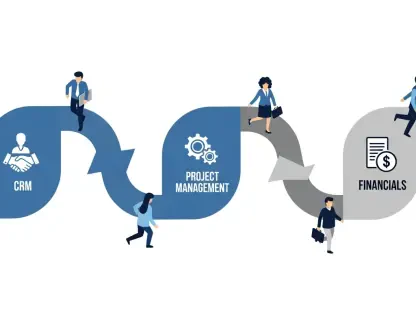
Enterprise Resource Planning systems serve as the central nervous system of modern business, housing the critical data and processes that govern everything from finance to supply chain management. These platforms are deeply woven into the fabric of daily operations, making any attempt to alter them a profoundly complex undertaking. Their monolithic nature, a relic of a previous technological era, has historically presented a stark choice for leaders facing the need to innovate: endure the limitations of an aging system or embark on a perilous journey of total replacement.
The decision to modernize has therefore been synonymous with massive disruption. The conventional wisdom dictated that achieving next-generation capabilities required dismantling the old infrastructure and building an entirely new one from scratch. This perspective locked organizations into a cycle of infrequent, high-stakes technology projects that consumed immense resources and offered no guarantee of a successful outcome, creating a landscape where the fear of change often outweighed the need for it.
Charting the New Course: Trends and Projections in ERP Evolution
From Overhaul to Enhancement: The Rise of AI-Based Augmentation
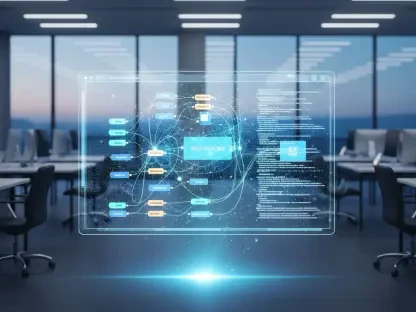
A fundamental shift in strategy is gaining momentum, moving away from the brute-force method of system replacement and toward a more intelligent approach centered on enhancement. AI-based ERP augmentation is not another term for a simple upgrade; it is a strategic layering of advanced, modular capabilities onto an organization’s existing ERP core. This surgical methodology targets specific, high-impact improvements without destabilizing the essential business operations that depend on the current system.
The mechanism behind this strategy involves integrating intelligent components—such as predictive analytics engines, process automation bots, and conversational interfaces—that work in concert with the ERP’s data. Instead of being discarded, the legacy system is revitalized, its utility extended and its value maximized. This approach allows companies to introduce cutting-edge functionality in a controlled, non-disruptive manner, transforming prior technology investments from sunk costs into a stable foundation for future innovation.
Forecasting the Future: Why AI Will Dominate ERP Strategy by 2026
Industry projections indicate a clear and rapid pivot toward augmentation as the primary modernization strategy. By 2026, this approach is expected to become the dominant paradigm, largely because it directly addresses the core demands of today’s business environment: speed, agility, and a clear return on investment. The multi-year timelines and uncertain outcomes of full replacements are becoming increasingly untenable in a market that rewards adaptability.
This trend is not merely about technology; it is a response to evolving business needs. The growing complexity of global supply chains, the demand for real-time data analysis, and the constant pressure to optimize workflows have created operational gaps that traditional ERPs cannot easily fill. AI augmentation provides a nimble and cost-effective solution, enabling organizations to address these specific challenges quickly and efficiently, ensuring their central systems can evolve at the same pace as the business itself.
The High Stakes of Tradition: Navigating the Pitfalls of ‘Rip and Replace’
The traditional “rip and replace” strategy is less of a project and more of a massive organizational undertaking, demanding years of meticulous planning, high-risk data migration, and a complete reimagining of deeply ingrained business processes. This method forces a company to essentially halt its evolution while it rebuilds its digital backbone from the ground up, a process fraught with complexity and a high probability of negative consequences.
The risks associated with this approach are substantial and well-documented. Such projects are notorious for significant budget overruns and lengthy delays that strain corporate resources and test stakeholder patience. Moreover, the sheer scale of the change often provokes significant internal resistance, as employees are forced to abandon familiar workflows for a disruptive and often frustrating transition. Ultimately, the immense investment of time, capital, and human effort comes with a highly uncertain and long-delayed return, making it a high-stakes gamble that fewer organizations are willing to take.
Modernization Without Compromise: AI’s Role in Upholding Governance and Security
A primary concern for any new technology layered onto a core system is its impact on governance and security. The AI augmentation model is designed specifically to operate in full compliance with existing corporate policies. The intelligent systems are configured to inherit, respect, and enforce all the business rules, security protocols, and data governance frameworks of the underlying enterprise software. This ensures that modernization does not create vulnerabilities or compromise institutional control.
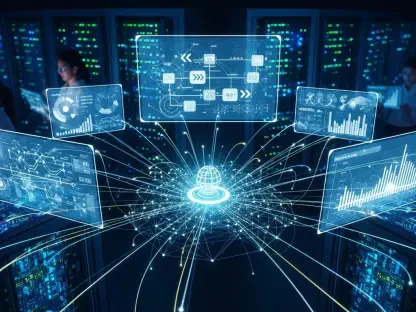
This approach enhances an organization’s capabilities without dismantling its established checks and balances. The AI layer can seamlessly connect new, modern data sets with legacy information stored within the ERP, combining them to generate comprehensive reporting while strictly adhering to all access controls. This creates a powerful synergy where advanced analytics and automation are delivered within a secure and compliant environment, proving that innovation and governance can coexist.
Beyond Record-Keeping: Envisioning the ERP as a System of Intelligence
For decades, the ERP has been defined as a “system of record,” its primary function being the passive storage of historical transaction data. This role, while essential, is fundamentally backward-looking. The introduction of an AI layer initiates a paradigm shift, transforming the ERP from a static data repository into a dynamic “system of intelligence” that actively shapes the future of the enterprise.
In this elevated role, the augmented ERP becomes a proactive partner in strategic decision-making. It leverages its vast data stores to power predictive models, automate complex decisions, and enable a level of operational agility that was previously unattainable. For instance, an AI-powered interface can consolidate information from disparate sources into a single, intuitive view, while intelligent workflows can be reconfigured in minutes—not months—to adapt to new market conditions or operational requirements. This evolution unlocks the true potential of an organization’s data, turning it from a simple record of the past into a blueprint for the future.
The Strategic Verdict: Your Roadmap to a Smarter ERP Transformation
The evidence points to a clear conclusion: AI-based ERP augmentation is not merely a tactical alternative but the most effective long-term strategy for digital transformation. It represents a foundational shift from disruptive, episodic overhauls to a model of continuous, manageable innovation. This approach provides a practical roadmap for businesses seeking to modernize without betting the entire company on a single, high-risk project.
By adopting an augmentation-first mindset, organizations can build a flexible, modular architecture where new AI capabilities are seamlessly integrated as they mature. This strategy future-proofs the enterprise, ensuring its core systems remain nimble, competitive, and intelligent over time. The ultimate verdict is that the smarter path forward lies in maximizing the value of existing investments, minimizing operational disruption, and fostering a culture of perpetual improvement, turning the ERP into a true engine of growth.