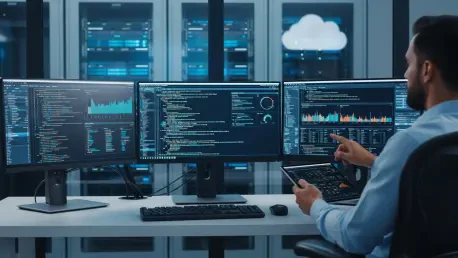
Software engineering is no longer defined by the solitary developer staring at a terminal for twelve hours a day but is instead becoming a collaborative dance between human intuition and machine intelligence. This fundamental change marks a departure from traditional manual coding, shifting the
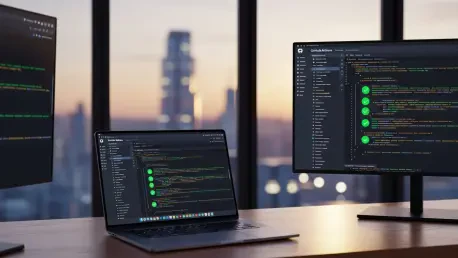
In the current landscape of rapid software iteration, maintaining a competitive edge requires more than just writing clean code; it demands a seamless transition from a local developer environment to a global production infrastructure without manual intervention. The year 2026 marks a pivotal era
The rapid evolution of high-performance computing has created a significant divide between the high-level accessibility of the Python programming language and the raw efficiency of modern hardware accelerators. As scientific simulations and artificial intelligence models grow in complexity,

The rapid integration of sophisticated artificial intelligence into the modern software development lifecycle has inadvertently introduced a dangerous new avenue for supply chain exploitation known as slopsquatting. While large language models offer unparalleled speed in generating code snippets
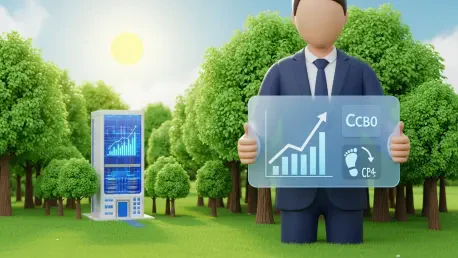
Organizations currently face a complex paradox where the pursuit of aggressive fiscal growth must align with increasingly stringent global environmental standards and carbon footprint transparency requirements. This duality has accelerated the transition from traditional on-premise server rooms to

The recent surge in sophisticated cyberattacks targeting national energy grids and water treatment facilities has forced a radical rethink of traditional digital defense strategies among global security agencies. As of early 2026, the international community has shifted its focus from purely