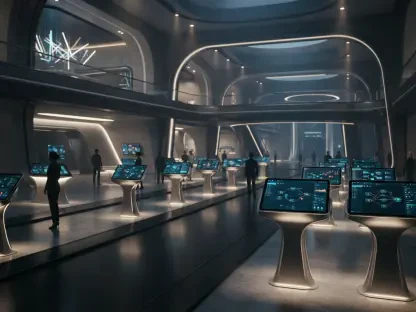

The fundamental transformation of digital architecture has transitioned from the slow, manual assembly of syntax toward a hyper-accelerated era where artificial intelligence defines the economic parameters of software creation. This shift is not merely a matter of efficiency but represents a

The sheer volume of code flooding into production environments today suggests a productivity revolution, yet beneath this digital deluge lies a growing anxiety regarding who or what is actually in control. While the current industrial landscape of 2026 demonstrates an unprecedented reliance on

The velocity of modern software production has shifted from the slow crawl of manual typing to a relentless torrent of machine-synthesized logic that frequently outpaces the human capacity to govern it. In the current landscape of 2026, the primary challenge is no longer the production of
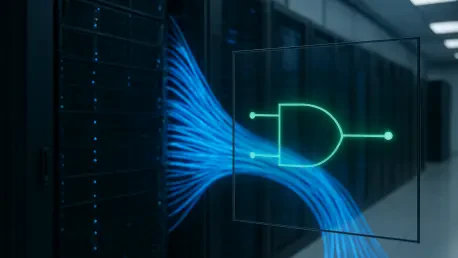
The challenge of model and prompt drift requires a persistent measurement strategy to detect subtle changes in system behavior over time. In the current technological landscape, organizations are moving beyond simple experimentation to deploy complex generative systems at an enterprise scale. This

Modern enterprise leaders no longer view machine learning as an isolated laboratory experiment but rather as a critical, native extension of their existing data repositories. The traditional separation between data storage and predictive modeling often created significant friction, requiring

The meteoric rise of integrated mobility solutions has fundamentally altered how urban populations traverse the sprawling landscapes of modern metropolises, turning what was once a simple street-side whistle into a sophisticated algorithmic orchestration of logistics and demand. As of 2026, the