
Technical interviews are evolving to test whether candidates can identify logic errors within flawed code generated by artificial intelligence. This shift reflects a profound transformation in how software is constructed, as the industry navigates a landscape where AI coding agents have moved from
Harness has launched a suite of AI agents designed to combat the vulnerability management crisis by automating the triage and remediation of security flaws at machine speed. As modern software delivery cycles shrink to minutes rather than days, the traditional friction between security teams and
Developers can utilize Web IQ to provide their coding agents with the ability to research documentation, find code samples, and check for library updates in real-time. This capability represents a cornerstone of the newly revealed IQ suite, an architectural evolution designed to replace the aging

The rhythmic clicking of mechanical keyboards, once the steady heartbeat of every thriving technology hub, has been largely superseded by the hum of high-performance cooling fans as silicon takes the lead in the creative process of writing software. This transformation represents a fundamental
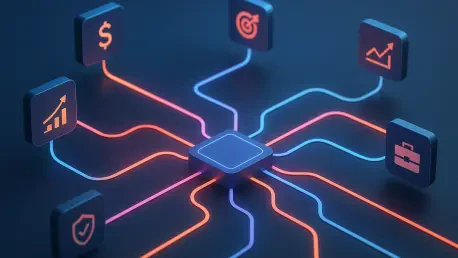
Maintaining resilient automation in dynamic environments like Salesforce requires AI agents that understand business intent rather than just following hard-coded paths. This fundamental shift marks the end of an era where testers were primarily curators of fragile, line-by-line instructions.
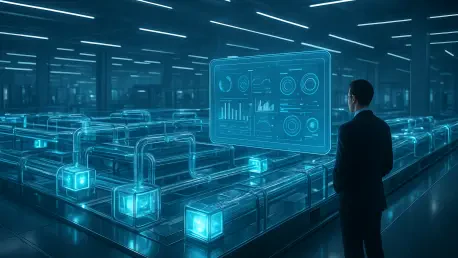
The traditional wall of confusion that once defined the friction between developers and operations is rapidly dissolving as autonomous agent fleets redefine what it means to write and ship software in 2026. While the industry spent decades refining the ways humans interact with code, a fundamental