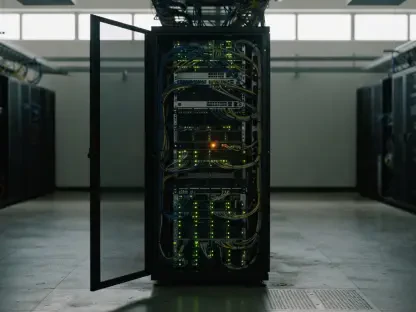

While the digital landscape often feels weightless and ethereal, the physical infrastructure supporting our global data networks now consumes more electricity than many industrialized nations combined. As of 2026, the global Information and Communications Technology (ICT) sector is responsible for

The sheer velocity of modern software delivery has finally forced a long-overdue reckoning where the mere identification of vulnerabilities no longer satisfies the rigorous safety requirements of the current engineering landscape. As the industry moves deeper into 2026, the paradigm shift from

The financial burden of recurring software subscriptions has reached a tipping point for many professionals who are tired of paying for features they rarely use. As of 2026, the landscape of productivity software is shifting toward leaner, more efficient alternatives that prioritize local control
Modern cybersecurity professionals are increasingly finding that the sheer volume of telemetry produced by disconnected scanners has transformed their primary duty from defense to complex data management. As organizations push code at rates that were unimaginable just a few years ago, the

The transition from human-centric software pipelines to autonomous, agentic environments has fundamentally rewritten the rules of the modern engineering floor. As the volume of code generated by artificial intelligence surpasses human output, the traditional DevOps lifecycle faces an existential
The traditional software development lifecycle, once anchored by the physical limitations of human typing speed and manual coordination, has reached a point of absolute structural obsolescence. While the ability to generate syntax has accelerated, the underlying systems for moving that code from a