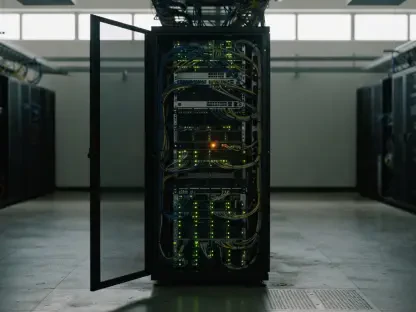

The transition toward localized large language model development has accelerated significantly as hardware capabilities have finally caught up with the demands of modern neural architectures. This shift represents a departure from the early days of 2026 when users were largely dependent on

The traditional image of a lone developer meticulously auditing thousands of lines of legacy code is rapidly fading as Meta introduces its latest powerhouse, Muse Spark 1.3, into the global engineering ecosystem. This update signals a major departure from simple autocomplete features toward true

Modern computational demands have shifted the artificial intelligence landscape from a pursuit of raw size toward a desperate need for surgical precision and instantaneous response times. The Google Gemini 3.7 Flash represents a significant milestone in this evolution, offering a high-efficiency

The rapid integration of artificial intelligence into the core of software delivery pipelines has fundamentally altered how engineering teams perceive the boundary between human judgment and algorithmic efficiency. As we progress through 2026, the industry is witnessing a transition where automated
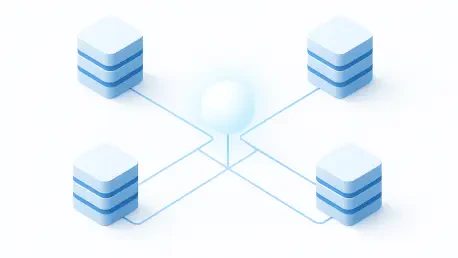
Modern enterprise leaders no longer view machine learning as an isolated laboratory experiment but rather as a critical, native extension of their existing data repositories. The traditional separation between data storage and predictive modeling often created significant friction, requiring

The architectural shift from rigid procedural code toward dynamic Large Language Model orchestration has necessitated a fundamental reimagining of the software quality assurance discipline. Historically, the software engineering sector relied on a binary understanding of correctness, where a