

The sheer velocity of modern software creation masks a deeper instability within the corporate tech stack where speed often comes at the expense of structural integrity and safety. In the current enterprise landscape, generative artificial intelligence has fundamentally altered the expectations for
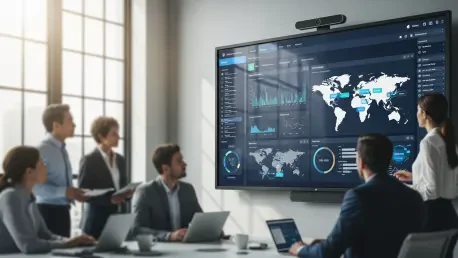
Modern enterprise machine learning operations demand a sophisticated approach to tracking model lineage and compliance as teams scale their production deployments across diverse business units and geographic regions. This necessity stems from the increasing complexity of regulatory requirements and

The rapid integration of physical security systems with cloud-based management platforms has fundamentally altered the way modern enterprises protect their most valuable physical and digital assets in an increasingly interconnected global economy. Organizations are moving away from reactive

Thetraditionalbarrierstoenteringthedigitalmarketplacehavevanishedasartificialintelligencehasmaturedintoaubiquitouspartnerforneighborhoodentrepreneurs. A local bakery or a boutique consulting firm no longer needs to secure a massive capital investment or hire a full-stack development team just to

Business leaders currently face a paradox where the very systems designed to streamline operations often become the primary source of administrative friction and data silos. While the previous decade focused on migrating these Enterprise Resource Planning tools to the cloud, the current landscape

The traditional barrier between conceptualizing a software product and executing its technical architecture is dissolving as generative artificial intelligence evolves from a mere coding assistant into a comprehensive development engine. This shift is exemplified by the recent announcement that