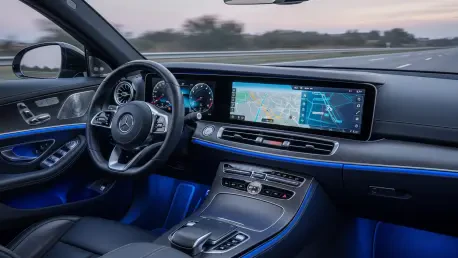

The modern luxury automotive landscape has shifted its focus from the roar of internal combustion engines toward the silent, sophisticated processing power of central computing units that manage every aspect of the driver experience. General Motors is currently at the forefront of this digital transformation, implementing a comprehensive overhaul of the Cadillac “freeform” user interface to better reflect the needs of a tech-savvy generation. This initiative represents a strategic pivot toward software-defined vehicles, where the hardware provides the foundation, but the software determines the long-term value and usability of the car. By actively integrating customer feedback into its development cycles, the manufacturer seeks to eliminate the frustrations often associated with static, outdated infotainment systems. The primary objective is to minimize the cognitive load placed on drivers, ensuring that every digital interaction feels as natural and intuitive as turning a physical dial or adjusting a rearview mirror while the vehicle is in motion on a busy highway.
Redefining the Digital Cabin Experience
Optimization of Media Accessibility and Interior Personalization
One of the most noticeable improvements in the latest software update involves the total reconfiguration of how drivers interact with entertainment media such as music, podcasts, and streaming audio. The introduction of the “side queue” feature serves as a functional breakthrough, allowing users to view a list of upcoming tracks in a discreet sidebar without having to navigate away from their primary navigation or vehicle status screen. This eliminates the guesswork and repetitive clicking that previously plagued the user experience during long commutes or spirited drives. Furthermore, a newly designed dropdown source selector has been integrated to streamline the transition between traditional FM radio, satellite services, and modern streaming platforms. By consolidating these options into a single, high-level menu, Cadillac has significantly reduced the number of taps required to change content. This efficiency is not merely a matter of convenience; it is a safety-driven design choice that keeps the driver’s eyes on the road for longer intervals while maintaining control over the acoustic environment.
The integration of digital settings with the physical components of the vehicle has reached a new level of sophistication through the synchronization of user profiles and door-mounted hardware. For the first time in the brand’s history, Cadillac is linking individual software preferences directly to the physical seat memory buttons located on the interior door panels. This means that a single press of a button does more than just adjust the bolster and lumbar support; it instantly triggers the infotainment system to load the driver’s unique layout, favorite radio presets, and saved navigation destinations. This feature is making its debut on the VISTIQ model and is scheduled to be standardized across the remaining electric and luxury internal combustion lineups. This holistic approach ensures that the vehicle recognizes its operator not just as a person in a seat, but as a digital user with specific environmental and technical requirements. Such advancements illustrate a move toward a personalized sanctuary where the car anticipates and prepares for the user’s presence before they even shift the transmission into gear.
Visual Clarity and Ergonomic Digital Design
To address the common challenge of navigating touchscreens while traversing uneven road surfaces, GM engineers have significantly enlarged the touch targets for essential vehicle functions. Frequently accessed menus, such as drive mode selection and Wi-Fi connectivity settings, now feature larger, more prominent icons that are easier to hit accurately with a quick glance. Complementing this ergonomic shift is the implementation of “mirrored graphics,” a design philosophy where the on-screen visuals for seat adjustments perfectly replicate the physical buttons found on the door panels and center console. This visual consistency reduces the mental processing time needed for a driver to translate a digital icon into a physical action. By creating a direct correlation between the software interface and the mechanical controls, Cadillac provides a more cohesive experience that feels intentional rather than fragmented. This level of detail extends to the Head-Up Display, which has been enhanced with sharper text to ensure that navigation cues remain legible even in the harshest midday sunlight.
Beyond the immediate visual interface, the update brings substantial improvements to the technical tools that owners rely on for daily vehicle management and connectivity. The in-vehicle charging application has been overhauled to provide much clearer, more actionable data regarding energy consumption and battery health, which is vital for electric vehicle operators planning long-distance journeys. Furthermore, the Bluetooth pairing process has been optimized to reduce latency and connection failures, allowing for nearly instantaneous synchronization with mobile devices upon entry. These refinements are part of a broader effort to remove friction from the ownership experience by eliminating the minor delays that can accumulate into significant annoyances over time. Even the most advanced vehicle can feel cumbersome if its software feels sluggish or uncommunicative, and these updates are specifically targeted at ensuring the hardware and software operate in a high-performance partnership. By focusing on these granular details, the manufacturer demonstrates a commitment to a premium experience.
Strategic Rollout and the Future of In-Car Utility
Seamless Delivery Through Over-the-Air Infrastructure
The deployment of these digital enhancements highlights the efficiency of Cadillac’s over-the-air update infrastructure, which allows for massive system upgrades without requiring a visit to a service center. This modern delivery method ensures that vehicles currently on the road, including the 2025 and 2026 model years of the LYRIQ, OPTIQ, and VISTIQ SUVs, stay updated with the latest technological breakthroughs. Even the CT5 luxury sedan, representing the internal combustion side of the portfolio, is included in this rollout, proving that the brand’s software strategy is not limited strictly to its electric offerings. By pushing these updates wirelessly, GM can respond to user feedback in real-time, refining the interface based on actual driving data and consumer preferences. This capability fundamentally changes the lifecycle of the modern automobile, transforming it from a static product that depreciates in technological relevance into a dynamic platform that improves with age. Owners can wake up to a vehicle that possesses new capabilities, reflecting a shift toward continuous improvement.
As Cadillac moves forward with its software roadmap, a significant portion of its development resources is being dedicated to a new split-view home screen concept. This upcoming layout will place a large, interactive map at the very center of the user experience, allowing for complex navigation searches and route planning directly from the home screen. This change eliminates the need to dive into separate applications to check traffic or find a charging station, effectively making navigation a persistent part of the car’s personality. Additionally, the user interface will become more flexible through a simplified widget editing process, giving drivers the ability to customize their digital workspace with unprecedented ease. Users will be able to drag, drop, and resize information panels based on what they find most important, whether it is weather updates or media information. This level of customization ensures that the display lives up to its name, providing a tailored experience that adapts to the specific needs of different driving scenarios while prioritizing information density and ease of use.
Evolution of the Software-Defined User Environment
The strategic deployment of these software enhancements provided a clear roadmap for how luxury manufacturers must operate in an environment where digital proficiency is as important as mechanical reliability. Cadillac successfully transitioned its interface into a more responsive and user-centric platform that prioritized driver focus through improved ergonomics and visual clarity. By linking physical seat memory to digital profiles and streamlining media controls, the company addressed specific pain points that had previously hindered the luxury experience. Moving forward, the focus remained on the expansion of these over-the-air capabilities to ensure that every vehicle in the fleet benefited from the latest innovations in navigation and personalization. This approach established a new standard for the industry, emphasizing that the relationship between the driver and the machine was no longer fixed at the point of sale. Instead, the vehicle became a living entity capable of evolving to meet the shifting demands of the modern world, ensuring that the technology within the cabin remained as cutting-edge as the engineering beneath the hood for many years.