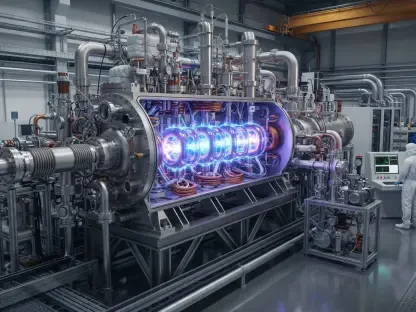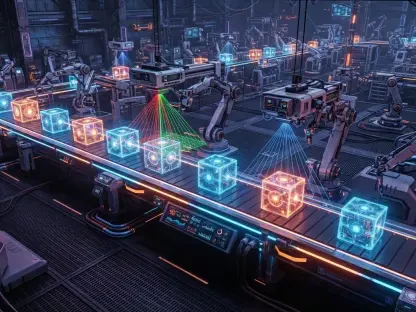

The blueprint for digital world-building is undergoing a radical metamorphosis as the industry moves away from the grueling manual labor of line-by-line coding toward high-level architectural guidance. As real-time rendering demands reach unprecedented levels of complexity, the traditional development cycle is struggling to keep pace with the massive asset density required for modern virtual spaces. Unreal Engine has evolved into a global metaverse backbone, necessitating a fundamental shift in how core infrastructure is maintained and expanded.
Technological influences at the intersection of generative AI and traditional engineering are now reshaping the Epic Games roadmap. While market players like Unity and NVIDIA explore similar automated tools, Epic is integrating agentic AI directly into its commercial software frameworks. This transition requires a careful navigation of the regulatory landscape to ensure that AI-generated logic adheres to the rigorous ethical standards of the broader software industry.
The Paradigm Shift in High-End Game Engine Development
The current state of the gaming industry involves a constant battle against hardware limitations and the escalating costs of high-fidelity asset creation. Real-time rendering is no longer just about visual fidelity but about managing complex, interconnected systems that must remain performant across diverse platforms. Consequently, engine development is moving toward a hybrid model that blends automated code generation with human-led systemic design.
Epic Games is positioning itself to lead this evolution by utilizing AI as a primary tool for architectural scaling. While proprietary engine developers are experimenting with machine learning for textures and animation, the integration of AI into the core codebase represents a much deeper commitment to automation. This strategy aims to maintain a competitive moat by ensuring that development velocity remains ahead of industry-wide technical debt.
The Rise of Agentic Tools and Vibe Coding Dynamics
Emerging Trends: From Manual Programming to Architectural Oversight
Vibe coding is defined as an iterative feedback loop where human engineers guide agentic AI tools like Claude Code through high-level intent rather than raw syntax. This transition allows a developer to function as a systems architect, overseeing how different modules interact while delegating the granular implementation to the machine. The result is a shift from the tedious process of manual line-by-line writing to a more fluid, conversational style of software construction.
This new dynamic is fundamentally changing core engine systems such as D3D12 implementation and shader compression. By adopting a prompt-and-polish workflow, engineers can rapidly prototype complex rendering logic that would previously take weeks to debug. This behavior encourages a more experimental approach to engine design, where the focus remains on high-level performance goals and overall stability rather than the minutiae of the code itself.
Market Performance and the Efficiency Revolution
The quantifiable gains in productivity are already reshaping development cycles across the Epic ecosystem. Complex engineering tasks that were once projected to last for several weeks are now being completed in mere days through agentic assistance. These performance indicators suggest that AI integration is particularly effective at reducing nondeterministic bugs and optimizing memory management in large-scale codebases.
Looking at the window from 2026 to 2028, the projected Early Access release of Unreal Engine 6 is expected to set a new benchmark for market efficiency. The scalability of the Unreal Editor for Fortnite serves as a key indicator of how these tools will democratize high-end creation. This efficiency revolution is attracting significant investment as studios look for ways to decrease overhead while increasing the output of their creative teams.
Technical Hurdles and the Risk of Delegated Intelligence
One of the primary challenges in this new era is maintaining the architectural integrity of codebases that are heavily populated by AI-generated logic. Without strict human oversight, there is a risk of creating performance bottlenecks that only become apparent during multi-platform deployment. Ensuring that the code meets the rigorous demands of modern hardware requires a level of scrutiny that goes beyond simple automated testing.
The black box dilemma remains a significant concern for developers who must audit AI-generated logic to prevent long-term technical debt. Strategies for transparency and code review are becoming essential components of the development pipeline to ensure that every system remains understandable to human engineers. Upskilling traditional C++ developers is necessary to ensure they can thrive in an environment where their primary role is one of critical oversight and optimization.
The Regulatory Landscape of AI-Assisted Architecture
Navigating the legalities of software built with agentic AI models involves complex questions of copyright and ownership. As engine development becomes more reliant on third-party LLMs, protecting proprietary secrets is a top priority for developers. The industry is currently working to establish new standards for how AI-dense codebases are handled under existing software licensing and intellectual property laws.
Adhering to security protocols is vital as AI tools become more deeply embedded in the core architecture of commercial engines. Industry-wide standards are likely to be dictated by the practices of major players like Epic, who are currently setting the pace for AI compliance. Protecting data privacy while utilizing external models remains a delicate balance that requires robust encryption and sandboxing techniques.
The Future of Real-Time Creation: Beyond Unreal Engine 6
The convergence of Unreal Engine 5 and the Unreal Editor for Fortnite is creating a unified, AI-powered ecosystem for creators and players alike. This merger allows for a seamless transition between development and play, powered by agentic tools that can generate assets and logic on the fly. As these systems mature, the barrier between professional engine tools and user-generated content platforms will continue to dissolve.
Potential market disruptors, such as fully AI-native game engines, pose a new threat to legacy systems that fail to adapt. However, the development velocity afforded by vibe coding allows established engines to maintain their dominance through rapid innovation. Consumer preferences are shifting toward more dynamic and personalized experiences, which can only be achieved through the speed and flexibility provided by these new engineering standards.
Summary of Findings and the New Engineering Standard
The shift toward agentic workflows and vibe coding provided a sustainable path for the development of Unreal Engine 6. Engineers successfully transitioned from manual coding to a role centered on high-level systems architecture, which allowed for unprecedented productivity gains in rendering and memory management. The report found that the integration of AI tools reduced the development time for critical systems by more than fifty percent in several key test cases.
Investment in these workflows became vital for long-term industry sustainability as project scales continued to expand. The relationship between human creativity and machine efficiency was solidified as the new standard for world-class engine engineering. Organizations that prioritized upskilling and rigorous architectural oversight were able to balance rapid iteration with high performance. Ultimately, the transition secured a competitive advantage for those who embraced the symbiotic future of software creation.