

The velocity at which software transitions from a conceptual prompt to a live production environment has fundamentally outpaced the traditional capacity of human engineering teams to conduct thorough line-by-line security audits. This shift represents the dawn of vibecoding, a paradigm where the

The realization that a collection of individually validated AI agents can pass every rigorous diagnostic test while still failing catastrophically as a system has forced a radical shift in the architecture and governance of autonomous enterprise pipelines. This systemic gap represents the primary

The arrival of autonomous security agents has turned the traditional, methodical process of software auditing into a high-speed digital drag race where the finish line is a functional exploit. For decades, the security industry relied on static analysis tools that screamed at every shadow or human

The traditional image of a junior developer hunched over a keyboard, laboring for hours to resolve a single syntax error or construct a basic database query, has largely vanished into the annals of technological history. As artificial intelligence models evolved from simple autocomplete suggestions
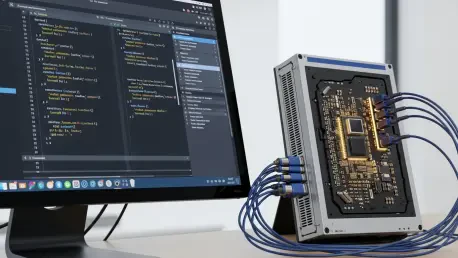
The Strategic Shift Toward Token Austerity in Generative AI Efficiency has replaced raw power as the primary metric for enterprise success in the rapidly maturing landscape of generative artificial intelligence deployments. As organizations transition from experimental pilots to full-scale

The traditional reliance on manual spreadsheets and instinctual decision-making has officially become a liability for modern enterprises seeking to navigate an increasingly volatile global market. In the current landscape, a single miscalculation in a cell or a delayed entry can trigger a cascade