
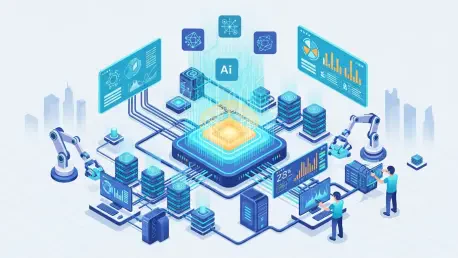
The silent crisis of digital infrastructure management has reached a breaking point where the sheer velocity of data now overwhelms the biological capacity of even the most elite engineering teams. As enterprises grapple with increasingly dense multicloud ecosystems, the traditional model of manual

The sheer speed at which software now materializes has rendered the traditional ceremonies of legacy project management not just obsolete, but actively detrimental to modern product success. While the original Agile Manifesto provided a necessary escape from the rigid waterfall structures of the

The staggering acceleration of software production has triggered a structural crisis where the speed of code generation now vastly exceeds the human capacity to verify its safety and functionality. In this high-velocity environment, traditional quality assurance (QA) has transitioned from a

The rapid convergence of sophisticated financial technology and rigorous regulatory scrutiny has made the modernization of internal controls a prerequisite for any successful enterprise cloud migration. As corporations navigate the complexities of digital transformation, the move away from

The traditional barrier between a conceptual spark and a functional digital product has effectively collapsed, replaced by a conversational interface where natural language serves as the ultimate programming syntax. Today, the software engineering industry is witnessing a profound transformation as

The long-standing struggle to keep automated tests from shattering during every minor UI update has finally met its match in a sophisticated blend of neural networks and adaptive algorithms. For years, the software industry accepted "flaky tests" as a necessary evil, a tax paid for the privilege of