
Software engineering has reached a critical juncture where the traditional manual of imperative code is buckling under the weight of massive concurrency and distributed systems. While the foundations of functional programming were laid nearly seven decades ago, the paradigm has transitioned from an
In the current landscape of rapid software iteration, maintaining a competitive edge requires more than just writing clean code; it demands a seamless transition from a local developer environment to a global production infrastructure without manual intervention. The year 2026 marks a pivotal era

The rapid evolution of high-performance computing has created a significant divide between the high-level accessibility of the Python programming language and the raw efficiency of modern hardware accelerators. As scientific simulations and artificial intelligence models grow in complexity,

The decision between leveraging a pre-built abstraction layer and engineering a bespoke software solution often defines the long-term agility and operational efficiency of modern digital enterprises seeking a competitive edge. In 2026, the proliferation of sophisticated AI-integrated development

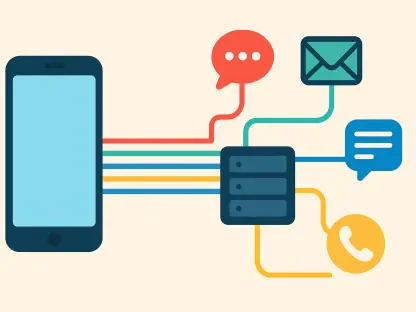
Integrating advanced artificial intelligence agents into the iMessage ecosystem has long been a complex endeavor for developers seeking to provide seamless, native experiences without the heavy overhead of maintaining dedicated hardware. As the market for conversational AI continues to expand

The velocity of contemporary software engineering has shifted into a higher gear as generative artificial intelligence enables developers to produce complex codebases at speeds that were previously unimaginable. While these advancements empower small teams to achieve the output of large