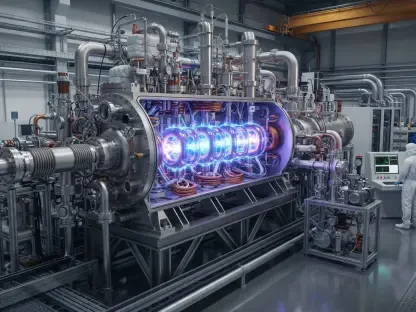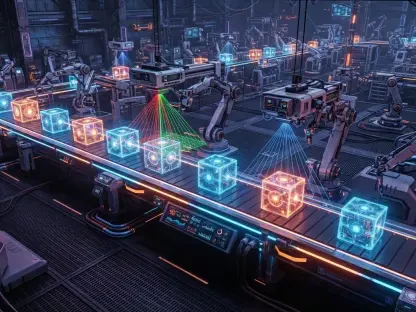

The rapid convergence of high-resolution sensor technology and advanced neural architectures has fundamentally redefined the way machines interpret the physical environment, placing Python at the center of this paradigm shift. By serving as the primary architectural bridge between complex
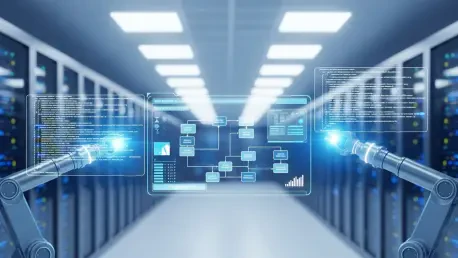
The ability of a single prompt to generate a functional snippet of code has rapidly shifted from a technical marvel to a baseline expectation, yet the journey from a simple script to a production-grade application remains a chasm that raw model power alone has failed to bridge. While Large Language

The transition from human-centered coding to orchestrating autonomous digital entities represents the most significant shift in software production since the invention of the integrated development environment. This transformation is not merely about better code completion or more accurate syntax
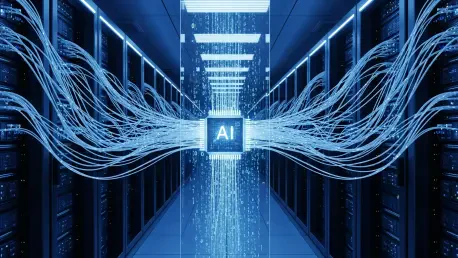
The modern enterprise perimeter has dissolved into a complex web of autonomous agents that no longer simply answer questions but actively execute high-level corporate functions. As these artificial intelligence systems move from passive chat interfaces to active operational participants, a quiet

The catastrophic failure of a major financial gateway last year, triggered by a simple database timeout that escalated into a global service collapse, serves as a stark reminder that our digital safety nets are often the very things that strangle us. This "retry-induced death spiral" occurs when

The rapid proliferation of autonomous artificial intelligence has outpaced the financial systems designed to support them, leaving high-level reasoning agents stranded without a reliable way to settle debts or procure resources. While large language models can now draft code and manage complex