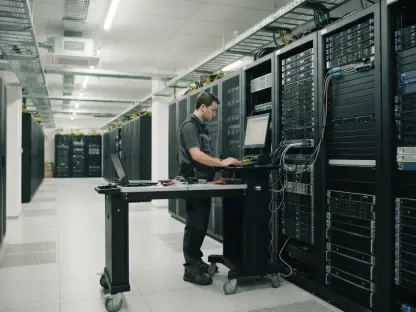

The persistent struggle to extract clean, contextual data from legacy document formats has long been a primary bottleneck for enterprise-grade artificial intelligence deployments. Despite the sophistication of modern large language models, the underlying structure of a standard PDF or a spreadsheet
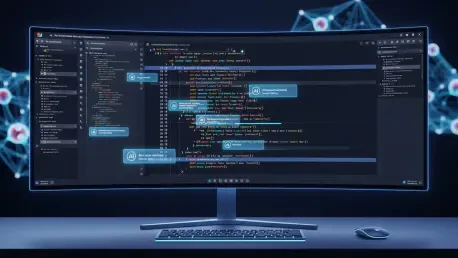
The transition from basic code completion to fully autonomous agentic workflows has fundamentally redefined the software development landscape, turning what was once a mere suggestion engine into a comprehensive lifecycle management partner. In the current environment, the industry has largely
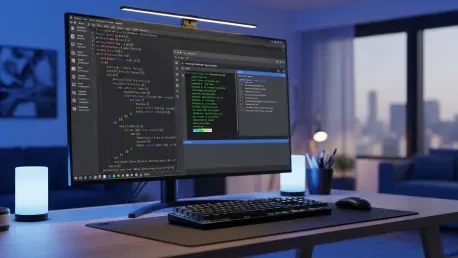
The rapid evolution of large language models has fundamentally transformed how data scientists approach the R programming language, yet many users still struggle with generic, hallucinated, or inefficient code outputs. While general-purpose chatbots can handle basic syntax, the nuances of the

The growing distance between the initial creation of an autonomous artificial intelligence agent and its eventual deployment into a highly regulated corporate environment has become a critical roadblock for modern enterprises. Microsoft has officially entered the competitive landscape of AI

The rapid proliferation of autonomous agents has left many enterprise IT departments struggling to manage a chaotic landscape of disjointed tools that lack common protocols or shared governance standards. As 2026 progresses, the industry focus has shifted from merely building smarter models to

The arrival of Kimi Code CLI marks a definitive shift in how engineers interface with their machines, moving beyond mere autocomplete suggestions toward a fully autonomous terminal residency. Developed by Moonshot AI as a successor to the original kimi-cli, this tool transitions away from being a