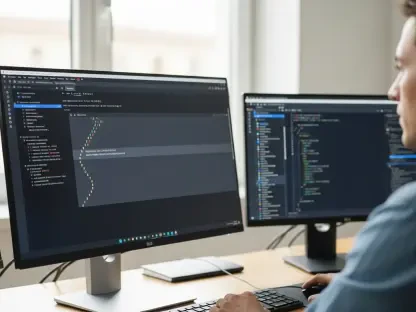

In a technology landscape where artificial intelligence models rise and fall with the predictability of seasonal fads, the developer community’s steadfast loyalty to the unassuming and decidedly un-hyped Visual Studio Code presents a fascinating paradox. The relentless churn of AI innovation, with

For years, the power of an application programming interface was measured almost exclusively by its technical prowess and reliability, but a new barometer for success is emerging from the perspective of the developers who must integrate it. APIs have transitioned from being simple technical

The hum of a server rack processing a large language model today carries a familiar echo of the clattering mechanical looms that once heralded a new, uncertain age for skilled artisans two centuries ago. This parallel, separated by generations but united by the disruptive force of automation,

The relentless drumbeat of progress heralding the imminent obsolescence of human software developers has unexpectedly softened, replaced by a more measured rhythm that grants the industry a surprising and significant reprieve. For years, the narrative has been one of accelerating timelines, with
Transforming a locally developed artificial intelligence agent from a promising prototype into a globally accessible, scalable service represents a critical yet often complex final hurdle for developers seeking to bring their creations to production. This transition requires not only robust code

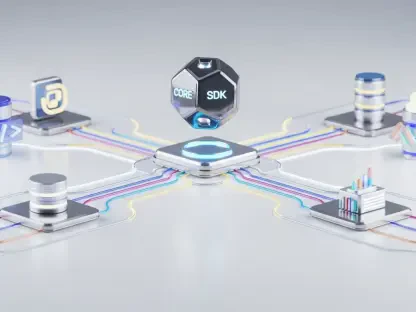
The conversation surrounding artificial intelligence in software development has rapidly evolved from theoretical possibilities to practical applications, but a new development from Anthropic signals a fundamental leap forward. The introduction of its Agent SDK is poised to transform large language