
The transition from artificial intelligence as an experimental novelty to a foundational pillar of corporate infrastructure has reached a critical inflection point where the cost of failure now outweighs the thrill of discovery. While the previous years were defined by the rapid prototyping of

Automated pipelines concentrate immense power by design, making them primary targets for attackers who treat these automation tools as centralized stores for high-value administrative keys. The security landscape of 2026 highlights a critical paradox: the very automation meant to accelerate
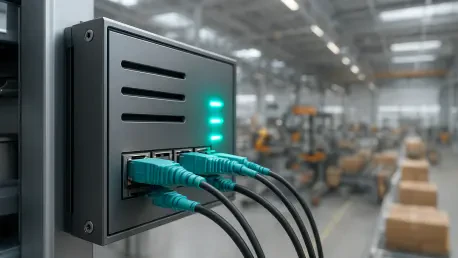
The traditional paradigm of centralized data warehousing is buckling under the pressure of autonomous agents that require sub-millisecond response times to execute complex reasoning loops without human oversight. This shift marks a departure from the "passive storage" model where data simply sat

The engineering time spent managing scanner outputs and fixing pipeline bottlenecks represents a significant diversion of talent away from high-value feature development. While the modern software industry champions the "shift left" movement, the actual implementation of DevSecOps often carries a

The emergence of agentic AI requires a fundamental redesign of processor architecture to prioritize single-threaded performance and low memory latency over aggregate core counts. This shift marks the transition from traditional data storage facilities to high-velocity AI factories where raw silicon

The establishment of a public Security Disclosure Ledger ensures a coordinated release of information regarding the thousands of vulnerabilities uncovered by the autonomous GLM-5.3 system. This release marks a departure from traditional manual patching cycles, as Z.ai introduces a model capable of