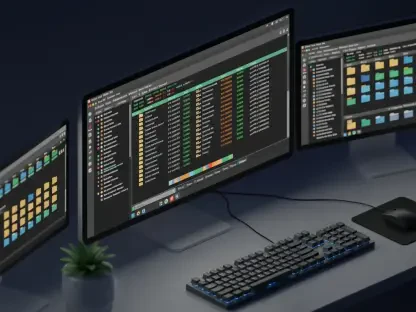

Developing sophisticated terminal-based applications has traditionally been a daunting task for Python developers. The complexity and limitations of traditional tools often make it challenging to create interactive and visually appealing terminal applications. However, the introduction of Textual,

Generative AI is altering how tech professionals approach their daily tasks, offering an array of tools that streamline and enhance productivity. However, the degree of trust and adoption varies widely among these professionals. This article delves into the extent of generative AI tool adoption,

Artificial Intelligence (AI) and No-Code platforms are two of the most transformative trends in technology today. Together, they promise to revolutionize the way applications are developed, making the process more efficient, accessible, and user-friendly. At the forefront of this innovative wave is

The perennial question facing enterprises in the technology sector has long been whether to build custom software in-house or purchase off-the-shelf solutions. The decision isn't simple: developing bespoke software guarantees specificity but incurs high costs and lengthy project timelines. On the

The University of Maranhão (UEMA) highlights its commitment to user privacy and data security through a detailed Privacy and Cookie Policy. This comprehensive policy ensures that users are well-informed about data collection practices, reinforcing the notion that understanding these processes is
In the traditional landscape of software development, businesses have always faced a critical choice: develop custom software in-house or purchase pre-built solutions. Each path comes with its own set of advantages and drawbacks. In-house development promises tailored functionality and specific