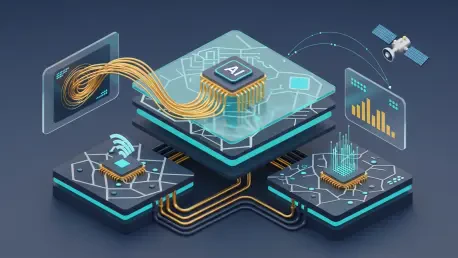

The current shift in artificial intelligence from monolithic large language models toward collaborative multi-agent ecosystems is redefining the boundaries of what automated systems can achieve in a professional environment. This transition represents a fundamental change in how artificial

The landscape of enterprise-grade web application development has shifted significantly toward fine-grained reactivity, moving away from the heavy, event-driven architectures that dominated the previous decade of front-end engineering. As of late 2026, the introduction of the Signal Forms API in
The ongoing sophistication of digital agents has fundamentally transformed the requirements for user interface design in modern computing environments where real-time adaptability is now the standard. Traditional static interfaces are rapidly becoming obsolete as users demand more interactive and
The seamless transition from traditional telephony to browser-based video conferencing has essentially turned every digital interface into a potential meeting room without a single download. Only a few years ago, the landscape of digital interaction was cluttered with heavy software installations

The traditional image of a developer hunched over a keyboard for months to produce a single mobile application has been replaced by a dynamic reality where sophisticated software emerges from high-level conceptual conversations between humans and machines. The evolution from labor-intensive manual
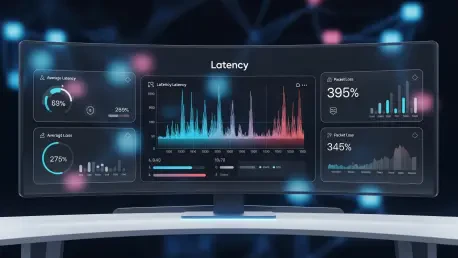
A developer might celebrate a 99.9% uptime metric, but if that last decimal point involves a twelve-second delay for a mobile user on a spotty network, the system is functionally dead in the eyes of the consumer. In the current landscape of 2026, the definition of a working application has shifted