
The Unified Frontier: The Rise of Code-to-Cloud Engineering
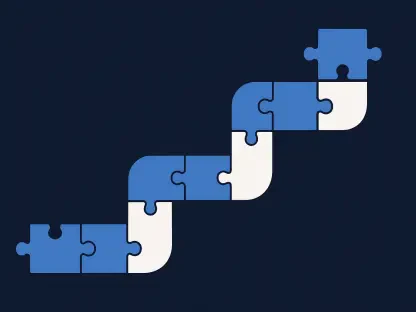
The wall that once stood between software creation and system stability has crumbled under the pressure of global digital demands and the relentless pace of cloud innovation. Historically, the software industry maintained a rigid separation of concerns where frontend and backend developers focused exclusively on logic, while system operations teams managed the underlying hardware and deployment environments. This binary structure created significant friction, often resulting in prolonged release cycles and communication breakdowns that hampered organizational growth. As businesses shifted toward digital-first models, the necessity for a more cohesive approach became undeniable, leading to the birth of a unified engineering philosophy.
The emergence of the code-to-cloud engineer represents a fundamental pivot in how software is conceptualized and delivered. No longer confined to the boundaries of a web browser or a database, modern full-stack professionals are now expected to manage the entire application lifecycle. This evolution is driven by the widespread adoption of cloud-native architectures and microservices, which require a deep understanding of how code interacts with ephemeral, distributed infrastructure. By integrating these previously distinct domains, organizations can achieve a level of agility that was previously impossible, allowing for continuous iteration and rapid responses to market fluctuations.
Strategic dismantling of operational silos has become a prerequisite for maintaining cost-efficiency in a competitive landscape. When developers possess the skills to provision their own environments and troubleshoot production issues, the time wasted on ticket-based handoffs is eliminated. This shift fosters a culture of shared ownership, where the performance of the system is as much a priority for the engineer as the functionality of the feature itself. Consequently, the role of the developer has transformed from a mere writer of code to a holistic architect of digital experiences who understands the financial and operational implications of their technical decisions.
Navigating the Shift-Left Transformation and Market Dynamics
Strategic Drivers Reshaping the Developer Workflow
The transition toward a shift-left philosophy has fundamentally altered the standard developer workflow by integrating security, testing, and deployment into the earliest stages of the creation process. Rather than treating these critical functions as post-production hurdles, engineers now utilize automated tools to validate their work in real time. This proactive approach identifies vulnerabilities and performance bottlenecks before they ever reach a staging environment, significantly reducing the cost of remediation. Moreover, as consumer expectations for high-uptime digital experiences continue to climb, the ability to deliver stable updates without service interruptions has become a non-negotiable requirement for software teams.
Infrastructure as Code has served as the primary catalyst for turning developers into architects of their own environments. By using declarative languages to define servers, networks, and storage, engineers can replicate complex production setups with a single script, ensuring consistency across all stages of development. This democratization of infrastructure management allows for a more experimental and resilient development culture, as environments can be spun up or torn down without manual intervention. Furthermore, the integration of AI-driven automation within the continuous integration and deployment pipeline is further streamlining these workflows, enabling the system to suggest optimizations and predict potential failures before they manifest.
Market Growth and the Demand for T-Shaped Talent
Current performance indicators show that teams utilizing integrated DevOps practices experience significantly lower deployment failure rates and drastically reduced time-to-market compared to traditional functional silos. From 2026 to 2028, the demand for cross-functional engineering talent is projected to grow exponentially, placing a high premium on professionals who possess a T-shaped skill set. This model emphasizes deep expertise in a primary area, such as backend development, paired with a broad understanding of cloud operations and security protocols. This trend is forcing a market-wide transition where specialized operations teams are being replaced by developer-centric platform engineering units that build the internal tools necessary for autonomous delivery.
Overcoming the Complexity Barrier in Full-Stack Integration
Mastering a sprawling toolset that includes Docker, Terraform, and Kubernetes presents a substantial cognitive load for the modern engineer. The sheer volume of technologies required to maintain a code-to-cloud workflow can lead to burnout if not managed through proper educational support and standardized tooling. To mitigate the risk of technical debt caused by rapid deployment, organizations must emphasize architectural oversight alongside speed. Without a clear strategy for how these tools interact, the complexity of the stack can become a burden that hinders the very agility it was designed to provide.
Successful cultural alignment involves moving away from the old habit of throwing code over the fence and toward a model of total accountability. Implementing automated guardrails is an effective strategy for balancing the need for speed with the requirement for system stability. These guardrails prevent production environment drift by ensuring that all changes adhere to predefined security and performance standards. By providing developers with the freedom to iterate while maintaining strict automated controls, companies can foster an environment where innovation does not come at the expense of reliability or long-term maintainability.
Compliance, Security, and the Regulatory Landscape
The integration of DevSecOps has moved vulnerability scanning and dependency audits directly into the development phase, making security a continuous process rather than a final gate. In an era where data breaches can lead to catastrophic financial and reputational loss, full-stack engineers must be well-versed in managing the risks associated with modern cloud infrastructure. Adhering to global data protection standards such as GDPR and HIPAA within automated environments requires a sophisticated understanding of how data flows through a distributed system. Standardized compliance-as-code has become an essential tool for maintaining these rigorous security standards during periods of rapid iteration.
Automated logging and monitoring solutions, such as Prometheus and Datadog, provide the critical audit trails necessary for modern enterprise compliance. These tools allow engineers to track every change and access point within the system, ensuring that any anomalies are detected and addressed immediately. By building observability directly into the application stack, developers provide a layer of transparency that satisfies both internal stakeholders and external regulators. This holistic view of the system not only improves security but also enhances the overall quality of the software by providing data-driven insights into how the application performs under various conditions and loads.
The Future Horizon: Autonomous Delivery and Beyond
The next generation of engineering is moving toward serverless and No-Ops environments, where the underlying infrastructure is almost entirely abstracted from the developer. This allows full-stack engineers to focus purely on business logic while the cloud provider manages scaling and resource allocation automatically. Generative AI is poised to play a massive role in this future, with the potential to automate infrastructure provisioning and even suggest bug remediations in real time. These advancements will likely reduce the mechanical aspects of DevOps, allowing engineers to dedicate more time to high-level system design and creative problem-solving.
Edge computing is also emerging as a significant trend, pushing the boundaries of full-stack distribution strategies. By moving processing power closer to the end user, engineers can create ultra-responsive applications that are less dependent on centralized data centers. The long-term trajectory of the architect of delivery role suggests a move toward a more strategic, cloud-saturated global economy where the ability to manage distributed systems is the baseline for professional success. As the tools become more intelligent and autonomous, the engineer’s value will increasingly lie in their ability to orchestrate complex digital ecosystems that are secure, scalable, and resilient.
Synthesis of the Evolution: Mastering the End-to-End Stack
The transition from functional coding to holistic application ownership redefined the professional landscape for developers. It was observed that the successful blending of development logic with operational agility became a necessity rather than a luxury. Engineers who embraced the full spectrum of the code-to-cloud lifecycle provided their organizations with the flexibility required to survive in an unpredictable market. This evolution confirmed that the future of engineering excellence depends on the seamless integration of development and operations, creating a unified path forward for the entire industry.
To thrive in this environment, organizations should prioritize the development of internal platforms that reduce the cognitive burden on individual engineers. Developers must continue to broaden their technical horizons, ensuring they are comfortable navigating the complexities of cloud-native infrastructure. The move toward unified practices demonstrated that when the barriers between creation and delivery are removed, the potential for innovation increases dramatically. Future strategies will likely focus on further automating the delivery pipeline, allowing for a level of speed and security that will set the standard for the next decade of digital excellence.