
Unpacking the Significance of /dev/mtl 2025 in Software Development
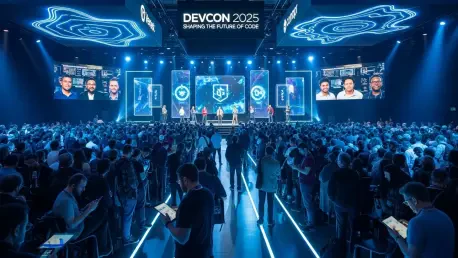
Imagine a room buzzing with 150 developers, all grappling with the same persistent headaches: spiraling testing complexity, sneaky performance snags, and the ever-looming shadow of legacy systems. This was the scene at /dev/mtl 2025, a landmark conference hosted at École de technologie supérieure (ÉTS) in Montreal, a city long celebrated as a cradle of tech innovation with the birth of the Archie search engine. Bringing together 21 speakers from vibrant communities like Java, Python, CNCF, AWS, and Women in AI, the event became a melting pot of ideas, languages, and perspectives. Montreal’s historical role as a pioneer in digital discovery made it the perfect stage for dissecting the modern software landscape, where challenges are as diverse as the tools used to tackle them.
This gathering wasn’t just another tech meetup; it stood as a testament to the power of community collaboration in addressing universal struggles. From testing intricacies to optimizing performance and managing aging codebases, the discussions cut across industry segments, revealing how deeply intertwined technological advancements and human ingenuity are. With sessions conducted in both French and English, the conference mirrored the inclusivity of Montreal itself, fostering a dialogue that transcended cultural and technical boundaries. It highlighted a critical truth: in an era of rapid digital transformation, events like these are vital for sharing hard-earned lessons and sparking innovative solutions.
Moreover, the focus on real-world problems—rather than hypothetical scenarios—underscored the event’s relevance. Developers from varied backgrounds converged to not only lament shared obstacles but to propose actionable strategies. This collective brain trust emphasized that while tools and frameworks evolve, the core challenges of software development demand a blend of creativity and pragmatism. As such, /dev/mtl 2025 offered a unique lens through which to view the state of the industry, setting the stage for deeper exploration of its themes and insights.
Diving Deep into Core Themes and Trends from /dev/mtl 2025
Emerging Challenges and Innovative Strategies
At the heart of the conference discussions lay a stark recognition of software development’s toughest hurdles: unchecked complexity in testing, hidden performance bottlenecks, and the inescapable presence of legacy systems. Testing, for instance, has become a labyrinth with tools like feature flags multiplying possible states exponentially, creating a nightmare for manual oversight. Performance issues, often buried in inefficient database calls, sneak up on even the most vigilant teams, while legacy code remains a silent anchor, dragging down progress if not addressed thoughtfully.
However, amidst these challenges, innovative strategies emerged as beacons of hope. Practices like feature flag lifecycle management were touted as a way to tame testing chaos, ensuring temporary flags don’t become permanent headaches. Intentional database query design was proposed to sidestep performance traps, while structured learning approaches for testing offered a disciplined path to mastery. Beyond tools, a shift in developer mindset took center stage—embracing constraints as creative catalysts and prioritizing feedback loops over raw speed signaled a maturing industry ready to tackle problems head-on.
Indeed, these evolving mindsets are proving to be powerful market drivers. Opportunities for innovation were identified not in sweeping overhauls but in persistent, collaborative problem-solving. Community efforts, as showcased through diverse speaker insights, pointed to a future where small, consistent wins could outshine flashy, one-off breakthroughs. This emphasis on incremental progress suggested that the real strength of software development lies in its collective resolve to chip away at persistent issues with determination and shared knowledge.
Insights and Forward-Looking Perspectives
Delving into specific sessions, Gleb Bahmutov’s talk on managing testing complexity through disciplined feature flag strategies offered a practical roadmap for developers drowning in state variations. Similarly, Reza Madabadi’s deep dive into performance woes, particularly the notorious N+1 query problem, illuminated how tracing tools can reveal hidden inefficiencies before they spiral. These insights weren’t just academic; they were grounded in real-world application, providing attendees with tangible takeaways to implement in their workflows.
Looking ahead, themes like observability, guardrails, and disciplined habits appear poised to redefine software practices. Observability, for instance, emerged as a linchpin for understanding system behavior, allowing teams to move from reactive fixes to proactive design. Guardrails in system architecture were highlighted as essential for curbing complexity, while consistent habits promised longevity over fleeting tech trends. Qualitative feedback from community discussions at the event suggested a growing appetite for systemic safety design, with many predicting a shift toward incremental evolution of systems rather than disruptive rewrites.
Furthermore, speaker anecdotes and roundtable talks pointed to robust growth in these areas over the next few years. From 2025 to 2027, expect an uptick in tools and methodologies that prioritize visibility and safety, driven by a collective realization that complexity unchecked is a recipe for disaster. This forward-looking perspective paints a hopeful picture: an industry not just reacting to challenges but actively shaping a more resilient future through shared learning and intentional practices.
Confronting Software Development Obstacles Head-On
One of the most pressing revelations from the conference was the sheer scale of testing complexity, exacerbated by feature flags that double the states developers must validate. This often leads to non-deterministic outcomes, a frustration echoed by many attendees. Performance bottlenecks, such as the N+1 query issue in database interactions, compound the problem, with object-relational mappers sometimes hiding a deluge of inefficient calls. Legacy systems, far from being a peripheral concern, were framed as an omnipresent reality, challenging teams to evolve without breaking existing functionality.
Beyond technical barriers, human challenges loomed large. The mental fatigue of manual testing was a recurring lament, sapping energy that could be directed toward creative problem-solving. Technological inefficiencies, like those in ORMs, only added to the burden, often requiring extensive debugging to uncover root causes. These twin obstacles—technical and psychological—underscored a need for systemic change rather than patchwork solutions, pushing the conversation toward more sustainable approaches.
In response, a variety of strategies surfaced. Lifecycle discipline for feature flags was proposed to keep complexity in check, while local tracing tools like Digma offered a window into performance issues before they escalated. Structured learning for testing was advocated as a way to build confidence without burnout. Perhaps most compelling was the reframing of legacy systems not as burdens but as design challenges, encouraging incremental improvements over utopian overhauls. This mindset shift, paired with practical tools, suggests a path forward where obstacles become opportunities for thoughtful engineering.
Navigating the Regulatory and Security Landscape in Software Practices
Turning to the critical arena of regulation and security, discussions at /dev/mtl 2025 zeroed in on pressing concerns like secrets governance and the importance of safe defaults in system design. With data breaches and compliance failures making headlines, the need for robust safeguards has never been clearer. Speakers emphasized that security isn’t an afterthought but a foundational element that must be woven into every stage of development, from ideation to deployment.
Compliance, often seen as a hindrance, was reframed as a vital component of software integrity. Guardrails and explicit lifecycles for features were highlighted as mechanisms to ensure reliability while meeting regulatory demands. Such practices not only mitigate risks but also shape industry standards, creating environments where safe behavior is the norm rather than the exception. This approach reduces the reliance on last-minute heroics, fostering a culture of proactive responsibility that benefits both developers and end users.
Balancing innovation with these constraints emerged as a key theme. Insights from the conference suggested that while regulatory requirements can feel restrictive, they often spur creative solutions—think automated compliance checks or secure-by-default configurations. This balance ensures that the pursuit of cutting-edge technology doesn’t come at the expense of safety or trust. As the industry moves forward, embedding these principles into daily workflows will likely become a benchmark for sustainable development, reflecting a mature understanding of responsibility in a connected world.
Envisioning the Future of Software Development Post-/dev/mtl 2025
Peering into the horizon, the conference painted a future for software development defined by simplicity and observability. Emerging trends pointed to a growing reliance on tools that provide deep insights into system behavior, allowing teams to anticipate issues rather than merely react. Simplicity in design, often overshadowed by the allure of complex solutions, was championed as a cornerstone for scalability and maintainability, signaling a shift away from over-engineered systems.
Potential disruptors, such as evolving frameworks and the rising focus on feedback loops, were flagged as game-changers. These elements could reshape how developers approach problem-solving, emphasizing systemic safety over isolated fixes. Consumer preferences among developers are also tilting toward pragmatic, incremental progress, a departure from the romanticized notion of greenfield projects. This trend suggests that future growth areas will likely center on refining existing systems rather than starting anew, aligning with the practical realities of most tech environments.
Influencing factors like persistent innovation and community collaboration will continue to drive this evolution. The global demand for adaptable, resilient software, coupled with economic pressures to optimize resources, further underscores the need for such a measured approach. As teams worldwide digest the lessons from Montreal, the emphasis on collective effort and disciplined problem-solving is expected to catalyze advancements that are both impactful and enduring, shaping an industry ready for whatever challenges lie ahead.
Synthesizing Takeaways and Charting the Path Forward
Reflecting on the myriad insights from /dev/mtl 2025, several key lessons crystallized. Embracing legacy systems as starting points rather than obstacles was a recurring mantra, urging developers to build on existing foundations with care. Managing complexity—whether in testing or performance—demanded active intervention, while prioritizing feedback loops offered clarity in chaotic environments. Designing for safety, cultivating disciplined habits, and persisting on real-world problems rounded out a framework for sustainable progress.
This gathering in Montreal revealed an industry at a pivotal juncture, where intentionality and collaboration stand as timeless pillars of success. The challenges are undeniable, yet the shared commitment to tackling them through small, consistent steps was inspiring. Actionable steps for developers include investing in observability tools to gain deeper system insights and fostering disciplined practices for lasting impact. Teams are encouraged to weave safety and simplicity into their ethos, ensuring resilience in an ever-shifting tech landscape.
Looking back, the event served as a catalyst for meaningful dialogue, pushing the boundaries of what’s possible through collective effort. The path forward, as charted by those discussions, hinges on embracing incremental gains within the constraints of current systems. Future considerations should focus on nurturing community-driven innovation, perhaps through more cross-regional events that amplify diverse voices. With such efforts, the software industry holds immense potential for growth, promising a future where persistent collaboration turns today’s challenges into tomorrow’s triumphs.