
Imagine a world where crafting a mobile app feature takes mere hours instead of dragging on for weeks, bogged down by endless coding, testing, and deployment hurdles. This isn’t a distant dream but a pressing need in an industry where mobile usage dominates 60% of internet traffic. As smartphones remain the primary gateway to digital interaction, the sluggish pace of mobile development stands in stark contrast to the lightning-fast iterations seen in web development. This disparity sets the stage for a revolutionary shift, with startups like Minitap stepping up to challenge the status quo with AI-driven innovation.
Unveiling the Mobile Development Landscape: A Sector Ripe for Change
The mobile app development industry is at a critical juncture, grappling with the weight of its own significance. With billions of users accessing the internet through mobile devices, the demand for seamless, rapidly updated apps has never been higher. Yet, the process of building these apps remains frustratingly slow, often taking weeks to roll out features that web developers can launch in days, thanks to AI tools like Cursor and Claude. This lag isn’t just a minor inconvenience; it’s a bottleneck that stifles innovation in a hyper-competitive consumer space.
Moreover, the industry is shaped by a mix of established tech giants and agile startups, all racing to integrate AI into their workflows. Companies like Google and Microsoft have set benchmarks in research, but their focus often leans toward broad AI applications rather than mobile-specific solutions. Emerging players, however, are zeroing in on this niche, recognizing the vast potential to streamline processes. The market’s scope is staggering, with projections indicating a growing appetite for tools that can accelerate development cycles and adapt to diverse user needs.
What’s clear is that the mobile sector desperately needs a makeover. As consumer expectations for instant updates and flawless experiences soar, the pressure to innovate faster intensifies. This creates a fertile ground for disruption, where technological advancements like AI integration could redefine how apps are built and deployed, pushing the industry toward unprecedented efficiency.
Minitap’s Breakthrough: Funding and Vision for AI-Driven Innovation
Fueling the Future: Details of the $4.1M Seed Round
In a bold move to address these challenges, Minitap has secured a substantial $4.1 million in seed funding, co-led by Moxxie Ventures and Mercuri. Additional backing comes from EWOR, Tekton Ventures, Amigos Venture Capital, and a roster of six unicorn founders, signaling robust confidence in the startup’s potential. This financial boost arrives on the heels of a remarkable achievement by Minitap’s founders, Nico and Luc, who, at just 23 years old, clinched the top spot on AndroidWorld benchmarks, surpassing giants like Google DeepMind and Microsoft Research in a mere four months.
This rapid success story amplifies the significance of the investment. Investors aren’t just betting on a concept; they’re endorsing a proven team with a track record of outpacing industry titans. High-profile endorsements from leaders at Hugging Face, OpenAI, and DeepMind further underscore the trust in Minitap’s mission to overhaul mobile development. As Katie Jacobs Stanton of Moxxie Ventures noted, the founders’ ability to achieve such feats in record time is a testament to their unique blend of talent and determination.
Market Momentum: Growth Trends and Projections in AI-Mobile Integration
Looking at the broader landscape, AI is increasingly automating software development, yet the mobile sector remains oddly underrepresented in this wave. Market data highlights a surge in demand for tools that can shrink development timelines, with consumer app companies eager to iterate faster. Minitap’s entry into this space with a platform that reportedly speeds up processes by tenfold aligns perfectly with these trends, promising to reshape how quickly ideas turn into functional features.
Forecasts suggest that AI-driven platforms could see rapid adoption over the next few years, particularly among firms prioritizing speed to market. From now through 2027, industry analysts anticipate a significant uptick in the integration of such tools, potentially redefining competitive dynamics. Minitap’s focus on real-time iteration and validation across multiple device configurations positions it as a frontrunner in this transformative shift, ready to capitalize on the growing hunger for efficiency.
Tackling the Hurdles: Challenges in Mobile Development Transformation
Mobile app development is no stranger to obstacles, with prolonged timelines being a persistent thorn in the side of developers. Unlike web projects, mobile features often require exhaustive coding, testing, and deployment phases, stretching delivery from days to weeks. This slow grind not only hampers productivity but also risks alienating users who expect near-instant updates in today’s fast-paced digital environment.
Beyond timing, technological barriers loom large. Validating features across a fragmented landscape of operating systems and device types is a complex nightmare, often requiring extensive manual intervention. Minitap aims to tackle this with full-stack automation, enabling AI to handle everything from coding to real-time testing on actual devices. Such solutions could dismantle these barriers, offering a glimpse of a smoother, more streamlined process.
Additionally, market pressures add fuel to the fire, as companies face relentless demands to innovate quickly or lose ground to competitors. The consumer app space is unforgiving, where a delay in feature rollout can mean missed opportunities. AI tools like Minitap’s promise to bridge this gap, empowering teams to experiment rapidly and respond to user needs with agility, potentially turning a historically cumbersome process into a competitive advantage.
Navigating the Rules: Regulatory Landscape for AI in Mobile Development
As AI reshapes mobile development, the regulatory environment casts a cautious shadow over innovation. Compliance with data privacy laws and security standards remains paramount, especially as apps handle sensitive user information. Integrating AI into development workflows raises questions about accountability, particularly when autonomous coding and deployment enter the mix, prompting scrutiny from governing bodies.
Transparency becomes a cornerstone in navigating these waters. Minitap’s open-source framework, dubbed mobile-use, reflects a commitment to community collaboration and visibility, earning accolades with thousands of GitHub stars. This approach not only fosters trust but also aligns with potential regulatory expectations for clear, traceable processes in AI applications, setting a precedent for responsible innovation.
Looking ahead, evolving regulations could significantly influence how AI tools are adopted in this space. Stricter guidelines might slow deployment in some regions, while others could encourage innovation through supportive policies. Balancing compliance with cutting-edge development will be crucial, and platforms like Minitap that prioritize openness may find themselves better equipped to adapt to shifting legal landscapes.
Charting the Path Ahead: The Future of AI-Powered Mobile Innovation
Envisioning the future, Minitap aspires to pioneer autonomous app optimization, where mobile applications self-iterate based on user behavior without human oversight. This ambitious goal could upend traditional development cycles, making apps more responsive to real-world usage patterns. Such a vision hints at a paradigm shift, where the role of developers evolves from creators to overseers of intelligent systems.
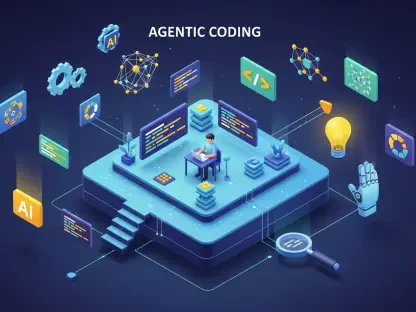
Emerging technologies like agentic AI further amplify this potential disruption, promising to automate complex decision-making within development workflows. Combined with consumer demand for rapid feature updates and advancements in AI infrastructure, these innovations could drive exponential growth in the sector. Minitap’s tools, such as minitap cloud, which can spin up thousands of device configurations instantly, position the company at the forefront of this wave.
However, market disruptors remain a wildcard. New entrants or unexpected tech breakthroughs could challenge even the most promising players. Staying ahead will require continuous adaptation and a keen eye on global tech trends. Minitap’s early traction and investor support suggest a strong foundation, but the road ahead will test its ability to innovate relentlessly in an ever-evolving landscape.
Accelerating Tomorrow: Minitap’s Role in Redefining Mobile Development
Reflecting on this journey, Minitap’s $4.1 million funding marked a turning point, igniting efforts to dismantle long-standing inefficiencies in mobile app development. The infusion of capital, coupled with the founders’ proven prowess, fueled the creation of an AI-driven platform that slashed development times dramatically, setting a new benchmark for speed.
As discussions unfolded, the transformative power of Minitap’s tools became evident, offering a tenfold acceleration and enabling faster experimentation cycles for consumer apps. For stakeholders, the path forward involved embracing AI-mobile integration, investing in platforms that prioritized efficiency, and fostering collaborations with innovators like Minitap to stay competitive. The industry looked toward a horizon where such partnerships could unlock untapped potential, ensuring mobile development kept pace with the digital age’s relentless demands.