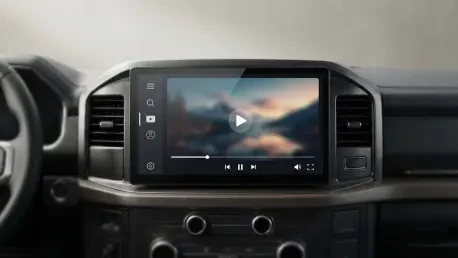

The tension between automotive functionality and road safety remains a central theme as new software enables video playback on screens originally meant for navigation. The intersection of automotive technology and mobile entertainment has long been a point of contention for tech enthusiasts and safety advocates alike. While modern infotainment systems have revolutionized how drivers interact with their smartphones, certain high-demand features—most notably native video streaming—have remained officially unavailable on platforms like Apple CarPlay. This shift is now being challenged by the release of YouDash, also known as YouTube Car, an open-source project designed to bridge the functional gap between mobile video content and the vehicle dashboard. This application represents a significant milestone for users who have spent years navigating the limitations of official smartphone projection systems. By offering a dedicated interface, the project aims to transform the stationary driving experience into a more robust multimedia hub for vehicle owners.
The User Experience: Community-Driven Interface Features
YouDash differentiates itself by providing a user experience that mimics a desktop or browser-based version of YouTube rather than a mirrored mobile screen. This distinction is vital because standard mirroring often results in awkward aspect ratios and truncated controls that are difficult to manage on a dashboard. The application is designed to be highly adaptable, scaling its resolution and layout to fit various infotainment screen sizes and aspect ratios across different vehicle makes. This responsiveness ensures that whether a driver is using a wide panoramic display or a more traditional square screen, the video and navigation elements remain clear and accessible. Furthermore, the inclusion of an ad-free viewing experience addresses a major pain point for users, allowing for uninterrupted content consumption during rest stops or charging sessions. The interface layout prioritizes visibility and ease of use, ensuring that every element is within reach for the user.
The software utilizes a sophisticated split-screen interface that allows users to view a video on one side while browsing playlists or search results on the other. This multitasking capability mirrors the functionality found on high-end tablets and desktop computers, bringing a level of sophistication previously unseen in unofficial CarPlay extensions. It even incorporates a custom on-screen keyboard, significantly reducing the need for the driver to interact directly with their iPhone. By centralizing all controls within the vehicle’s head unit, YouDash minimizes the physical handling of mobile devices, which is a frequent source of both clutter and distraction. This transition toward a standalone tool signifies a maturation of community-developed software, where the focus has shifted from basic functionality to a polished, automotive-grade user experience. The ability to manage account settings and subscriptions directly through the car’s screen further bridges the gap between the mobile app and the vehicle itself.
Compatibility Challenges: Technical and Software Barriers
Despite its innovative features, YouDash faces significant hurdles regarding accessibility and ongoing software compatibility. The application is highly sensitive to specific iOS versions, creating a volatile environment for users who prefer to keep their devices updated with the latest security patches. For instance, while the software functions correctly on iOS 27.0.1, it has reportedly been rendered non-functional by the release of iOS 27.3. This highlights Apple’s consistent habit of patching the specific vulnerabilities or loopholes that allow unofficial video applications to operate within the CarPlay ecosystem. Each minor update from the manufacturer carries the risk of breaking third-party integrations, forcing developers into a constant cycle of reverse engineering and technical updates. This cat-and-mouse game suggests that users must choose between the latest system features and the continued functionality of their custom video tools. The fragility of this setup remains a primary concern for those seeking a reliable solution.
Furthermore, the installation process remains a major barrier to entry, as the application is not available on the official App Store. Unlike standard apps that can be downloaded with a single tap, prospective users must possess a Mac and a registered developer account to compile and install the project via GitHub. This requirement necessitates a high level of technical proficiency and access to specific hardware, effectively keeping the software out of reach for the average consumer. Side-loading applications through development tools like Xcode involves navigating complex certificates and permissions that can be daunting for those outside the programming community. Consequently, while YouDash is a milestone for enthusiasts, it remains a niche tool that requires significant effort to maintain. The lack of a simplified installation method means that the user base will likely remain limited to those willing to invest the time and resources into managing a manual setup. This complexity ensures the software stays under the radar of the general public.
Safety Considerations: Navigating the Distraction Dilemma
A central theme in the discourse surrounding YouDash is the conflict between expanded functionality and road safety. While the developer emphasizes that the app is intended for use only while the vehicle is stationary, the software currently lacks a hard-coded lockout mechanism. This means the video feed remains functional while the car is in motion, presenting a substantial risk of driver distraction. Without the safeguards typically required for factory-installed entertainment systems—which often disable video playback the moment the parking brake is released—the burden of safety falls entirely on the individual user. This absence of automated restrictions is a point of concern for safety organizations, as even a brief glance at a video screen while driving can lead to catastrophic consequences. The potential for misuse is high, especially in an era where digital consumption is increasingly pervasive. Balancing the desire for modern features with the absolute necessity of driver focus remains a difficult challenge for independent creators and drivers.
This inherent risk explains why tech giants like Apple and Google have been hesitant to provide native YouTube support for over a decade. Their conservative approach is rooted in the legal and ethical implications of providing a primary source of distraction within the driver’s direct line of sight. The emergence of community-driven tools like YouDash puts immense pressure on these manufacturers to find a middle ground between user entertainment and the strict legal requirements of the road. While consumers demand more flexibility, manufacturers must prioritize safety to avoid liability and ensure the well-being of their users. This tension has led to a stagnation in official video features, even as vehicle screens have grown larger and more capable. The industry continues to debate whether the responsibility of safe operation lies with the software provider or the driver. Until a consensus is reached, official platforms are likely to remain restricted, leaving a void that unofficial projects will continue to fill with varying degrees of success.
The Industry Response: Official Tech Giant Support
The release of YouDash underscores a persistent consumer demand for video integration, prompting different responses from the industry’s leading players. Google has taken a proactive stance by announcing that it will expand Android Auto categories to include web browsers and video platforms. Its strategy involves the implementation of mandatory safety features, such as an “audio-only” mode that automatically replaces the video feed once the vehicle begins to move. This approach acknowledges the user’s desire for content while adhering to strict safety protocols that prevent visual distraction. Current projections suggest that official YouTube support for Android Auto will enter beta testing by the end of the current year, with a full rollout expected by the start of next year. By providing a sanctioned path for video playback, Google aims to offer a safer alternative to the unofficial workarounds that currently dominate the market. This move could potentially set a new standard for how automotive software manages high-engagement media content safely.
Conversely, Apple remained conservative and tight-lipped throughout this period, maintaining strict control over the visual content allowed on the CarPlay dashboard. The company prioritized its “walled garden” philosophy, ensuring that ecosystem integrity and safety were never compromised by third-party video applications. While there was significant speculation that upcoming iOS updates would introduce more robust features to compete with Google, the transition was handled with extreme caution. For users looking to navigate this landscape, the most effective next step involved monitoring official software release notes for any shifts in policy regarding video playback. Maintaining a registered developer account became a practical necessity for those who wished to continue using tools like YouDash as a temporary solution. Ultimately, the industry moved toward a model where entertainment was strictly regulated by vehicle speed and connectivity status. This shift ensured that while the technology for in-car video was fully realized, it was never allowed to come at the expense of public safety.